

REVIEW · GOTHENBURG
Gothenburg: Haga Old Town Walking Tour
Haga in Gothenburg feels like a small time machine. This guided walk takes you through one of the city’s oldest areas, where wooden houses and 19th century stories help you understand how Gothenburg became the place it is today. You’ll also get practical local recommendations, plus the kind of conversations you do not get from a museum label.
Two things I like a lot are the focus on Haga Nygata street scenes and the way the guide turns architecture into human stories. Expect a professional local guide who can explain what you are looking at and why it mattered, then connect it to daily life in Sweden.
One consideration: the route can include a steep hillside climb up to Skansen Kronan, so plan for uneven ground and stairs if that is a challenge for you.
In This Review
- Key highlights you will feel on the ground
- First steps at Haga Church, where the walk really begins
- Haga Nygata street scenes, the brick and wood look you came for
- Landshövdingehus homes: why the details tell the story
- From 19th century slum reputation to modern hip Gothenburg
- Insider stories and the Swedish life talk
- Skansen Kronan: the view payoff, plus the climb reality
- How long is enough, and why the pacing works
- What you get after the tour: food and wandering with direction
- Price of about $55 per person, and how to judge the value
- Who should book this Haga Old Town walking tour
- Should you book the Gothenburg Haga Old Town Walking Tour?
- FAQ
- How long is the Gothenburg Haga Old Town Walking Tour?
- Where is the meeting point for the tour?
- Is the tour guided in English?
- Is the tour wheelchair accessible?
- What is included in the price?
- Is gratuity included?
- Can I cancel and get a full refund?
- Can I reserve now and pay later?
Key highlights you will feel on the ground
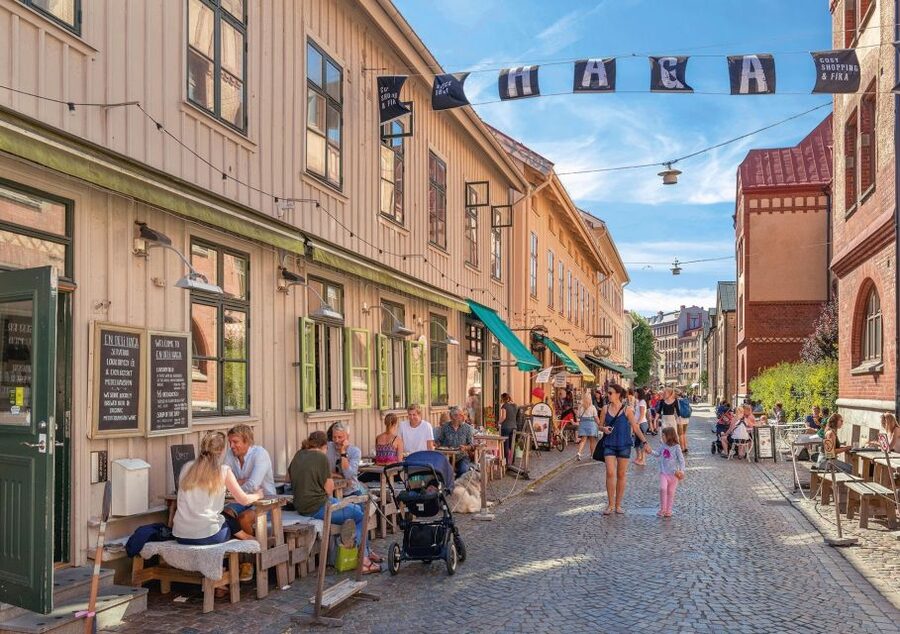
Haga Nygata street walking with preserved wooden houses and classic Gothic-era textures of brick and timber
Landshövdingehus homes, where one floor is brick and the rest is wood
Strong storytelling that connects the neighborhood past to everyday Sweden today
Small-group energy, with many tours described as 1-1 or tiny groups
A view payoff from Skansen Kronan, paired with a climb you should not ignore
Cafe and shop stop ideas after the tour, shaped around what you like
Still shortlisting? These are other Swedish tours we sat down and reviewed.
- Gothenburg: Archipelago cruise with guide★ 4.3 · 1,002 reviews
- Gothenburg: City Canal Sightseeing Cruise★ 4.7 · 470 reviews
- Gothenburg: Go City All-Inclusive Pass with 20+ Attractions★ 3.8 · 222 reviews
- Gothenburg: City Sightseeing Hop-On Hop-Off Bus Tour★ 3.8 · 206 reviews
First steps at Haga Church, where the walk really begins

You start by meeting your guide right outside the main entrance to Haga Church. That is a good setup for this kind of tour because it gives you a clear, easy meeting point in the middle of the action, and the walk starts in the thick of the neighborhood rather than a far-away pickup.
Right away, you are not just wandering. Your guide frames what you are seeing so the streets start making sense. You will know what to look for in the buildings, and you will understand why certain corners and facades got attention in the first place.
Haga Nygata street scenes, the brick and wood look you came for
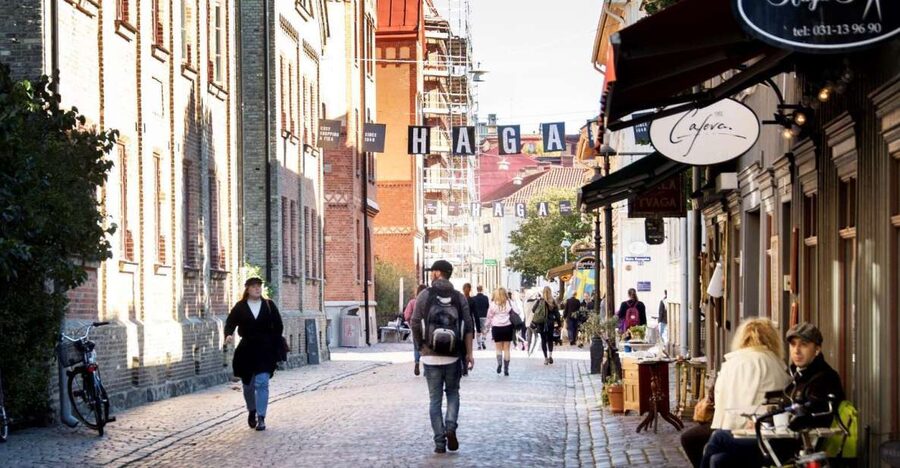
The heart of the experience is walking Haga Nygata, the pedestrian street where the neighborhood’s older character is still readable. The standout feature is the classic Gothenburg style homes called landshövdingehus, where one floor is brick and the upper parts are in wood.
On your walk, those details matter because they change how the area feels. Brick reads as solid and official, wood reads as close and human, and together they create that signature old-town texture that looks right in any weather. When you know what you are looking at, you end up seeing patterns instead of random pretty buildings.
It also helps that the tour time is short enough to stay focused. A 1.5-hour to 2-hour window keeps you moving through the key sights without turning it into a slow slog. You get to look, listen, ask questions, and still have energy left for Haga’s cafes and shops afterward.
Landshövdingehus homes: why the details tell the story

It is easy to take wooden houses for granted, especially in a place like Scandinavia where preservation is part of civic pride. But here, the architecture links to the neighborhood’s history and social changes.
As you move along, your guide points out why certain buildings are significant and how they fit together as a neighborhood. Even if you only catch a few details at each stop, the cumulative effect is strong. By the end, you are not just impressed, you are oriented.
One smart benefit of a guided walk like this is that it saves you guesswork. Instead of trying to figure out which buildings are important and why, you get the context first, then the photos look better.
From 19th century slum reputation to modern hip Gothenburg
Haga has a sharp contrast story. In the 19th century, the area had a slum reputation and a seedy edge, and now it is one of Gothenburg’s trend-forward neighborhoods with plenty of cafes, delicatessens, and independent shops.
That contrast is not trivia. It changes how you walk. When you understand the neighborhood’s pivot, the narrow streets and old facades start to feel like evidence of transformation, not just decoration.
This is one of those tours where the best part is the cause-and-effect. You start to see how cities change, how buildings get reused, and how neighborhoods reinvent their identity over time. You end the walk with a better feel for Gothenburg beyond the scenic postcards.
Over on the west coast, these are the ones we rated


Insider stories and the Swedish life talk
A lot of tours give you history. This one tends to give you history plus the human layer, and that is what makes it stick.
Several guides bring more than facts to the conversation. People describe guides like Kalina, Sarah, Luka, David, Helena, Karen, and Elena sharing stories with personality and using pictures to support details. You also see a repeated theme: questions are welcome, and the guide often connects the neighborhood past to how people live now.
One strong example from the experience is the kind of discussion that can happen if you want it. In at least one tour, the guide talked about Swedish social systems such as education at no cost up to university level, plus maternity and paternity leave. You do not need to get deep into policy to enjoy this part, but it adds texture when you are curious how a country works beyond its monuments.
If you are the type who asks lots of questions, you will likely enjoy this format. The best feedback points are not just about what people saw, but about the conversations and personalization, especially on small group or 1-1 tours.
Skansen Kronan: the view payoff, plus the climb reality
A recurring detail in the experience is a visit that includes Skansen Kronan, the former fort on a hillside. That matters because you get a different Gothenburg perspective, with the neighborhood and city stretching out in view.
The tradeoff is effort. One reviewer noted the walk includes a very steep hike up to the fort and that it can be challenging for anyone with mobility issues. Even if the tour is listed as wheelchair accessible, you should treat the hillside climb as a key factor to consider, and ask ahead if you need a route adjustment.
If you can handle stairs and uneven ground, this is the moment that makes the tour feel complete. It turns your learning into something you can see. Even a short time at the top can help you connect the buildings below to the geography of Gothenburg.
How long is enough, and why the pacing works
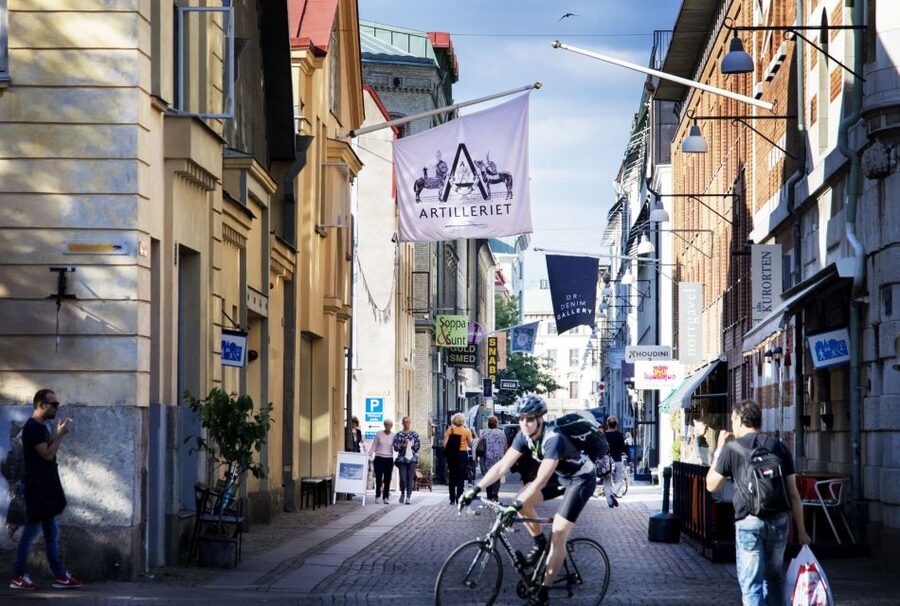
The duration is listed in different places for the same experience, but the walk experience you are buying is short, focused, and designed to fit into a day of exploring. You can expect a walk that typically covers core Haga streets and key viewpoints within about 1.5 hours to 2 hours, depending on timing and the group.
Short tours can be underrated, because people assume they will feel rushed. In this case, the feedback suggests the opposite. Many people describe a comfortable pace, time to ask questions, and guides who stay flexible if the group is small.
That matters for two kinds of visitors. If you only have a short stay, you get a fast orientation. If you want a deeper story, small-group pacing gives you room to slow down without taking over your whole day.
What you get after the tour: food and wandering with direction
Haga is fun to wander on your own, but a guided start makes it smarter. Your guide will often share ideas for what to eat and where to spend the rest of your afternoon.
People frequently highlight that the guide gave very usable restaurant and cafe recommendations, including places for coffee and cake. That is not just helpful, it is value. Sweden is not a place where you want to guess blindly on every meal if you only have a limited time window.
You will also likely leave with a list of what to return for later, since a good guide points out which streets feel best at different times of day and which areas are worth a second pass.
If you like strolling and browsing, Haga’s blend of cafes and independent shops becomes part of your memory of the day. A tour like this helps you turn those blocks into a plan, not random wandering.
Price of about $55 per person, and how to judge the value
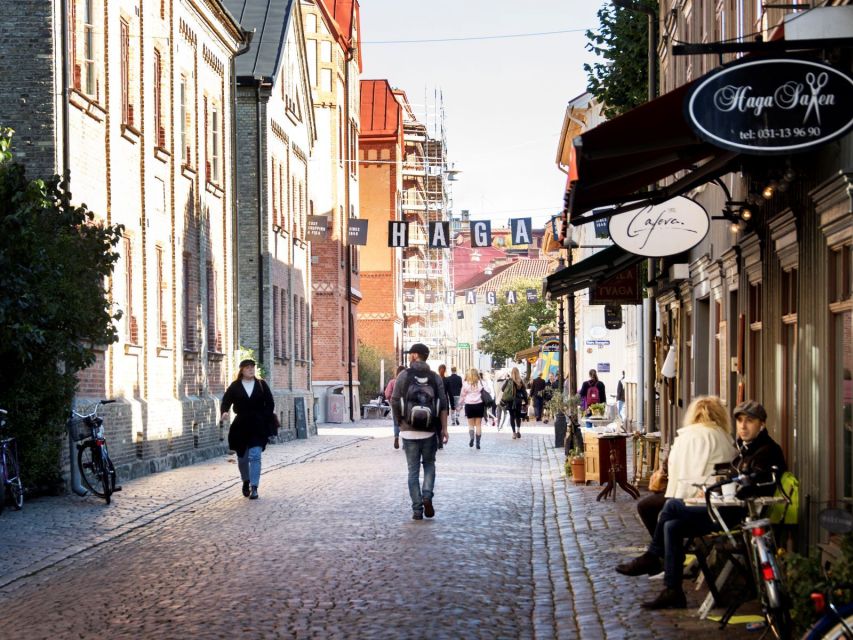
At about $55 per person, the price is not a budget impulse buy, but it also is not the kind of cost that should scare you away if you want real context.
Here is how I judge value for a guided walking tour like this:
You are paying for time with a local who can explain what you are seeing and answer your questions on the spot.
You are paying for efficiency, since Haga can be pretty but confusing if you do not know what to look for.
You are paying for the added layers, history plus everyday Sweden talk and practical recommendations.
The best proof of value here is the repeated theme of small groups. Many bookings end up being 1-1 or very small, and guides sometimes spend extra time to make sure you get what you came for. That is when a guided tour starts feeling like a personal consultation rather than a scripted march.
If you are traveling solo or as a couple and you want someone to help you connect the dots fast, I think the $55 price makes sense. If you already know Swedish history well and you just want photos, you could wander Haga without a guide. But for most first-timers, the guide is the difference between pretty and meaningful.
Who should book this Haga Old Town walking tour
This tour is a strong fit if you:
Want an introduction to Gothenburg through its oldest neighborhood
Like architecture explanations, especially wood-and-brick landshövdingehus details
Enjoy storytelling with local culture and everyday life conversations
- Want a structured start in an area that is easy to wander but harder to interpret
It is also a good choice if you enjoy food stops and want a guide to point you toward cafes or delicatessens that match your tastes.
If mobility and steep climbs are your biggest concern, do not automatically skip it. Just treat the hillside fort visit as a real variable and plan accordingly, possibly by asking about route options when you book.
Should you book the Gothenburg Haga Old Town Walking Tour?
Yes, if you want your first Gothenburg day to feel organized, personal, and story-driven. I would book it for the Haga Nygata architecture, the transformation story from the 1800s to today, and the chance to ask questions while standing in the actual streets. If Skansen Kronan is the only part that makes you hesitate, factor that into your comfort level and you should be able to decide with confidence.
FAQ
How long is the Gothenburg Haga Old Town Walking Tour?
The tour duration is listed as about 1.5 hours, and the experience overview describes a walking tour of around 2 hours.
Where is the meeting point for the tour?
You meet your guide right outside the main entrance to The Haga Church.
Is the tour guided in English?
Yes. The live tour guide speaks English.
Is the tour wheelchair accessible?
The activity is listed as wheelchair accessible.
What is included in the price?
It includes a 2-hour walking tour and a professional local guide.
Is gratuity included?
Gratuity is not included.
Can I cancel and get a full refund?
Yes. You can cancel up to 24 hours in advance for a full refund.
Can I reserve now and pay later?
Yes. The tour offers a reserve now & pay later option.
Reviewed Across Sweden





The West Coast, Reviewed
Other Swedish trips from the review pile
- Explore the Instaworthy Spots of Gothenburg with a Local
★ 5.0 · 3 reviews - Gothenburg: Private Walking Tour with a Guide
★ 3.6 · 3 reviews - Entry Ticket To Gothenburg Museum of art with pickup
★ 4.4 · 4 reviews - Guided Brewery Tour on Bicycle
★ 5.0 · 5 reviews - Gothenburg: Express Walk with a Local in 60 minutes
★ 4.8 · 6 reviews - Discover Gothenburg’s most Photogenic Spots with a Local
★ 4.5 · 7 reviews
Gothenburg & the West Coast, compared.
 ★ 4.3Gothenburg: Archipelago cruise with guideFrom $471,002 reviews
 ★ 4.7Gothenburg: City Canal Sightseeing CruiseFrom $30470 reviews
 ★ 3.8Gothenburg: Go City All-Inclusive Pass with 20+ AttractionsFrom $47222 reviews
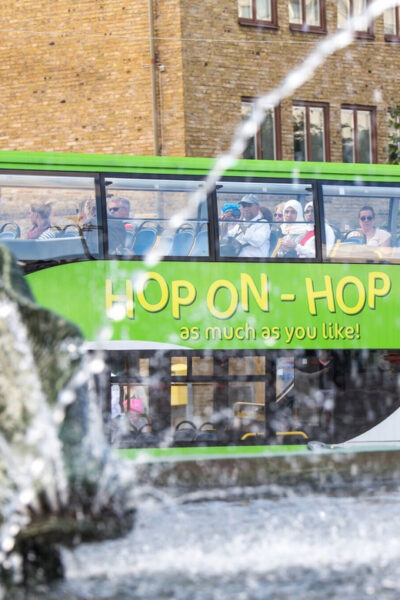 ★ 3.8Gothenburg: City Sightseeing Hop-On Hop-Off Bus TourFrom $38206 reviews
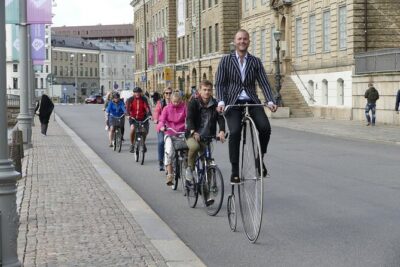 ★ 5.0Bike Tour Gothenburg, Guided Bicycle ToursFrom $6888 reviews
 ★ 4.0Archipelago Tour with guide GothenburgFrom $5173 reviews
 ★ 4.6Gothenburg: Paddan Sightseeing Cruise on the River SäveånFrom $3960 reviews
 ★ 3.5GOT Gothenborg Landvetter Airport: Vinga Lounge AccessFrom $3552 reviews
Browse the lists this tour appears in