
REVIEW · SWEDISH NATURE
2-Day Small-Group Basic Skills Survival Course in Södermanland
If you want survival skills that feel real, this two-day course gives you exactly that in the woods. It is run as a small-group survival camp based around Stockholm, with private transport from True Nature Sweden AB and instruction that stays outdoors. You start at 9:00 am, then spend the rest of the experience building practical competence, not just talking about it.
I love two things in particular: the hands-on coaching and the way you learn survival basics as a connected system. You practice fire and shelter building, then immediately connect it to what you eat, where you find water, and how you stay oriented when the trees all start looking the same.
One consideration, just to be honest: it is an outdoors-in-the-wild experience, so you should expect cold, damp conditions and a night that is more about learning than comfort. Two days is enough to gain real skills, but it is not enough to turn you into a full-time outdoors expert.
In This Review
- Key points to know before you go
- Södermanland survival training, run like a real outdoor school
- The 9:00 start in Stockholm, then you’re off to the woods
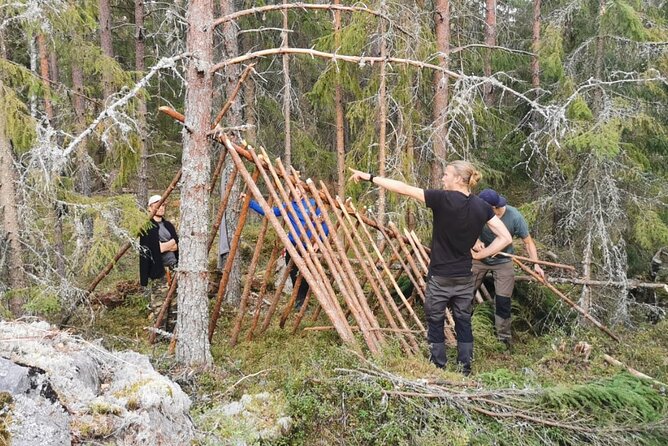
- Fire making and shelter building, taught as practical survival tools
- Fire: more than sparks
- Shelter: staying alive means staying functional
- Foraging and cooking: turning food reality into a plan
- A realistic mindset for food
- Water collection: how to find it and make it usable
- Plants and safety basics: edible, toxic, and medicinal categories
- Navigation and orientation with compass and map reading
- Wildlife tracking and dangers: reading signs, not chasing stories
- Trapping and fishing basics, framed for beginners
- Encampment tricks and group leadership that actually help
- A night outdoors, with real time to practice
- What’s included, and why the value feels fair
- Who this course is for, and who should look elsewhere
- If you book, plan smart: simple prep that makes the course better
- Should you book the 2-Day Basic Skills Survival Course in Södermanland?
- FAQ
- How long is the survival course?
- Where does the course start and when?
- What is included in the price?
- What skills will I learn during the two days?
- Is the group large?
- Do I need camping gear or a backpack?
- What if the minimum number of participants is not met?
- What is the cancellation policy?
Key points to know before you go
- Fire, shelter, food, and water as the core survival loop: you learn the basics and how they support each other in real conditions.
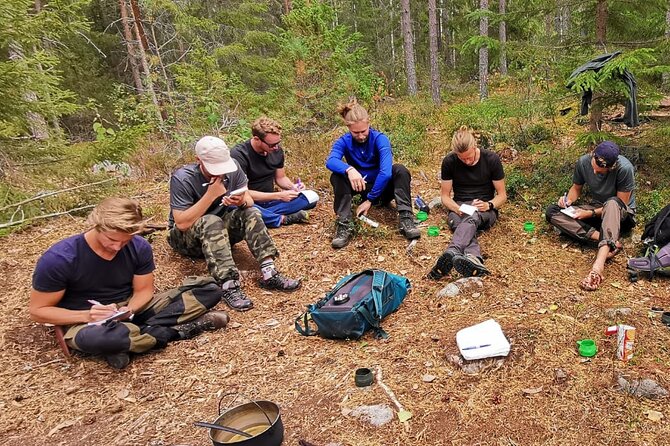
- William’s step-by-step teaching style: clear guidance plus time to practice, which matters when you are nervous or new.
- Plant knowledge that focuses on edible, toxic, and medicinal basics: you learn how to approach plant identification with care.
- Navigation practice that goes beyond guessing: you get compass and map-reading skills to help you find direction fast.
- Wildlife tracking, plus practical thoughts on risk: you learn to read signs and understand what danger looks like.
- Small group size, capped at 8: it keeps the instruction personal and the atmosphere friendly.
Boots on, further into the Swedish outdoors
- Stockholm: Sunset Hike in Tyresta National Park with Meal★ 4.8 · 126 reviews
- Stockholm: Sunset Hike in Tyresta National Park with Meal★ 5.0 · 79 reviews
- Stockholm: Nature Reserve Hiking Tour with Campfire Lunch★ 5.0 · 57 reviews
- 1-Day Small-Group Stockholm Nature Hiking★ 4.5 · 49 reviews
Södermanland survival training, run like a real outdoor school
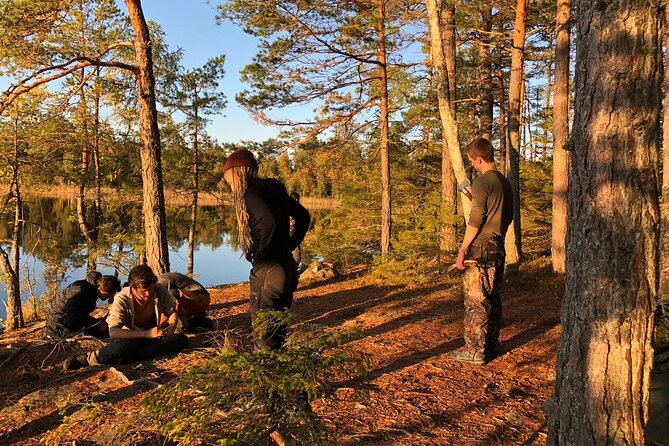
This is a 2-day basic skills survival course set up to take you from uncertainty to workable confidence. The emphasis is on fundamentals: fire, shelter, food, water, plus plant basics, wildlife tracking, and navigation. The idea is simple. When something goes wrong, you need a fast plan you can execute with your hands, not just a mental checklist.
The setting matters. You are not doing survival in a classroom with a few props. You are learning inside the wilderness area during the course, so you feel the pacing and the decision-making that survival demands. And because the group is capped at 8, you are not shouting questions into a crowd. You can get help while you are actually building, practicing, and troubleshooting.
Also, it is not just “nature class.” The course includes things like trapping and fishing basics and talks about dangers around wildlife. That blend is useful because it helps you understand survival as a set of problems you solve, one at a time, instead of one big dramatic scenario.
The 9:00 start in Stockholm, then you’re off to the woods
You meet at True Nature Sweden AB at Tideliusgatan 62, 118 69 Stockholm, with a 9:00 am start. From there, you use private transportation to reach the training area. That small detail is a big deal if you arrive as a normal city person, because it removes the “how do I get to the training zone” friction.
This is also listed as a mobile ticket, so you will want your booking details ready on your phone. Confirmation comes at the time of booking, which makes it easier to show up without last-minute scrambling.
What to do on your side before the start? Plan like you will be outdoors much of the time. Wear layers that you can move in, and bring footwear that handles mud and uneven ground. The course includes all needed gears, but your personal comfort still matters for practical practice, especially for navigation, walking, and staying warm while building shelter materials.
Fire making and shelter building, taught as practical survival tools
Fire and shelter are where most people get stuck when they only think about survival as theory. This course treats them as skills you practice until they become something you can do under stress.
Fire: more than sparks
You learn how to build a fire and what to use. The key benefit is that you do not just watch. You get the chance to practice methods and understand why some approaches fail in real conditions. In Scandinavian woods, fire is never just about having a lighter. It is about finding the right kind of fuel, building in a way that supports airflow, and keeping the process manageable when you are tired.
Two-day Swedish trips we reviewed
Shelter: staying alive means staying functional
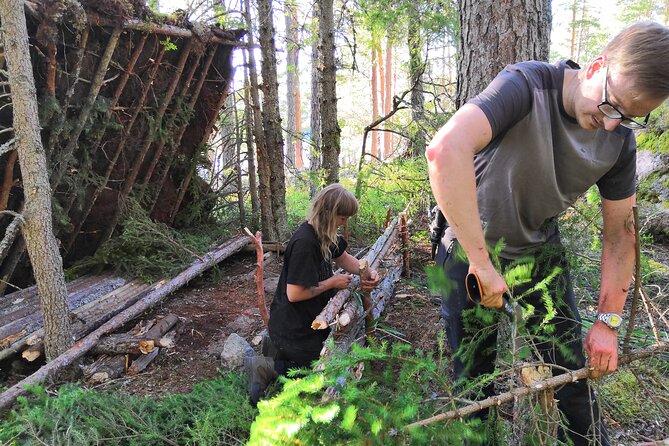
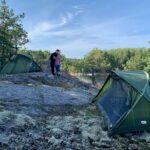
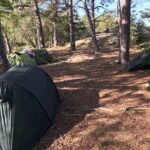
Shelter training focuses on building the kind of cover that helps you survive exposure. You learn with what to build and how to set up an encampment that makes your life easier. People come away remembering the moment they built something that actually gave them protection, because it turns survival from an idea into a physical result you can point to.
In a good survival course, you learn two things at once: how to build the shelter and how to think about what the shelter should accomplish. In cold or wet weather, that can mean warmth, wind block, and dryness. The course frames shelter as part of the survival loop, not a separate hobby.
Foraging and cooking: turning food reality into a plan

You will learn how to find food, what to eat, and how to prepare dishes. That is the part that surprises many people, because survival food is often presented like a scavenger hunt. Here, it is taught as practical decision-making.
You also get meals included: breakfast, lunch, and dinner. That matters because it lets you spend your energy on skill practice instead of worrying about food logistics. Many people value the cooking side because it gives context to the foraging and plant lessons. When you taste what you prepared on a fire, the learning sticks.
A realistic mindset for food
The course focuses on priorities. In survival, food is important, but it sits in a chain with shelter and water. You learn to prioritize basic needs and respond fast, which is exactly what you want if your brain is spinning during a real emergency.
If you are a beginner, this approach is reassuring. You are not expected to instantly become a wild-food expert. You learn the basics and how to approach food with caution and structure.
Water collection: how to find it and make it usable
Water training covers where to find it and how to collect it. In a survival situation, water can become urgent fast, and the course treats it like a priority skill for a reason. You get practical instruction focused on collection, so you know what to look for and how to handle the process.
Even if you never end up needing it, this skill is useful on regular outdoor trips. It changes the way you read a landscape and how you judge where water might be coming from. Instead of seeing trees and streams as scenery, you start seeing them as resources with behaviors and patterns.
Plants and safety basics: edible, toxic, and medicinal categories
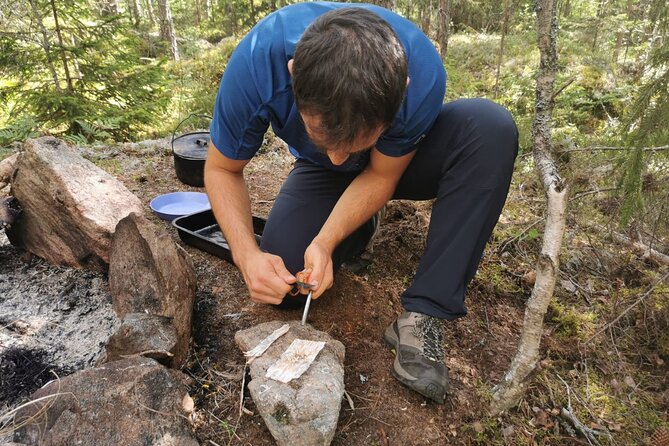
One of the most unique parts is the plant introduction. You learn how to recognize and sort plants into broad categories: edible, toxic, or medicinal. That framing is valuable because it gives you a safer mental model.
Just remember what a short course can do. It can teach you basic approaches and caution. It is not a replacement for advanced botany or medical training. Still, even basic awareness helps you avoid the most common mistakes, especially when your survival mindset pushes you toward risky shortcuts.
In the real outdoors, you can be hungry, tired, and curious. This course nudges you toward a slower, careful approach to plant identification so you do not turn curiosity into danger.
Navigation and orientation with compass and map reading
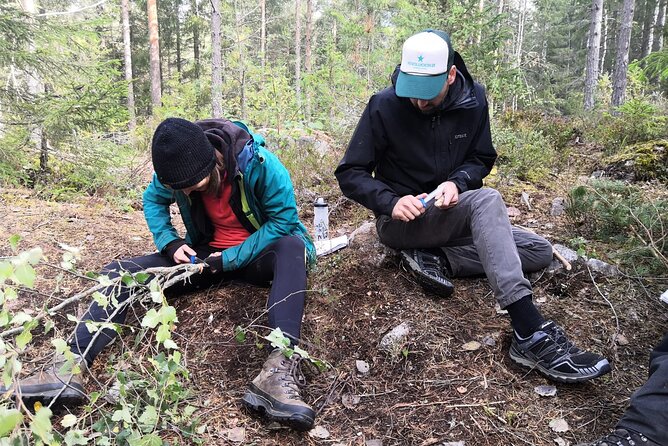
Navigation is included in the training. You learn orientation and map reading, with emphasis on practical skills like using a compass. When you spend time in the forest, you realize how quickly your sense of direction can dissolve.
So the best value here is the transfer from “I can read a map on paper” to “I can use a map and compass in the field.” That shift matters. You learn what to look for and how to take action when you need to find direction fast.
If you’re the type who always means to learn navigation and keeps postponing it, this course is a strong push. It compresses months of practice into two days because you practice alongside the instructor while the forest conditions are fresh and real.
Wildlife tracking and dangers: reading signs, not chasing stories
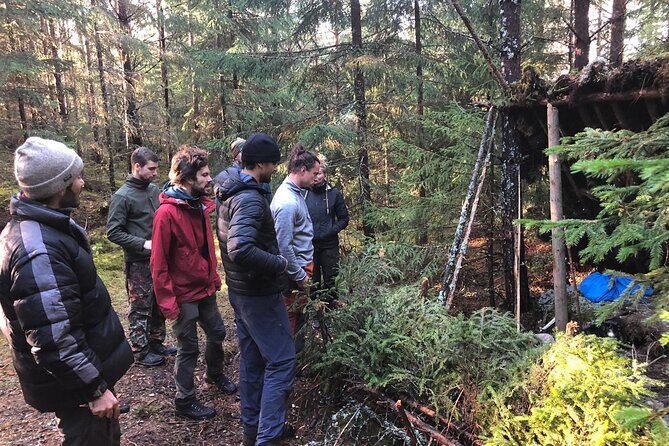
Wildlife training in this course is built around tracking and the realities of danger. You learn how to track wildlife by reading signs, then talk through dangers and what to do when a survival situation arises.
This is one of the parts I like most for its practical tone. It avoids turning wildlife into fantasy. Instead, you focus on observation. You learn that nature leaves cues, and your job is to interpret those cues safely.
And because you are training in a group, it reinforces good habits: stay aware, communicate, and keep moving toward solving problems instead of panicking. Survival leadership comes into play here too, because how you act as a team affects outcomes as much as any single tool.
Trapping and fishing basics, framed for beginners
You do receive training in trapping and fishing, but the focus stays basic and survival-focused. That matters because many people fear these topics because they think they need specialized equipment and advanced outdoors experience.
In this course, the value is learning the basic principles and getting a feel for what you can try, rather than expecting instant success. It also connects to food preparation. You learn how the whole cycle works, from finding or setting up to preparing what you can eat.
Even if you never plan to trap or fish again, this helps you think like a problem solver. Survival is less about magic and more about method.
Encampment tricks and group leadership that actually help
Survival is not just solo heroics. The course includes survival in a group and leadership. You learn simple tricks to make life easier in encampment situations, and you practice how a group should work when the pressure rises.
This is where the small-group size becomes more than a nice bonus. With only up to 8 participants, you can practice roles and communication. You can ask questions while building shelter, and you can see how group choices impact energy levels, morale, and safety.
You should also expect a friendly group vibe. The course attracts people who are new to this kind of learning, including people who come with a parent or a friend. If you are worried it will feel like a macho endurance contest, it is more practical and collaborative than that.
A night outdoors, with real time to practice
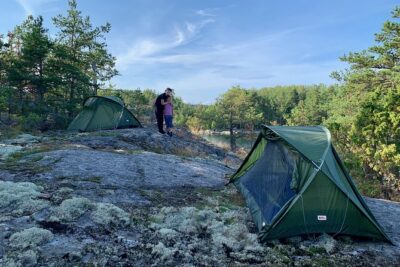
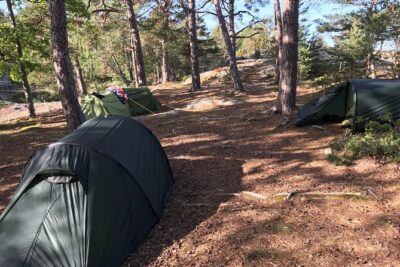
One consistent takeaway from the experience is the idea of sleeping in the forest as part of the training. You build shelter, you spend time at camp, and you experience what it is like to live in the conditions you just worked to prepare for.
That night is not about comfort. It is about learning what you did right, and what you would adjust next time. And because you are practicing core skills like fire and shelter, the night turns into the final exam you actually feel in your body.
What’s included, and why the value feels fair
The price is $480.71 per person for about two days. For some survival experiences, that cost can feel like you are paying for brand name. Here, the value comes from what is bundled.
You get:
- Meals: breakfast, lunch, dinner
- Private transportation
- All needed gears
- A professional instructor guiding both theory and practice
- A maximum group size of 8
When you price it this way, you are not just buying lessons. You are buying a complete outdoor training setup with food and equipment handled for you. That reduces hidden costs and makes it realistic for beginners.
There are optional rentals listed too: camping gear rental for 450 kr per person and backpack rental for 100 kr per person. If you already have decent kit, you might not need them. If you do not, the option keeps the course accessible.
If you are cost sensitive, compare what you would pay for a standalone instructor, a multi-meal plan, transport, and equipment. In that context, the fee looks more like a full program package.
Who this course is for, and who should look elsewhere
This course is a strong fit if you:
- Want basic survival skills in Sweden forest conditions
- Are a beginner and want structured practice
- Care about learning fire, shelter, food, water, and navigation as connected skills
- Prefer a small-group environment with hands-on teaching
It might not be the best fit if you want a comfort-first nature break. This is an outdoor skills program, and you will spend time doing practical work, building, walking, and living with the reality of weather.
Also, if you only want one or two topics, like just fire or just plants, the course might feel like a lot. The real value is the whole system of fundamentals.
If you book, plan smart: simple prep that makes the course better
Because gear is included, you can show up without trying to assemble a survival kit. Still, you will do better if you come prepared for the basics of outdoor comfort:
- Bring warm layers you can move in
- Wear sturdy, grippy shoes
- Think rain and cold, even if the forecast looks mild
- Bring a water-ready mindset (the course teaches water, but your body still needs hydration during practice)
If you are on the fence about clothing and comfort, it is worth investing in basics. The skills are valuable, but you also want to be able to practice them without being miserable.
Should you book the 2-Day Basic Skills Survival Course in Södermanland?
I think this is worth booking if you want real competence fast. The structure makes sense: you learn core survival fundamentals, then you practice them in the wilderness environment, with navigation and group leadership added so you can apply skills when things go off-script. The teaching style is step-by-step and patient, and the small group size makes it feel like a true class, not a demo.
Do book if you want confidence you can actually use. The experience is hands-on, focused on fire, shelter, food, water, plants, wildlife awareness, and orientation. It also includes meals and private transport, which helps the experience feel complete.
Skip it only if your idea of a good trip is comfort-first. This is a learning adventure where the outdoors sets the tempo. If you are ready for that, you will leave with practical skills and a new way of seeing the forest, one you can use on future trips, not just as trivia.
FAQ
How long is the survival course?
It runs for approximately 2 days.
Where does the course start and when?
The start is at True Nature Sweden AB, Tideliusgatan 62, 118 69 Stockholm, Sweden, with a 9:00 am start. The activity ends back at the meeting point.
What is included in the price?
Lunch, breakfast, and dinner are included, along with private transportation and all needed gears. The course also includes the instruction and activities described in the program topics.
What skills will I learn during the two days?
You will learn fire building, shelter building, finding and preparing food, where to find and collect water, plant basics (edible, toxic, medicinal), wildlife tracking and dangers, trapping and fishing, orientation with map reading, and encampment tricks, plus survival in a group with leadership.
Is the group large?
No. The course has a maximum of 8 travelers.
Do I need camping gear or a backpack?
All needed gears are included, but camping gear rental is offered as an optional extra for 450 kr per person, and backpack rental is optional for 100 kr per person.
What if the minimum number of participants is not met?
This activity has seasonal minimum participant requirements. If it is canceled because the minimum is not met, you will be offered a different date/experience or a full refund.
What is the cancellation policy?
Cancellation is free up to 24 hours in advance of the experience start time for a full refund. If you cancel less than 24 hours before the start time, the amount paid is not refunded.
Two Days Across Sweden
Reviewed Across Sweden




Trail Days And Wild Camps
Other Swedish trips from the review pile
- ROYAL Castle Skokloster and Viking Sigtuna (private tour)
★ 4.5 · 3 reviews - Stockholm Port to Stockholm Arlanda Airport (ARN) – Departure Private Transfer
★ 3.5 · 3 reviews - Stockholm Ghost Hunt: Self-Guided Tour and Puzzle Adventure
★ 4.5 · 3 reviews - Private Photography workshop in Stockholm
★ 5.0 · 3 reviews - Private blood, ghosts and folklore Old Town 2h Stockholm tour
★ 4.0 · 3 reviews - Ghosts of Stockholm: A Guided Tour of Horror and Dark Folklore
★ 4.5 · 3 reviews
Swedish Nature Hikes & Wild Camping, compared.
 ★ 5.0Morning hike in Abisko National ParkFrom $91239 reviews
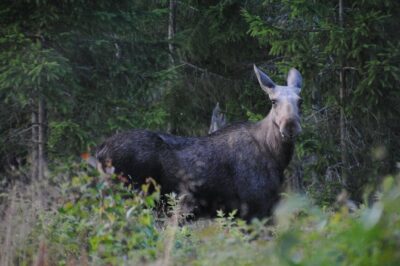 ★ 5.0Moose safari in the wild Sweden TivedenFrom $134224 reviews
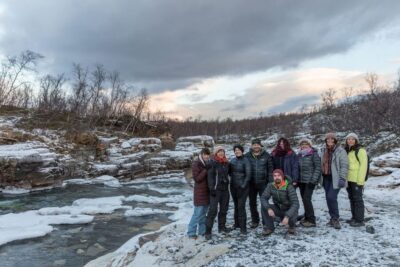 ★ 4.7Abisko National Park: Scenic Morning Hike with TransferFrom $88172 reviews
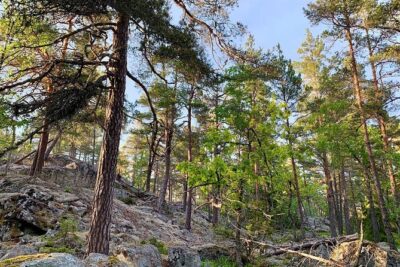 ★ 4.8Sunset Hike in Tyresta National Park with MealFrom $144126 reviews
★ 5.0Sunset Hike in Tyresta National Park with MealFrom $14979 reviews
★ 4.8Sunset Hike in Tyresta National Park with MealFrom $144126 reviews
★ 5.0Sunset Hike in Tyresta National Park with MealFrom $14979 reviews
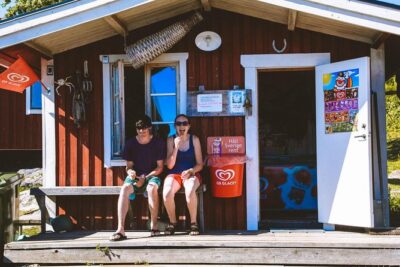 ★ 5.0Guided 5-Day Kayak & Wildcamp the Archipelago of SwedenFrom $1,62973 reviews
 ★ 5.0Nature Reserve Hiking Tour with Campfire LunchFrom $14257 reviews
 ★ 4.51-Day Small-Group Stockholm Nature HikingFrom $15349 reviews
Browse the lists this tour appears in