
REVIEW · GAMLA STAN
Private blood, ghosts and folklore Old Town 2h Stockholm tour
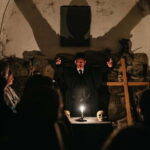
Stockholm can feel tidy in daylight, but this walk turns the lights down. You’ll follow a private guide through Old Town while hearing Swedish folklore tied to real, darker city moments. I particularly liked the way the stories are linked to specific places, and I loved the easy Q and A style, so I could ask what things actually meant. My one caution is that the tone is very story-driven, so if you want lots of widely known “major ghost sightings,” you might leave hungry for more.
In about 1 hour 30 minutes, you cover a tight loop that starts at Nobel Prize Museum and ends outside S:t Jacobs Kyrka. You also get practical pacing, the guide keeps you moving, and you do not spend your time hunting street corners. The price is steep at $188.16 per person, so it makes the most sense when your group really wants a private, guided format rather than a big public tour.
Key things I’d mark on your mental map
- Stortorget’s execution lore, including the idea of cursed blood and gallow body-part magic
- Protection myths for doors and newborns, including iron against vaesen
- Water-ghost danger at Logårdstrappan, featuring Näcken and bäckahästen
- Dark forest beings around Kungsträdgården, including huldran and the blood-sucking Myrling
- Church-door and baptism exorcism talk outside S:t Jacobs Kyrka
- Private pacing that lets you ask questions without slowing everyone else
In This Review
- A 90-minute ghost walk with real place-based stories
- Price and value: $188.16 per person for a private spooky circuit
- Where you start and where you end in Stockholm Old Town
- Stortorget: executions, cursed blood, and body-part folklore
- Prästgatan: a street once called Hell
- Old Town houses: iron protection, door magic, and the vaesen
- Logårdstrappan: Näcken, bäckahästen, Sjörå, and the lure into water
- Kungsträdgården: huldran, Skogsrået, Myrling, and blood-sucking creatures
- S:t Jacobs Kyrka: church doors, exorcism at baptism, and punishing enemies
- The guide factor: what private storytelling does better than group tours
- Who this tour fits best (and who might prefer something else)
- Practical planning tips so the tour lands well
- Should you book Private blood, ghosts and folklore Old Town 2h Stockholm tour?
- FAQ
- How long is the Private blood, ghosts and folklore Old Town tour?
- Is this tour private?
- Where do I meet for the tour?
- Where does the tour end?
- What is the price per person?
- Do I need to buy admission tickets during the stops?
- Do they use a mobile ticket?
- Where is the tour located in Stockholm?
- Is the tour near public transportation?
- Can I cancel for a full refund?
- Are service animals allowed?
A 90-minute ghost walk with real place-based stories
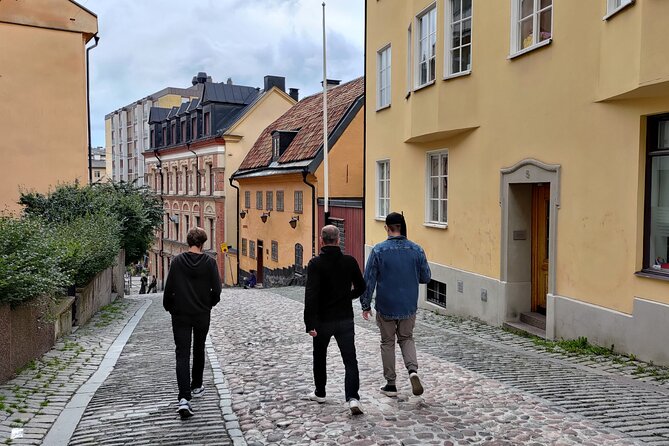
This tour is built for people who love spooky atmosphere, but also want a thread that makes it make sense. Instead of reading folklore in a guidebook and hoping it connects, you get a guide pointing you from one corner of Gamla Stan to the next and explaining why each spot matters. It has that “campfire stories, but with street names” feel, which is exactly the right style for this kind of subject.
The private format changes how the tour feels. You are not stuck with a fixed pace or a loud group conversation. If something sounds odd, you can ask right then, and the guide can steer the story back toward what you actually want to understand. For me, that is the difference between listening and learning.
One thing to consider before booking: the tour is short. So yes, you will hit several Old Town landmarks, but it is still a concentrated, story-forward experience. If your main goal is a long list of famous historical events with heavy documentary detail, you might prefer a longer history tour first and then add folklore storytelling on top.
Stockholm is a big menu. Here is what else we tried
- Stockholm: City Archipelago Sightseeing Cruise with Guide★ 4.3 · 10,798 reviews
- Stockholm: Skansen Open-Air Museum Admission Ticket★ 4.5 · 3,427 reviews
- Stockholm: Archipelago Boat Tour★ 4.4 · 3,110 reviews
- Stockholm: Highlights Boat Tour★ 4.3 · 2,542 reviews
Price and value: $188.16 per person for a private spooky circuit
At $188.16 per person, this is not a budget activity. It only makes financial sense if you value a private guide and you are splitting the cost with others in your group. Because it is private, you are paying for time, not for crowds. You also get a mobile ticket, and the tour is designed so the guide does the navigation while you focus on the walk and stories.
If you are traveling solo, it can feel expensive, but the upside is also clear. You get the guide’s attention and flexibility to ask questions. If you are the type who always wants to know why people believed what they believed, that personal attention can be worth real money.
Also, this tour tends to get booked ahead. On average, people reserve it about 14 days before. If your dates are fixed, booking earlier is smart, especially if you want a time that fits your Old Town plans.
Where you start and where you end in Stockholm Old Town
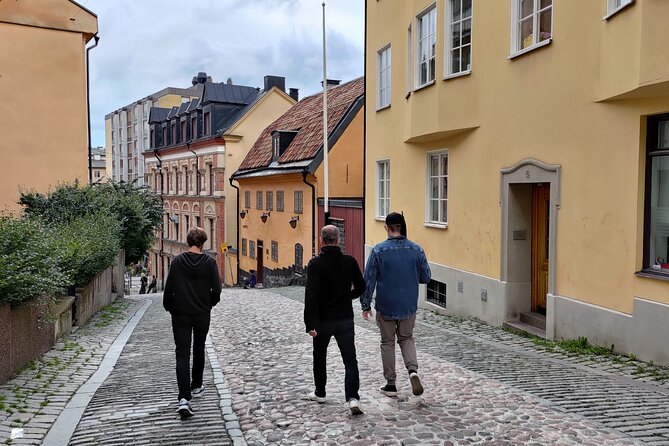
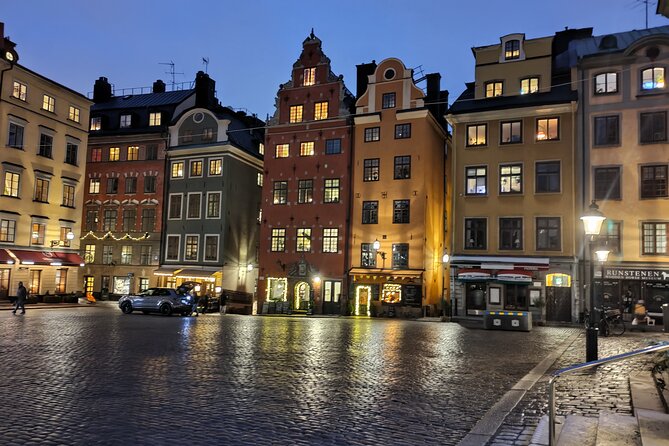
You meet at Nobel Prize Museum, at Stortorget 2 (a central starting point that makes it easy to orient yourself). From there, you head into Old Town on foot, moving through key landmarks tied to the darker threads of the city’s folklore.
The tour ends just outside Old Town on the north side near Kungsträdgården. You walk about 10 minutes back toward the start area, so it is not like you get dropped in a weird place. You finish outside S:t Jacobs Kyrka at Västra Trädgårdsgatan 2A, which is handy if you plan to keep wandering after the stories end.
The whole route is close to public transportation, and service animals are allowed. So even if you are not staying in the immediate Old Town core, you should still be able to make it work without turning your day into an early-morning logistics project.
Stortorget: executions, cursed blood, and body-part folklore
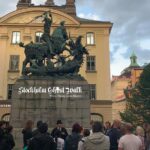
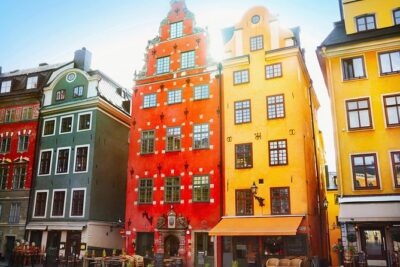
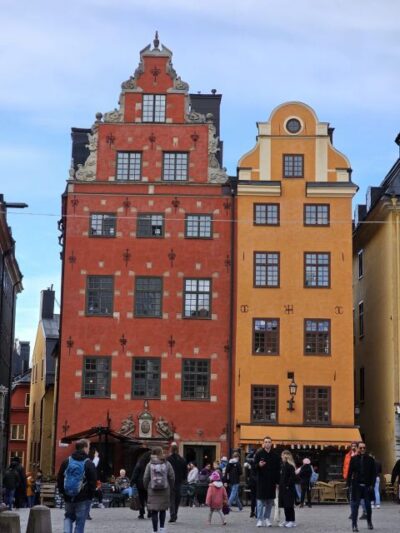
Stortorget is one of the most important squares in Stockholm, and here the tour starts by going straight to the subject of death and how folklore used it. You hear about executions tied to the Danish king Kristian, including the claim of around 90 souls executed during that darker period when Stockholm was under Danish control. That sets a grim tone fast, and it makes the later ghost stories feel grounded instead of random.
Then the focus shifts from recorded violence to how people imagined the dead could still do things. You are told folklore beliefs about the blood of the dead being used for curses. You also hear ideas about gallow parts being used in stories, almost like grim ingredients for magic. It is not just “spooky for fun,” it is about how communities tried to control fear with explanations.
One practical tip for this stop: take a beat and look around after the story lands. Stortorget feels open and bright in normal life, which is exactly why it is so unsettling with these tales attached. You get a quick lesson in how place changes meaning.
Prästgatan: a street once called Hell
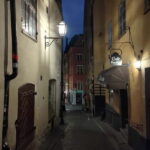
From the square, you move to Prästgatan, where the tour leans into the idea that place names can preserve fear. You walk the street while learning it was once named something like Hell. The point is not that the street literally trapped people underground. The point is how everyday geography got stamped with moral panic and religious dread.
It is a short stop, but it works because it changes your lens. After hearing it, you start noticing how often people label spaces with warning language. You also get a sense of how the same city can feel normal and terrifying at the same time, depending on which stories you attach to it.
If you like quick, high-impact storytelling, this is one of the more memorable “blink and you learn” moments on the route.
Other old-town lanes we walked and wrote up
Old Town houses: iron protection, door magic, and the vaesen
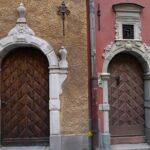
In the heart of Old Town, the tour shifts to protection myths, especially those involving iron. You hear about protecting against vaesen, creatures that show up in mist and unrest. The guide also connects those ideas to common folklore figures, including the Tomte, which helps the story feel less like only horror and more like a whole belief system.
A particularly striking part is the talk about doors and who needs protection. You are told about the importance of door protection. You also hear that before baptism, a newborn lacks certain protections against trolls and the Devil. That detail is grim, but it is also one of those “this is how people thought” moments. It explains why rituals and household safeguards mattered, not just in fantasy terms, but in daily life.
Drawback to keep in mind: if you prefer ghost stories that are mostly about hauntings in the modern sense, this stop might feel more like folklore theology. But if you want to understand how fear was managed through everyday objects like doors and iron, this is the payoff stop.
Logårdstrappan: Näcken, bäckahästen, Sjörå, and the lure into water
Next comes Logårdstrappan, where water becomes the main danger. The tour covers folklore vaesen tied to water, with names that sound poetic and threatening at the same time. You hear about Näcken, the bäckahästen, and also the Sjörå. You also get the skepps-rå mentioned as part of the wider group of water spirits.
The stories share a theme: they try to drown people and lure them into deeper water. This is where you start to see patterns across different folklore regions and creature types. The guide’s job here is connecting those patterns, and the stop works best when you treat the names like categories. They are different creatures, but they serve similar functions in the stories, especially around risk and temptation.
Because it is a short walk segment, you will want to keep your eyes up as you listen. The setting is part of the effect, and the minute you start imagining someone led toward the wrong edge, the name “Logårdstrappan” feels a lot more serious.
Kungsträdgården: huldran, Skogsrået, Myrling, and blood-sucking creatures
Around Kungsträdgården, the tone turns even darker in a folklore way. The tour talks about Skogsrået, also connected to huldran, along with the undead living child Myrling. You also hear that some of these creatures are believed to suck blood and spread death.
This section is longer than some other stops, which helps because it needs time for the guide to make the creature list feel organized instead of random. The best part is that it pushes you beyond the most famous Scandinavian folklore stereotypes. Instead of only trolls and ghosts, you get a wider roster of beings tied to woods, fear, and the body.
If you are easily unsettled, this is where you might feel the chill rise. But if you love folklore, it is also the stop that most clearly shows how the stories used fear as a way to teach boundaries, respect, and caution.
S:t Jacobs Kyrka: church doors, exorcism at baptism, and punishing enemies
The final stretch takes you to S:t Jacobs Kyrka, where the tour stays outside the church and focuses on the lore attached to it. You hear about the church door and the idea that even sacred places have weak points in folklore logic. The guide also covers exorcism linked to baptism, including an exorcism of a kid at baptism, and what to do if you had a worst enemy to punish.
That last part is one of those uncomfortable details that makes the story feel human. Folklore does not only reflect fear of death. It also reflects fear of conflict, neighbors, and the social chaos people could not prevent. In that sense, the stories are not only supernatural. They are explanations for how you cope with the worst parts of life.
When you finish outside the church, you are still in the middle of an active city area. That matters. It lets you process the mood instead of instantly switching into tourist shopping mode. You can walk it off toward Kungsträdgården or continue exploring Old Town at a calmer pace.
The guide factor: what private storytelling does better than group tours
Two review themes come through clearly from the way this tour is delivered. First, the guide is friendly and accommodating. Second, the information is presented in a way that feels worth the money, especially when you care about learning something, not just checking a spooky box.
That Q and A style is more than a convenience. It changes the way you remember the tour. If you understand why iron matters in these stories, or why doors and newborn protection show up repeatedly, the folklore stops being a pile of names. It becomes a pattern of beliefs.
At the same time, one review criticism matters for your decision. The tour name can lead some people to expect more “big haunting” moments. This experience is not only about modern ghost legends. It is about folklore and dark local beliefs, tied to place. If you enter expecting a highlights reel of famous ghost sightings, you might feel let down. If you enter expecting storycraft grounded in locations, you will likely have a better time.
Who this tour fits best (and who might prefer something else)
This tour is a great match if you:
- Love Swedish folklore and want it explained with street-level context
- Prefer a private guide so you can ask questions
- Want a short, organized Old Town walk that covers several key landmarks quickly
- Enjoy dark themes but still want the stories grounded in what makes the city feel real
You might skip it if you:
- Want a long, event-heavy history tour with lots of dates and big political narratives
- Prefer ghost stories focused mainly on hauntings in a modern sense
- Think the phrase ghost and folklore means lots of time for a single landmark’s big legend
Practical planning tips so the tour lands well
Because the tour is about 1 hour 30 minutes, it is easiest to place it in the middle of your Old Town day, when you are already ready for walking. You get more from it if you keep your next plans flexible enough to let you process the mood after the stories.
Also, dress for Stockholm weather. Since the tour moves between outdoors locations and you are listening closely, being comfortable helps. Bring water if you get thirsty easily, especially in warmer months.
Finally, if you want to maximize value from the private format, come with one or two questions in your mind. For example, ask what the guide thinks certain creatures symbolized for people at the time. You will get more out of the experience because you are not just receiving stories, you are steering the focus.
Should you book Private blood, ghosts and folklore Old Town 2h Stockholm tour?
If your idea of a great Stockholm day includes Swedish folklore explained in a private, story-led walk, this is a strong choice. The tour does a good job using the city itself as the classroom, from Stortorget’s death-and-curses themes to door protection lore, water spirits like Näcken, and the darker creatures around Kungsträdgården. And because you can ask questions, the experience feels personal rather than like a script.
I would only hesitate if you want famous ghost sightings or a longer, heavier historical narrative. This is about folklore logic tied to place, delivered quickly.
If that sounds like your kind of spooky, book it, then plan to wander after. These stories stick better when you keep walking through the streets with new eyes.
FAQ
How long is the Private blood, ghosts and folklore Old Town tour?
It lasts about 1 hour 30 minutes.
Is this tour private?
Yes. It is a private tour, and only your group will participate.
Where do I meet for the tour?
The tour starts at Nobel Prize Museum, Stortorget 2, 103 16 Stockholm, Sweden.
Where does the tour end?
It ends just outside Old Town on the north side near Kungsträdgården, and specifically outside Saint Jacob’s Church at Västra Trädgårdsgatan 2A, 111 53 Stockholm, Sweden.
What is the price per person?
The price is $188.16 per person.
Do I need to buy admission tickets during the stops?
The tour notes admission ticket free for the listed stops, so you should not need separate admission payments for those segments.
Do they use a mobile ticket?
Yes, the tour uses a mobile ticket.
Where is the tour located in Stockholm?
It takes place around Stockholm Old Town, starting at Stortorget and continuing past key Old Town landmarks, ending near S:t Jacobs Kyrka and Kungsträdgården.
Is the tour near public transportation?
Yes, it is near public transportation.
Can I cancel for a full refund?
Yes. You can cancel up to 24 hours in advance for a full refund, and refunds are based on local time. If you cancel less than 24 hours before, the amount paid is not refunded.
Are service animals allowed?
Yes, service animals are allowed.
The Darker Walks

More Old Town Lanes
Stockholm, A Few More Ways





Other Swedish trips from the review pile
- ROYAL Castle Skokloster and Viking Sigtuna (private tour)
★ 4.5 · 3 reviews - Stockholm Port to Stockholm Arlanda Airport (ARN) – Departure Private Transfer
★ 3.5 · 3 reviews - Stockholm Ghost Hunt: Self-Guided Tour and Puzzle Adventure
★ 4.5 · 3 reviews - Private Photography workshop in Stockholm
★ 5.0 · 3 reviews - Private blood, ghosts and folklore Old Town 2h Stockholm tour
★ 4.0 · 3 reviews - Ghosts of Stockholm: A Guided Tour of Horror and Dark Folklore
★ 4.5 · 3 reviews
Gamla Stan & Old Town Walks, compared.
 ★ 5.0Walking Tour of Stockholm Old TownFrom $241,175 reviews
 ★ 4.5The Original Stockholm Ghost Walk and Historical Tour – Gamla StanFrom $381,165 reviews
 ★ 5.0Walking Tour of Stockholm’s Old Town, Gamla StanFrom $13451 reviews
 ★ 4.9Old Town Historical Walking TourFrom $52344 reviews
 ★ 4.0Old Town Tour of StockholmFrom $51289 reviews
 ★ 4.7Old Town Guided Walking Tour (English / Deutsch)From $29284 reviews
 ★ 4.7Secrets of Gamla Stan Guided Tour w/ Fika OptionFrom $16282 reviews
 ★ 4.8Old Town Walking Tour, stories and secretsFrom $16275 reviews
Browse the lists this tour appears in