
REVIEW · THE ARCHIPELAGO
4-Day Stockholm Archipelago Self-Guided Kayak and Wild Camp
If you want freedom, this is it. This 4-day Stockholm Archipelago trip is self-guided kayaking and wild camping, but it does not leave you guessing. You start with a thorough handoff in Stockholm, plan your own daily routes, then lean on a phone guide any time you need help with navigation or conditions.
I especially like the way the trip blends independence with real support. You get a full safety and navigation briefing, a guidebook, and route tools like a map plus GPS on your phone, then you can choose how far to paddle and where to set up camp.
One thing to think about before you book: this is wild camping in the weather system. You’ll need a moderate fitness level for kayaking and camp setup, and the experience requires good weather, so you should be flexible with your dates.
In This Review
- Key highlights you should care about
- Why this self-guided archipelago plan beats a rushed day trip
- Price and value for $555.48 per person
- Starting in Stockholm: the handoff that sets your confidence
- Day 1: Transfer, fika briefing, and first paddling toward Runmarö
- Day 2: Bullerö Nature Reserve for birds, history, and a sauna payoff
- Day 3: Långviksskärs island maze, Nämdö choices, or the power of a lazy day
- Day 4: Final paddle, island lunch, and the easy return with shower time
- Gear and equipment that matter on a wild-camp kayak trip
- Navigation tools and the 24/7 phone support safety net
- Wild camping reality: traceless travel and camp confidence
- Who should book this kayak and wild camp trip
- Should you book the 4-day Stockholm Archipelago self-guided kayak and wild camp?
- FAQ
- How long is the Stockholm Archipelago kayaking and wild camping trip?
- Where do I meet the guide and where does it end?
- Is food included in the price?
- Will I get help if I have navigation or safety questions while kayaking?
- What level of fitness do I need?
- Does the trip run in bad weather?
Key highlights you should care about
- 24/7 Kayak Trail Guide Phone for route and safety questions while you’re out on the water
- Thorough first-day briefing that covers kayaking safety, navigation, and traceless travel
- Two-person stable kayaks plus high-quality camping and cooking gear
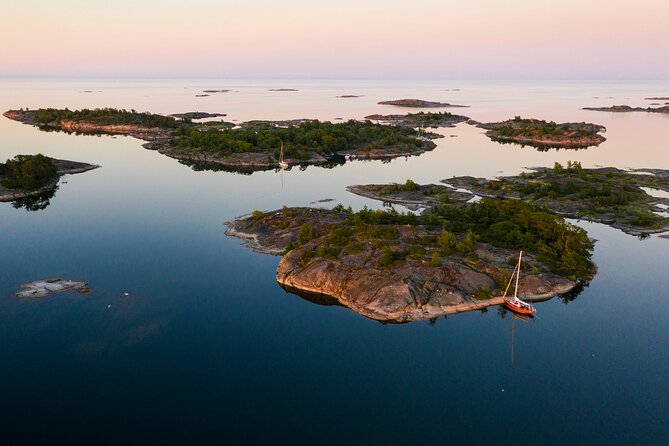
- Wild camp nights on small islands, with swims and stove dinners
- Route flexibility to follow a recommended plan or make your own day-to-day choices
- Public sauna time built into the best archipelago stops (like Bullerö and Långvik)
Stockholm is a big menu. Here is what else we tried
- Stockholm: City Archipelago Sightseeing Cruise with Guide★ 4.3 · 10,798 reviews
- Stockholm: Skansen Open-Air Museum Admission Ticket★ 4.5 · 3,427 reviews
- Stockholm: Archipelago Boat Tour★ 4.4 · 3,110 reviews
- Stockholm: Highlights Boat Tour★ 4.3 · 2,542 reviews
Why this self-guided archipelago plan beats a rushed day trip
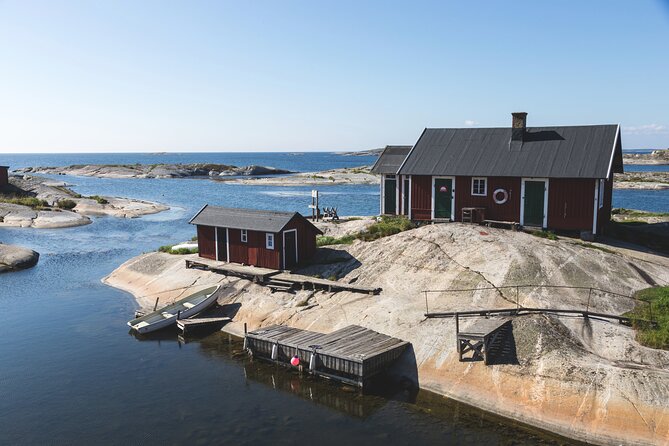
Stockholm’s archipelago can feel like a photo stuck on repeat until you’re actually paddling between the islands. Here, the pacing works because you’re not “touring” by bus. You’re moving under your own muscle power, stopping when the light is right, and spending the evening where the water goes quiet.
What makes this style of trip click is that you get the skills to feel confident. Before you even push off, you talk with certified kayak and wilderness guides about wind, weather, navigation, and how to travel tracelessly. Then you get a guidebook with the nice places and a phone number you can call 24/7.
I also like that it stays practical. You’re not asked to bring everything from scratch. The setup includes kayaking gear and camp cooking gear so you can focus on paddling and making camp, not hunting for equipment at the last minute.
Price and value for $555.48 per person
At $555.48 per person, this is not the cheapest way to see the archipelago. But it can feel like good value because a lot is included that usually costs extra on outdoor trips.
You’re paying for:
- The return transfer between central Stockholm and the kayak center in the archipelago
- A proper intro and safety briefing
- Kayaking and camping gear for the days you’re out
- A guidebook and route tools (map, GPS guidance)
- 24/7 phone support from the Kayak Trail Guide Phone
The biggest “not included” item is food. The food package can be added at cost price, and the trip also mentions ecological food menus and snacks. If you want simple, low-effort meals, budget for that add-on. Alcohol is also not included.
If you’re comparing this to booking a multi-person group tour, the private setup is a key part of the value too. This is listed as private, meaning only your group participates, so your planning and pacing are not at the mercy of strangers.
Starting in Stockholm: the handoff that sets your confidence
You meet at Downtown Camper by Scandic, Brunkebergstorg 9, 111 51 Stockholm, with a 9:00 am start. From there, you get a transfer out to the kayak center, about 45 minutes.
The first big win here is how the briefing is built around real decisions. You’ll meet certified kayak and wilderness guides and sit down with Swedish fika (a beverage plus snack) while you talk about:
- the archipelago and what to expect on the water
- kayak safety
- weather and navigation
- what route choices make sense based on conditions
Then comes the hands-on part: they help you pack the kayaks and you get time to ask questions. This matters, especially if you are new or rusty with paddling. You are not just handed gear and told good luck.
Tip: treat that briefing like your “get your bearings fast” moment. Ask about what wind looks like locally, what signs mean you should change plans, and how to interpret your phone’s GPS with the map in your guidebook.
Day 1: Transfer, fika briefing, and first paddling toward Runmarö
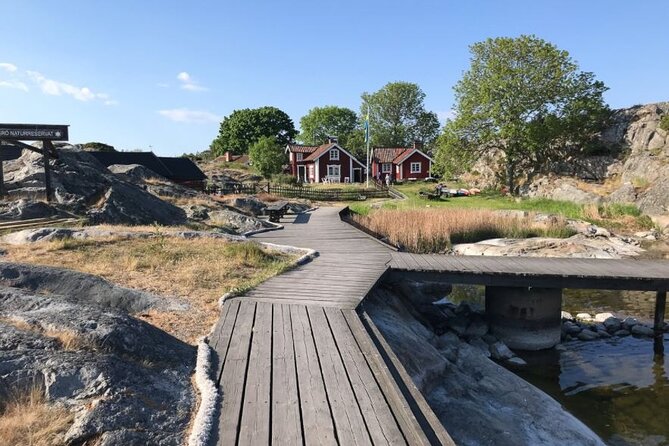
Day 1 is all about launch day and getting a feel for the archipelago rhythm.
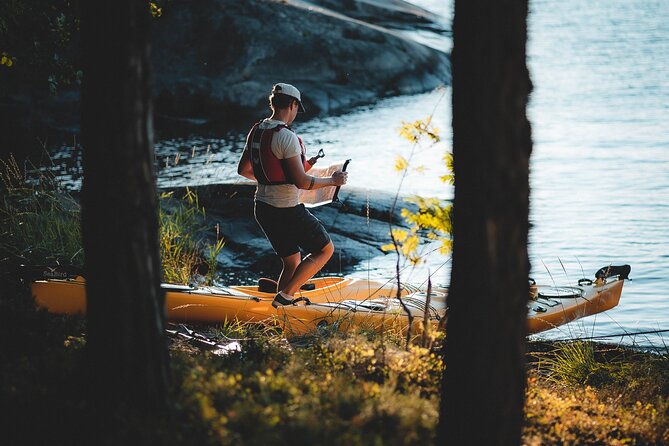
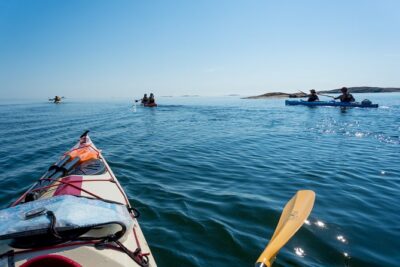
You’ll leave the mainland and head eastward toward small islands, starting from Stavsnäs vinterhamn. In stable two-person kayaks, you get a controlled start and can focus on technique, not balance panic. Soon, seabirds and waves become the main soundtrack, which is exactly how you want day one to feel.
On the water, you pass Runmarö. It’s mentioned in Swedish history as a source of limestone mining, and the trip notes that parts of older Stockholm buildings, including Riddarholm Church, used Runmarö limestone. Even if you don’t go ashore here, it adds grounding context to what you’re paddling past.
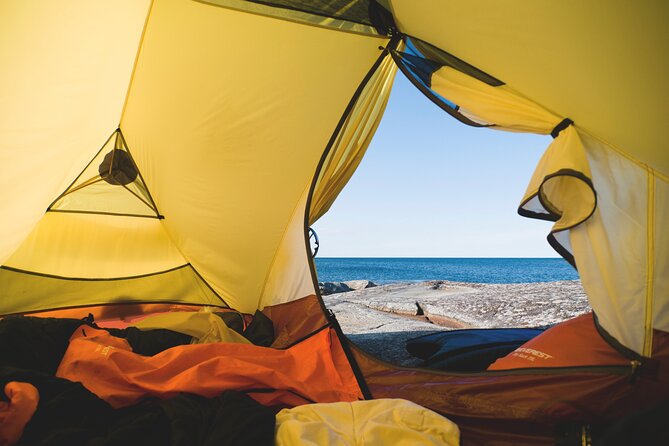
Later, you pick a campsite among the small islets. The goal is a spot you like, not a spot you sprint to. Setup is designed to be straightforward, and then you’re free to swim before dinner.
Dinner is cooked on an outdoor stove using preset food menus. The trip promises that food tastes better outdoors, and that’s usually true because you’re working up appetite, then eating by the water where everything smells like salt and pine.
Possible drawback on day one: you’re learning the system while also kayaking. If you’re anxious about navigation, lean on the briefing questions, then keep calls and check-ins ready via the Kayak Trail Guide Phone if anything feels unclear.
Thirty thousand islands out there. More of them here
Day 2: Bullerö Nature Reserve for birds, history, and a sauna payoff
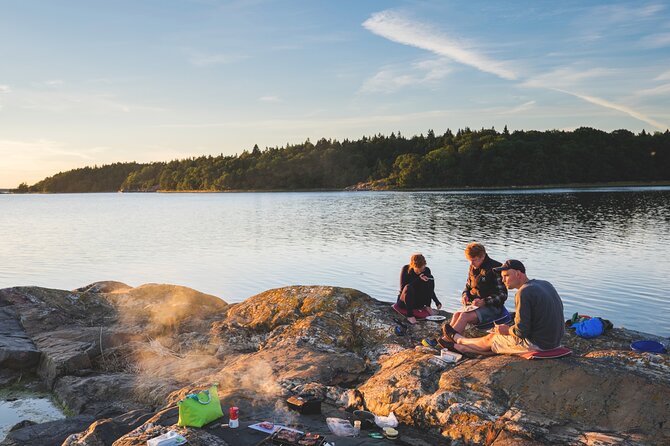
After breakfast, you do route planning based on the weather forecast. This is a theme across the trip: you decide what the day becomes. Depending on conditions, you may paddle to Bullerö Nature Reserve.
Bullerö is described as an archipelago classic with plenty of bird life and nature you can feel on your skin, not just see. It also includes culture and history, with people living off what nature provides since the end of the 1600s. The trip doesn’t push you into a checklist, which is great. Instead, it offers options.
You can:
- linger for half a day to a full day
- do a short discovery hike
- visit the hunting lodge of Bruno Liljefors
If you go to the lodge, the notes include artworks by famous Swedish artists Anders Zorn, Axel Sjöberg, and Albert Engström from the early 1900s. That combination, wildlife plus art plus a sauna, is one of those archipelago mixes that usually only makes sense once you’re there.
And yes, there’s sauna time. The trip calls out a cosy public sauna at Bullerö. This is more than a nice bonus. After a full day of paddling, sauna can be a big part of recovery, and in the archipelago it feels like social tradition even when you’re traveling independently.
Day 3: Långviksskärs island maze, Nämdö choices, or the power of a lazy day
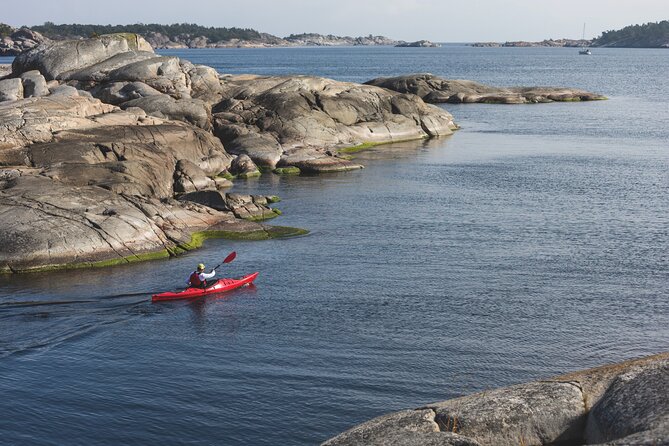
Day 3 is where your trip turns from “learning the basics” into “personal taste.” You’re given options of different islands and moods, and you can choose based on your energy and conditions.
One option is Långviksskärs Nature Reserve. It’s described as a maze of hundreds of islands to the east, with the horizon as your only neighbor when visibility is good. If conditions cooperate, you might be able to visit Tärnskär, described as a well-kept secret with a lovely laguna. The phrase well-kept secret is doing work here, because this is the kind of place that is best when you’re not racing.
Another option is Nämdö, a larger island just south of Runmarö. The notes mention that it has more activity in summertime. If you want a small human break, you can visit the restaurant in Solvik for snacks or stop for Swedish fika at the café. The watch tower on the northern part of Nämdö is also highlighted, along with a public sauna in Långvik.
Then there’s a truly underrated alternative: a lazy day. The trip explicitly frames it as a good choice when you’re tired of schedules. You can sleep in, explore your current island, or just relax on the cliffs with a book. I like this built-in permission, because half of the value of wild travel is not filling every hour. You need time for your brain to stop measuring distance and start noticing the water.
Practical caution: a lazy day still counts as a kayak day for planning. Even if you don’t plan long paddles, check wind and timing so you don’t get surprised at camp setup.
Day 4: Final paddle, island lunch, and the easy return with shower time
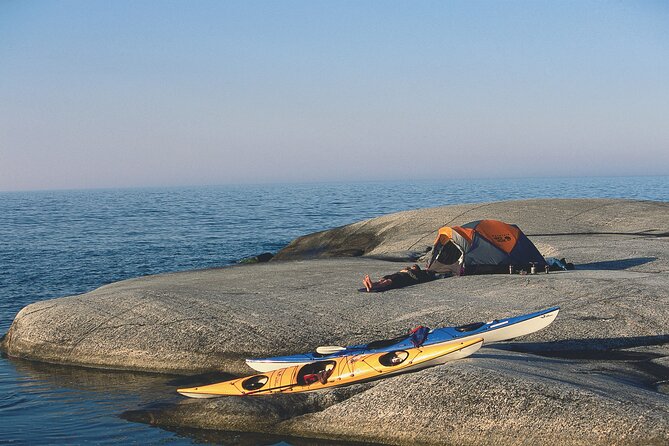
On day four, you’ll likely feel it in your body. The trip notes a calmer mental focus and tired muscles after a couple days of kayaking and hiking.
You paddle again in the morning and then stop for a long lunch on an island. This is one of the best parts of self-guided sea travel: your lunch spot is not chosen for you. It’s chosen because it’s right for the conditions and the mood you want to end on.
The plan also includes an afternoon swim and a cup of coffee before heading back. In the late afternoon you arrive at the kayak center.
The return is handled for you. Staff take care of equipment while you get snacks, shower time, and perhaps a sauna. After a debrief with the guide, you transfer back to central Stockholm with enough time to get dinner or squeeze in some last sights.
That debrief is worth your attention. It’s your wrap-up chance to talk about what worked, what you’d change next time, and how the weather read in practice.
Gear and equipment that matter on a wild-camp kayak trip
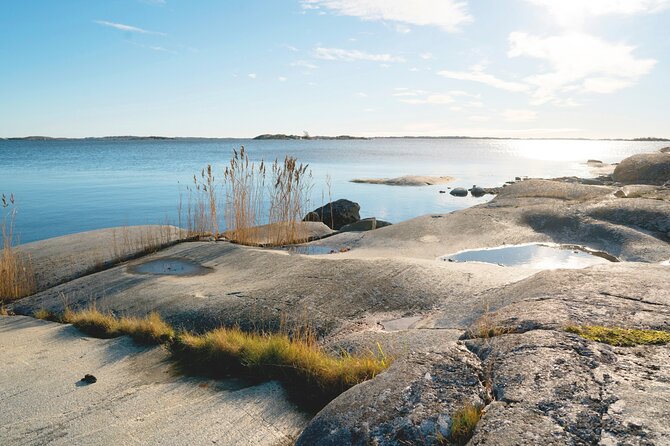
This trip includes top quality kayaking, camping, and cooking gear, plus the stove setup for outdoor meals. Even without brand names listed here, the key detail is that you’re not expected to rent or buy core equipment one piece at a time.
A few gear points stand out from the style of the trip and what people emphasize in the experiences shared:
- The kayaks are set up for stability in two-person use
- You may use technical cold-water gear like a dry suit, depending on conditions
- Camping equipment is provided as a complete system, including sleeping setup
Clean, well-maintained gear is not a luxury on this kind of trip. On day two and three, when you’re tired and focused on camp, you want gear that works without surprises.
What you should bring is less about “more stuff” and more about smart comfort. Wear layers that handle wind chill, bring swim comfort if you want to jump in, and pack personal items that make wild camp life easier for you, like a small dry bag for phone and valuables.
Food is your other big planning piece. The trip says food is not included, but you can add a food package at cost price. If you prefer ecological menus and less decision-making in the wild, add it. Alcohol is not included, so if that matters to your trip style, plan accordingly.
Navigation tools and the 24/7 phone support safety net
Self-guided does not mean self-sufficient with no help. You get:
- a map and kayak trail routes
- GPS on your phone
- a guidebook listing nice places
- and a Kayak Trail Guide Phone available 24/7
On the water, the biggest challenge is usually not finding land, it’s deciding what route fits wind and time. That’s why the guides help you decide on a suitable route at the start, and why you re-plan each morning based on the forecast.
If anything feels off, you’re not stuck. The phone support is there for navigation and safety questions while you’re paddling. That matters for first-timers and for anyone who prefers to feel confident rather than brave.
My advice: save the phone number and keep it accessible. If you delay because you think the question is small, you lose the chance to correct early.
Wild camping reality: traceless travel and camp confidence
Wild camping here means you’re choosing your own campsite, putting up a tent, cooking, and sleeping by the water. The trip says traceless travel is part of the intro, so you should expect guidance on leaving places in good shape.
The good news is that setup is described as easy. On day one, you arrive, find a campsite you like, and get the tent and other gear up quickly. Then you can swim and cook dinner.
That rhythm helps first-time wild campers. You’re not figuring out tent engineering while hungry and cold. You’re doing setup in daylight, then settling in.
One consideration: camp mornings can arrive with wind and changing skies. Even if you chose your campsite well, be ready to adjust your day’s plan if conditions shift.
Who should book this kayak and wild camp trip
This trip suits you if you want:
- self-guided freedom with real safety rails
- wild camp nights and real sea time, not a quick highlight tour
- a trip that works even if you’re not an expert paddler
The fitness requirement is described as moderate physical fitness. That sounds reasonable for people who can kayak at a steady pace and handle hikes, plus a bit of camp setup.
It also fits a range of experience levels. Some people go even if they have very limited kayaking experience, and the trip is set up to teach you what you need early, including how to handle getting into the kayak.
It’s especially good for couples or small groups because it’s private. If you like quieter travel where you make most decisions on your own, this format is a strong match.
Should you book the 4-day Stockholm Archipelago self-guided kayak and wild camp?
Book it if you want a Stockholm experience that feels like living on island time. The combination of a full day-one briefing, top-quality gear, route flexibility, and 24/7 phone support is what makes this work for real humans, not just confident outdoor pros.
Don’t book it if:
- you hate making route decisions
- you want food fully included
- you are inflexible about weather, because the trip requires good conditions
- you prefer established camps with lots of facilities rather than true wild nights
If your ideal trip includes kayaking between islands, Swedish fika moments, sauna breaks, and the simple satisfaction of sleeping after a day on the water, this is one of those rare outdoor trips in Sweden where the logistics don’t get in the way.
FAQ
How long is the Stockholm Archipelago kayaking and wild camping trip?
It runs for 4 days, starting at 9:00 am and ending back at the meeting point in central Stockholm.
Where do I meet the guide and where does it end?
You start at Downtown Camper by Scandic, Brunkebergstorg 9, 111 51 Stockholm, Sweden. The experience ends back at the meeting point.
Is food included in the price?
No. Food is not included, but a food package can be added at cost price. Alcoholic beverages are also not included.
Will I get help if I have navigation or safety questions while kayaking?
Yes. You have access to a 24/7 Kayak Trail Guide Phone, plus you receive an introduction covering safety, navigation, and traceless travel.
What level of fitness do I need?
The trip is suited for travelers with moderate physical fitness level.
Does the trip run in bad weather?
The experience requires good weather. If it is canceled due to poor weather, you will be offered a different date or a full refund.
Trail Days And Wild Camps
Out Among The Islands
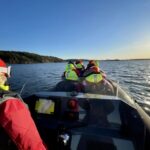
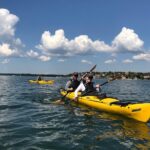
Stockholm, A Few More Ways



Other Swedish trips from the review pile
- ROYAL Castle Skokloster and Viking Sigtuna (private tour)
★ 4.5 · 3 reviews - Stockholm Port to Stockholm Arlanda Airport (ARN) – Departure Private Transfer
★ 3.5 · 3 reviews - Stockholm Ghost Hunt: Self-Guided Tour and Puzzle Adventure
★ 4.5 · 3 reviews - Private Photography workshop in Stockholm
★ 5.0 · 3 reviews - Private blood, ghosts and folklore Old Town 2h Stockholm tour
★ 4.0 · 3 reviews - Ghosts of Stockholm: A Guided Tour of Horror and Dark Folklore
★ 4.5 · 3 reviews
Stockholm Archipelago Tours, compared.
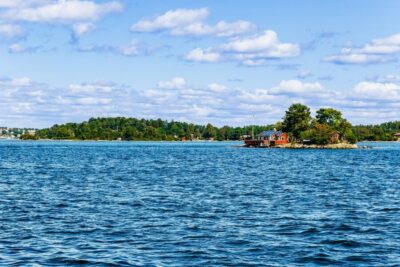 ★ 4.3City Archipelago Sightseeing Cruise with GuideFrom $4110,798 reviews
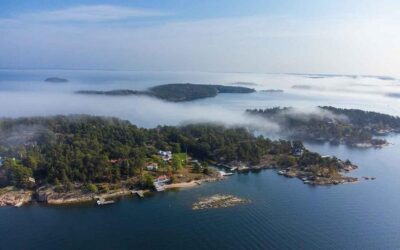 ★ 4.4Archipelago Boat TourFrom $393,110 reviews
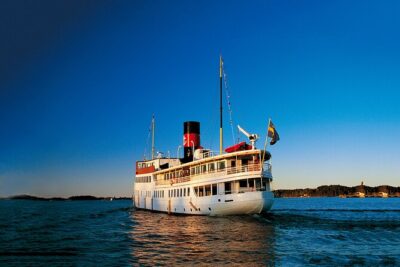 ★ 4.0Stockholm Archipelago Cruise with GuideFrom $471,125 reviews
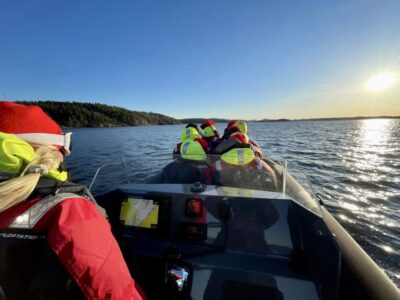 ★ 4.92-Hour RIB Speed Boat Tour of the ArchipelagoFrom $176396 reviews
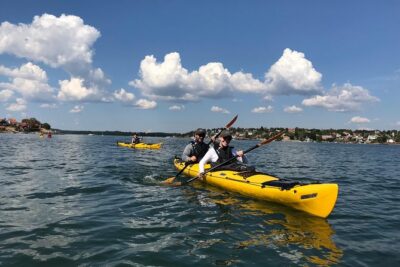 ★ 5.01-Day Small-Group Stockholm Archipelago Kayak TourFrom $223266 reviews
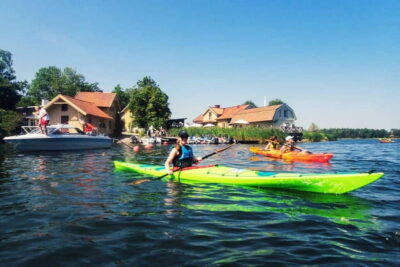 ★ 4.9Archipelago Islands Kayak Tour and Outdoor PicnicFrom $121150 reviews
 ★ 5.0Stockholm Archipelago Tour by KayakFrom $21299 reviews
 ★ 5.0Kayaking tour around Vaxholm Archipelago with FikaFrom $17195 reviews
Browse the lists this tour appears in