
REVIEW · GUIDED
Ice Climbing Experience with Certified Guide
Ice climbing in Abisko feels almost unreal. It is a 3-hour, beginner-friendly session where certified guidance and included equipment make it practical to try vertical ice. I also love how hotel pickup keeps you from wasting time searching around town. The only real downside is the cold and physical effort, especially if the icefall is windy or snowy.
What makes this work for most people is simple: you do not need prior climbing experience, and the guide takes you step by step. With a max group size of 18 and English-speaking instruction, you get enough attention to learn fast. You still should have moderate fitness, because climbing up and being attentive while belaying can burn energy quickly.
In This Review
- Key things to know before you book
- Ice climbing in Abisko: why this beginner setup makes sense
- Getting to the icefall: pickup timing from Abisko hotels
- The gear moment: boots, crampons, harness, helmet
- Learning vertical ice: what the first climb actually teaches you
- Safety and weather: what happens in wind and snowfall
- Group size, pace, and the physical challenge
- Price and value: what you pay for at about $125.93
- Small touches that add meaning to the day
- Should you book this ice climbing session with Abisko Adventure?
- FAQ
- Do I need previous ice climbing experience?
- What equipment is included in the tour?
- How long is the ice climbing experience?
- Is pickup offered from hotels in Abisko?
- What languages are available?
- What fitness level do I need?
- How many people are in a group?
- What if weather is bad?
- What is the meeting time for pickup?
Key things to know before you book
- Pickup from specific Abisko accommodations saves time, especially in winter light and weather
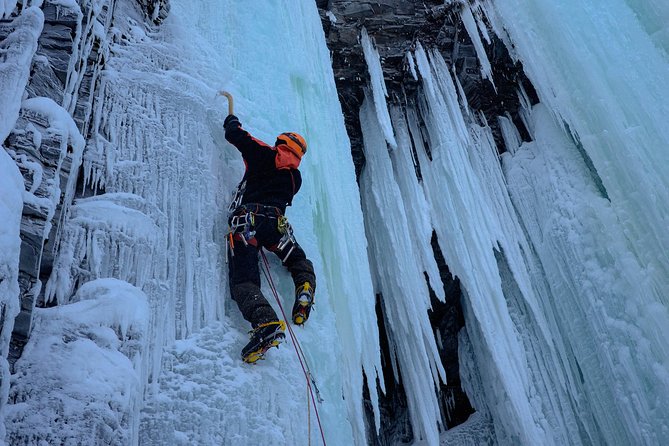
- All core ice gear is included (alpine boots, crampons, harness, helmet) so you can pack lighter
- No experience needed, the guide teaches the first techniques from scratch
- Small group feel (18 max), which helps you get coaching instead of watching others
- Safety focus with real instruction while you learn to move and climb on ice
- Weather-dependent timing, since the experience requires good conditions
When you would rather someone else did the talking
- Ice Climbing Experience with Certified Guide★ 5.0 · 204 reviews
- Guided 5-Day Kayak & Wildcamp the Archipelago of Sweden★ 5.0 · 73 reviews
- 5-Day Kayak & Wildcamp the Archipelago of Sweden – Self-guided★ 5.0 · 48 reviews
- 4-Day Kayak & Wildcamp the Archipelago of Sweden – Self-guided★ 5.0 · 16 reviews
Ice climbing in Abisko: why this beginner setup makes sense
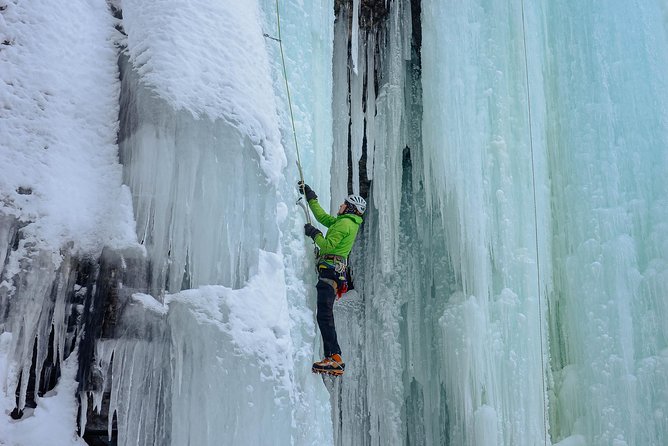
Abisko is built for winter adventure, but ice climbing has a reputation. People imagine you must already know how to use crampons, read ice, and trust your footing. This experience trims that anxiety down fast, because the day starts with gear and instruction rather than a test of athletic talent.
The backbone is the certified guide and the included equipment. You are fitted with alpine boots, crampons, a harness, and a helmet, then you learn basic movement on vertical ice. In plain terms, it is not about climbing like a pro, it is about getting safe, getting stable, and learning the technique that lets your feet and hands work together.
And the best part, judging by the strongest themes in the experience, is the coaching style. Guides such as Anna, Axel, and Aril are repeatedly praised for being patient and encouraging. When someone feels shaky halfway up, the guide advice and motivation help you keep going, not bail out.
Possible drawback to keep in mind: vertical ice looks simple from a distance, but it is physically demanding. If your strength or stamina is limited, you will still be able to try, but you may need more time to build confidence as you learn the motions.
Getting to the icefall: pickup timing from Abisko hotels
One of the smartest value points here is how directly the tour starts. Pickup is offered from your accommodation in Abisko, so you are not making your own way through snow and wind right before climbing.
Plan to be ready early. The guidance is to arrive at the pickup location 5 minutes before the scheduled time. Then you ride a short drive to the icefall area.
Here are the listed pickup times:
- Abisko Mountain Lodge: 9:30 and 14:00
- abisko.net: 9:30 and 14:00
- Abisko Hostel: 9:35 and 14:05
- Abisko Guesthouse: 9:35 and 14:05
- STF Mountain Station: 9:40 and 14:10
- Björkliden – Hotell Fjället: 9:50 and 14:20
- Björkliden – Gammelgården: 9:50 and 14:20
Why I think this matters: ice climbing feels more intense when you are rushed, cold, and tired before you even start. Pickup removes that stress. You can focus on dressing right and listening the first time the guide explains how the system works.
You should also note that it is near public transportation. That is handy if you are staying somewhere not listed for pickup, but the experience also clearly works best if you use the provided ride.
The gear moment: boots, crampons, harness, helmet
The best way to understand value here is what you get before you even touch the ice. After the drive to the icefall, you are fitted with the core climbing kit: alpine boots, crampons, a harness, and a helmet. That covers the essential safety equipment and the tools that make ice climbing possible in the first place.
This matters because it solves two common problems:
1) Renting or buying gear in winter can be confusing, and sizes can be a hassle.
2) The gear has to fit correctly for safety and comfort, especially crampons on boots.
During the fitting, expect the guide to make sure you can move and that your system is set up properly. Then you move into technique instruction on vertical ice. The goal is to help you feel in control before you attempt the harder bits.
What to bring from your side is warmth. The instruction is to dress warm, because even with gear, you will stand, listen, and climb in cold air. If you tend to get cold easily, treat this like a full winter outing, not a quick activity.
Learning vertical ice: what the first climb actually teaches you
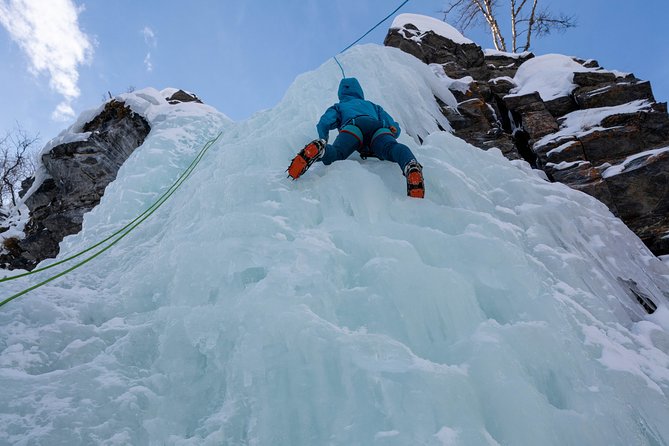
No previous experience is needed, and the sequence is built around fundamentals. You begin with basic steps and learning how to place crampons and use your arms and grip effectively on ice.
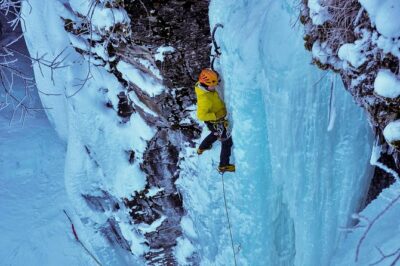
Then the guide takes you into actual climbing with safety systems. The experience includes belaying, and this is where patient instruction really shows. In wind and snowfall, your attention matters even more. Several people describe heavy conditions and praise the guides for clear explanations and steady, encouraging coaching.
So what should you expect during your learning phase?
- Gear goes on first, then you practice basic movements.
- The guide explains the steps slowly, then you try.
- You climb with the support of the safety setup, while the guide checks positioning.
- As you go higher, the challenge is mostly controlled effort, not panic.
A detail I love from the way this is described: the guides focus on technique, not just getting you to the top. Tips given during the climb help you adjust mid-route, and that is what turns a scary moment into a solvable one. One key theme is that people felt completely safe, even when the climb looked insane at first glance.
Also, do not ignore the “almost gave up halfway” moments. That is normal. The climb is tiring, and ice climbing asks you to think while your legs burn. Having a guide who can shift you from frustration to focused steps is part of why the rating is so high.

Safety and weather: what happens in wind and snowfall
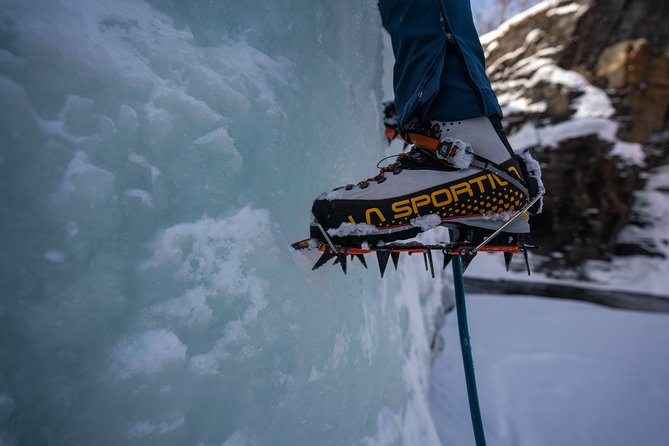
This is arctic winter activity, so the weather can be real. The experience is described as requiring good weather, and the tour can be canceled due to poor conditions, with an offered different date or a full refund. That is a responsible approach.
At the same time, some of the strongest feedback includes climbing during heavy winds and snowfall. The message from the guides seems consistent: conditions can be rough, but you are not sent out blindly. The coaching and safety systems are what keep the experience enjoyable.
Here is how weather affects you, practically:
- Visibility can drop, so listening to instruction matters more.
- Wind can make you feel off-balance, so keeping your body aligned is harder.
- Snowfall makes gear and clothing colder, so layering matters.
If you worry about taking a chance on weather, the “good weather required” rule is a comfort. You are not expected to climb in unsafe conditions, but you are also not guaranteed calm skies. Bring warm layers, keep your gloves and hat coverage solid, and take the guide directions seriously the first time.
Group size, pace, and the physical challenge
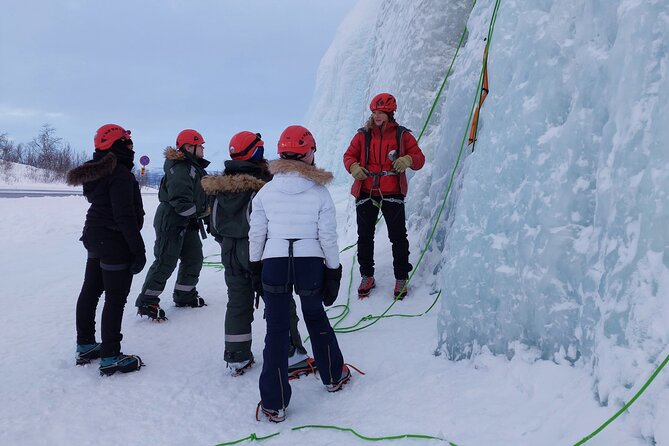
With a maximum of 18 travelers, this does not feel like a cattle-car activity. You get group energy, but you still get enough attention for individual adjustments. That is important for first-timers, because everyone’s comfort level with crampons and balance is different.
Moderate physical fitness is listed as a requirement. That does not mean you need to be an athlete, but you do need to handle:
- Standing in cold for instruction and fitting
- Climbing motions that engage legs and arms
- Belaying and staying focused while secured
One person’s favorite part is described as a challenge, with encouragement helping them push through and reach the top. That fits what ice climbing usually feels like. You might hit a point where your legs get tired or you second-guess your placement. The good news is the guide is there, and the coaching is designed to build you up, not shut you down.
If you want a break down the anxiety curve, here is what tends to work:
- Go slow during the early steps.
- Trust the guide checks.
- Focus on one movement at a time, rather than the whole route.
Price and value: what you pay for at about $125.93
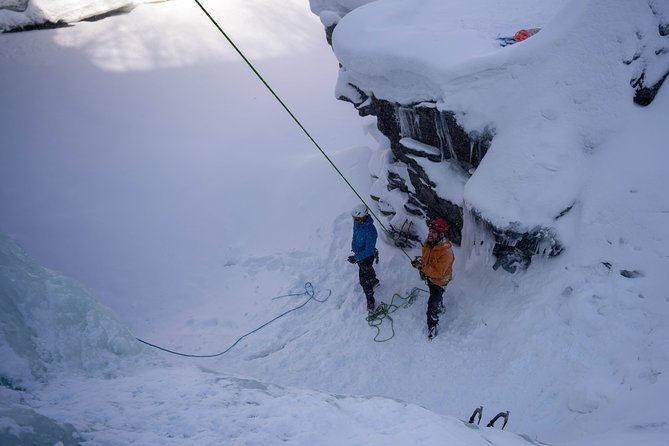
At $125.93 per person for approximately 3 hours, you are paying for far more than a “try ice climbing” label. You are paying for:
- A certified guide
- Included climbing equipment (boots, crampons, harness, helmet)
- Transportation via pickup from select Abisko accommodations
- A guided learning session on vertical ice
- Safety management, including belaying
When you add those up, the cost starts to look fair, especially if you would otherwise need to rent gear and coordinate transportation in a winter setting. The pickup and included equipment alone can save time and money, plus reduce stress.
English instruction is offered, which matters if you want to understand the technique and safety cues without guesswork. Also, the tour uses a mobile ticket, so you can keep it simple on your phone.
A smart budget note: bring appropriate winter clothing. The tour provides climbing gear, but it does not replace your need for warm layers. If you show up underdressed, you might still climb, but the experience can feel more uncomfortable than it needs to be.
Small touches that add meaning to the day
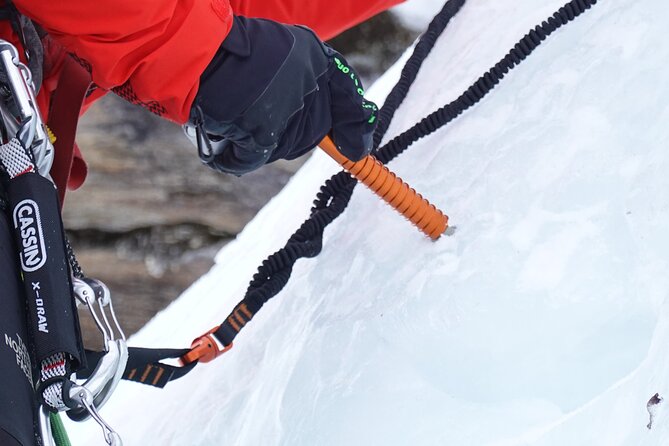
Two details pop up in the feedback that make the experience feel personal.
First is the way guides coach confidence. Names like Anna, Axel, and Aril are tied to clear explanations, patience, and steady encouragement. If you are not confident, the guide style is part of the value. People describe feeling completely safe, even when the activity is new and intense.
Second is a commemorative touch. One review notes a commemorative mug given to participants to take home. That is not essential, but it is a nice reminder that you did something unusual and earned it the hard way.
And there is also mention that it can feel special when you are the only person in the group. Even if you cannot count on that, it suggests a small-business, small-group approach.
Should you book this ice climbing session with Abisko Adventure?
If your goal is an arctic adventure that feels authentic, safe, and learnable, I say book it, with one caveat: dress warm and accept that your body will work.
Book it if:
- You are a beginner and want proper instruction, not guesswork
- You want included gear and a guide who focuses on safety and technique
- You would rather use hotel pickup than figure out winter logistics
- You like small-group energy, with room for questions
Consider skipping or asking questions first if:
- You have low tolerance for cold and heavy wind conditions
- You know you cannot handle moderate physical effort in winter layers
If your winter trip includes Abisko and you want one activity that turns the place into a hands-on experience, ice climbing here is a strong choice. The guide coaching, included equipment, and small-group setup make it a rare mix of thrilling and genuinely manageable.
FAQ
Do I need previous ice climbing experience?
No. The experience is designed with instruction for beginners, and you get guided practice on vertical ice.
What equipment is included in the tour?
Ice climbing equipment and a certified guide are included. The listed gear includes alpine boots, crampons, a harness, and a helmet.
How long is the ice climbing experience?
It runs for about 3 hours.
Is pickup offered from hotels in Abisko?
Yes. Pickup is offered from several Abisko accommodations, with specific pickup times listed for each location.
What languages are available?
The tour is offered in English.
What fitness level do I need?
You should have a moderate physical fitness level.
How many people are in a group?
The maximum group size is 18 travelers.
What if weather is bad?
This experience requires good weather. If it is canceled due to poor weather, you will be offered a different date or a full refund.
What is the meeting time for pickup?
You should be at the pickup location 5 minutes before the scheduled pickup time.
Trips That Come With A Guide

Reviewed Across Sweden

Other Swedish trips from the review pile
- Airport Transfer: Airport ARN to Stockholm by Business Car
★ 4.0 · 3 reviews - Arlanda Express Train Airport and Stockholm City Transfer
★ 5.0 · 3 reviews - Karlskrona Self Guided Sherlock Holmes Murder Mystery Game
★ 4.0 · 3 reviews - Airport Limousine Transfer: Arlanda Airport to Stockholm City 1-7 Passengers
★ 4.0 · 5 reviews - Stockholm Top attractions all-inclusive Gran Tour Winter Edition
★ 5.0 · 6 reviews - Explore the Icehotel, Day Trip from Abisko
★ 5.0 · 6 reviews
Guided, compared.
 ★ 4.3City Archipelago Sightseeing Cruise with GuideFrom $4110,798 reviews
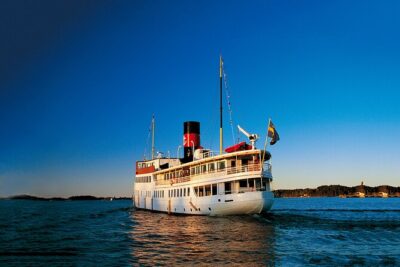 ★ 4.0Stockholm Archipelago Cruise with GuideFrom $471,125 reviews
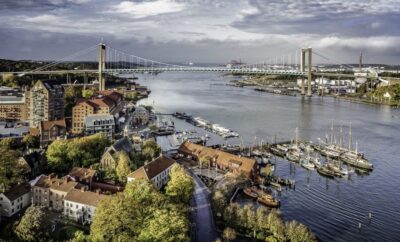 ★ 4.3Gothenburg: Archipelago cruise with guideFrom $471,002 reviews
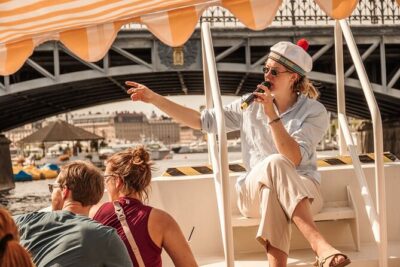 ★ 5.0Open Electric Boat Ride in Stockholm with Live-GuideFrom $31637 reviews
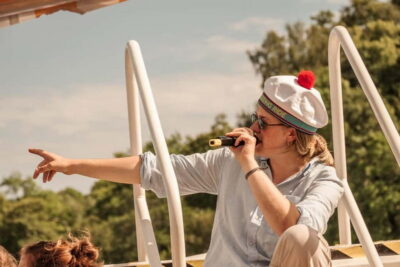 ★ 4.8Guided City Sightseeing Open Electric Boat TourFrom $23516 reviews
 ★ 5.0Vasa Museum Guided Tour, Including Ticket & GuideFrom $60330 reviews
 ★ 4.7Old Town Guided Walking Tour (English / Deutsch)From $29284 reviews
 ★ 4.7Secrets of Gamla Stan Guided Tour w/ Fika OptionFrom $16282 reviews