
REVIEW · STOCKHOLM
The Nordic Food Walk Stockholm
Snack your way through Stockholm’s real food neighborhoods. I like how the tour strings together both classic and modern Swedish eating in one tight route, and I like that you get drinks along the way, not just bites. One thing to consider, you do a lot of walking and some days the group can be closer to 20 people, so the tasting sizes and pacing may feel different.
You’ll meet up at Beirut Café in Östermalm and finish in Old Town near Kindstugatan, with fika at the end. Choose a morning or afternoon slot so the timing fits your day, especially since you’ll leave full and with a strong list of where to eat next.
In This Review
- Key things to notice before you go
- Starting at Östermalms Saluhall, where Stockholm’s food has pedigree
- Swedish meatballs, cheese, and game meats, more than just a “tasting sampler”
- Why K25 and Stureplan belong on a Stockholm food walk
- Chokoladfabriken hot chocolate and the Swedish spice trick
- Markets for the sweet, the salty, and the weird-in-a-good-way
- Beer, fruit, and cured meats to keep the route from feeling repetitive
- Into Gamla Stan, with cobblestones and a candy stop
- Fika finale: kanelbullar and strong coffee, the part that makes it feel complete
- Price and logistics: what $122.32 buys you, and what to watch for
- Which guides you might get, and why their style affects the whole tour
- Who should book Nordic Food Walk Stockholm (and who should skip it)
- Should you book it? My decision guide
- FAQ
- How long is the Nordic Food Walk Stockholm?
- Where do I meet the guide and where does the tour end?
- What is included in the price?
- Is the tour offered in English, and how big are the groups?
- Can you accommodate vegetarian or food allergies?
- Should I eat before I go?
Key things to notice before you go
- Östermalms Saluhall first, so you start where Stockholm’s food culture feels most local and old-school
- A “whole Sweden” tasting lineup, meat, seafood, cheese, licorice, jam, and game meats show up in the same walk
- Proper drinks included, including a glass of wine, plus stops that serve beer and cardamom hot chocolate
- Modern food stops beyond the usual sites, like K25, where you’ll see how younger Stockholmers eat now
- Fika is the payoff, ending with a classic kanelbullar and strong coffee in Gamla Stan
Stockholm is a big menu. Here is what else we tried
- Stockholm: City Archipelago Sightseeing Cruise with Guide★ 4.3 · 10,798 reviews
- Stockholm: Skansen Open-Air Museum Admission Ticket★ 4.5 · 3,427 reviews
- Stockholm: Archipelago Boat Tour★ 4.4 · 3,110 reviews
- Stockholm: Highlights Boat Tour★ 4.3 · 2,542 reviews
Starting at Östermalms Saluhall, where Stockholm’s food has pedigree
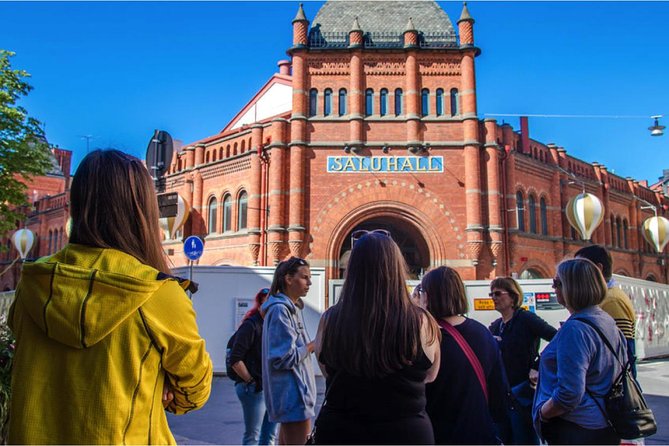
This tour begins in Östermalm, at Beirut Café on Nybrogatan 29, right near Östermalms Saluhall. That matters because Saluhall is not just a pretty market stop. It’s Stockholm’s kind of food museum that still works as a market, with vendors that have stayed in family hands for generations.
Inside, you’ll spot the kind of detail people usually miss: preserved wooden carvings in the hall. That’s the quiet clue to why Swedish food culture lasts. It’s not only about recipes. It’s about place, craft, and continuity.
If you’re a foodie who likes history without turning it into a lecture, this start hits the sweet spot. It sets a tone of respect for the ingredients and the people selling them.
Swedish meatballs, cheese, and game meats, more than just a “tasting sampler”
A lot of food tours hand you a few snacks and hope you call it a day. This one aims bigger. You move from meatballs into cheeses, then onward to game and cured meats, so the flavors feel like a story instead of random hits.
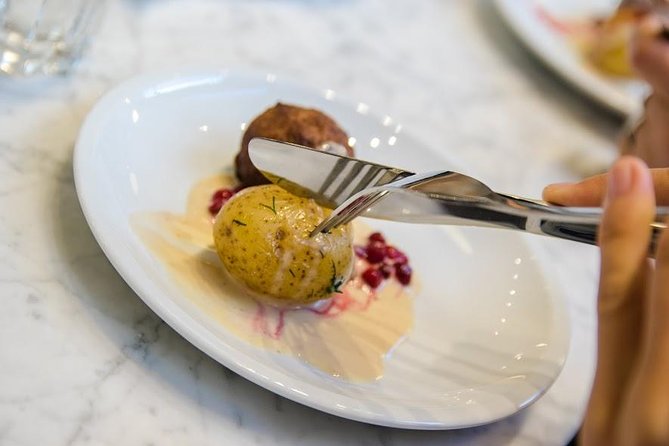
You’ll meet the meatball concept early, including what makes a Swedish meatball work and how potatoes and jams fit the bite. Even the modern spin gets explained. One stop highlights meatballs that are a healthier take compared to the traditional version, but still satisfy that classic comfort-food craving.
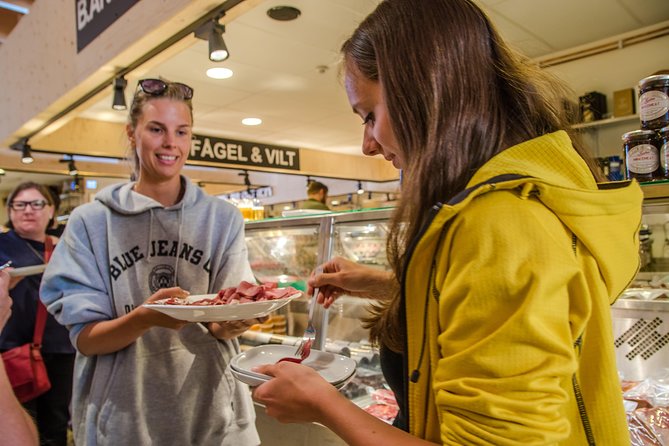
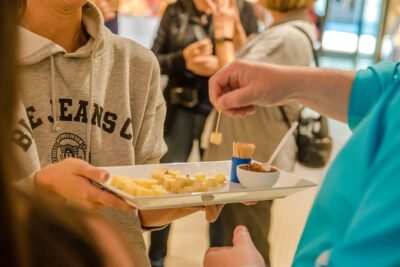
Later, you’ll be introduced to more “you really won’t find this everywhere” Swedish items. At Husmans Deli, plan for artisan cheese tastings. Then at Fagel & Vilt, cured meats show up in a big way, with options like smoked reindeer and elk salami. If you like the idea of eating like a local, not like a menu, game meats are a strong signal.
One practical note: come in ready to taste a lot. In the feedback, people repeatedly recommend not eating beforehand because the tour’s portion sizes add up fast.
Why K25 and Stureplan belong on a Stockholm food walk
After Östermalm, you shift gears toward the city center, with a walk through Stureplan. It’s an area most tourists skip, and that’s exactly why it works. You get to see a different slice of Stockholm life, more everyday and more current.
At Kungsgatan, you’ll stop at K25, a food court packed with Stockholm’s younger crowd. This isn’t just about variety, it’s about context. You see where people grab lunch when they are not playing tourist.
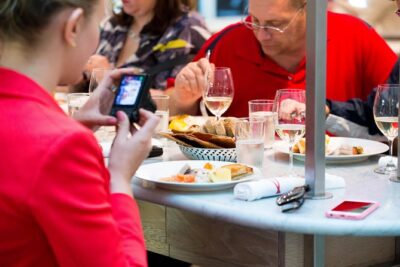
You’ll also try local seafood here, paired with a glass of white wine. The combo makes sense. Swedish seafood often shines when it’s not drowned in heavy sauces, and a simple wine pairing helps you notice the flavors instead of covering them.
Then you do that underrated travel skill: people-watching. You’ll be walking and tasting, but you’ll also get a feel for the rhythm of the neighborhood.
Chokoladfabriken hot chocolate and the Swedish spice trick
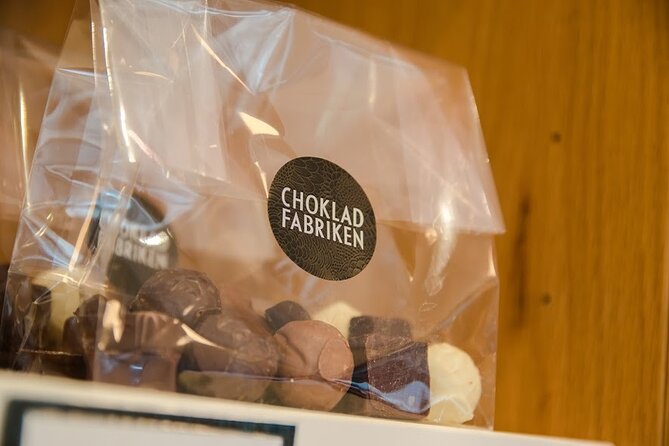
At Chokoladfabriken, the tour pivots to something sweeter and warmer. This stop is built around hot chocolate that uses 65% cocoa and cardamom. That cardamom detail is the reason I think this stop is a standout.
Cardamom is one of those flavors that instantly changes the personality of a drink. It makes the chocolate taste less like plain dessert and more like something Swedish kitchens treat as a comfort ritual.
This is also where you get a break in walking intensity. Even if you’re moving most of the time, a warm drink stop helps you reset, and you’ll likely want that given how much time you’ll spend outside.
Still hungry? More Swedish plates and pints we tried

Markets for the sweet, the salty, and the weird-in-a-good-way
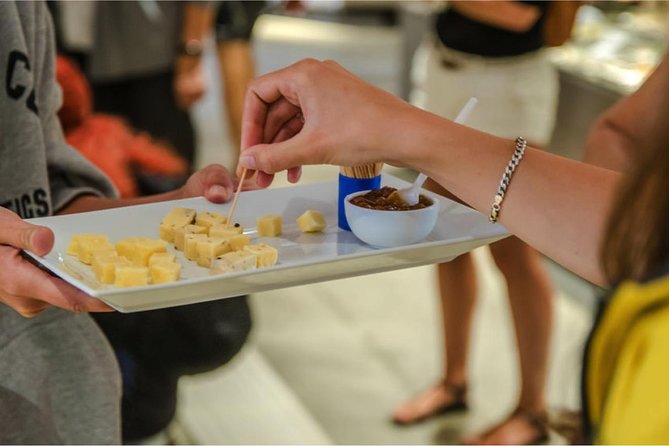
The tour doesn’t just keep you in one lane. You get both Swedish pantry items and classic sweets, plus a market-stall browsing moment that feels like you’re tagging along with someone who knows what to look for.
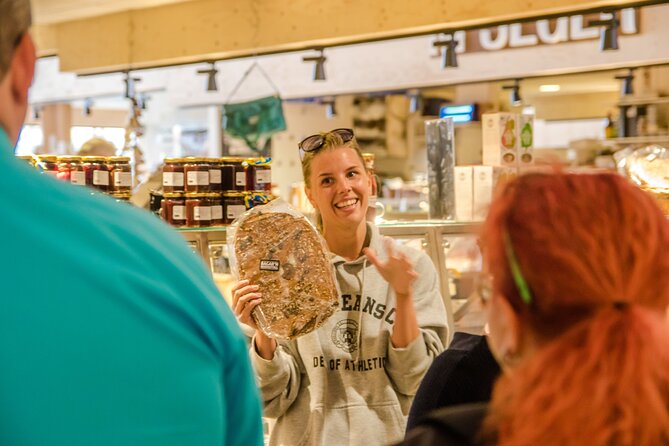
At Hõtorgshallen, you’ll peruse stalls with Swedish delicacies and fresh produce. This helps you connect tastings to grocery reality. It’s one thing to try a jam. It’s another to see how it lives on shelves and gets sold at a market.
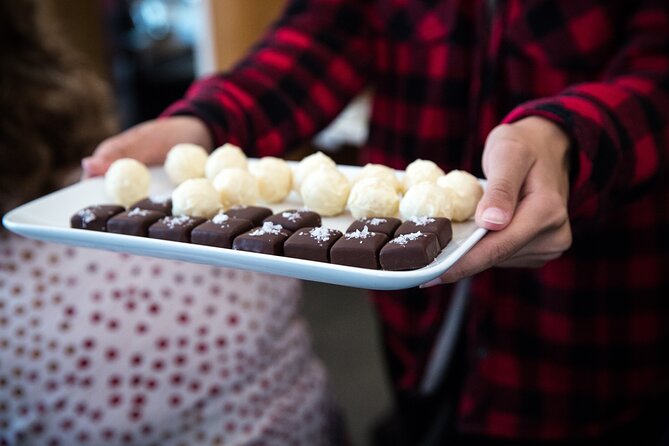
Then you hit P&B Delikatesser, where the tastings can feel dizzying in the best way. Expect homemade products like truffles, traditional Swedish licorice, and cloudberry jam. Cloudberry is one of those Nordic ingredients that feels rare until you learn where it shows up.
If you love salty-sweet flavors, this is where you’ll likely have fun. If you hate licorice, steel yourself anyway. One recurring joke in the feedback is how salty the licorice can be, and that means you should treat it like an adventure, not a dare.
Beer, fruit, and cured meats to keep the route from feeling repetitive
By the time you reach the cured-meat and cheese parts, the tour has already covered a lot of ground in flavor types. But it keeps moving, and that matters.
At one point you’ll get Norrlands Guld beer. That fits the overall “Sweden, not just desserts” approach. Swedish food culture includes fermented and malted favorites, and this stop gives you a beverage that pairs naturally with meats.
Then you’ll switch to something bright and simple at Lisbeth Janson Frukt & Grönt, with fresh fruit. That kind of reset is smart. It keeps your palate from getting stuck in heavy flavors and helps the final sweet stops land better.
Into Gamla Stan, with cobblestones and a candy stop
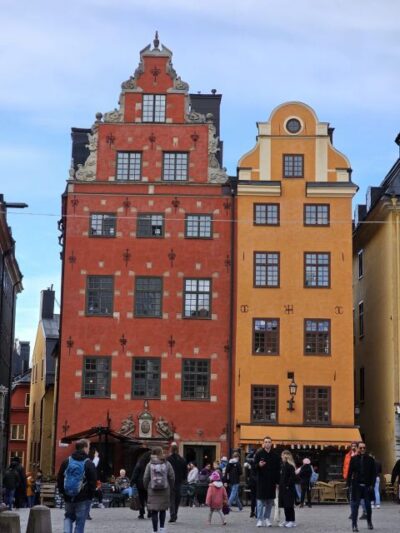
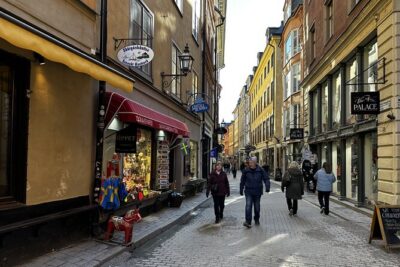
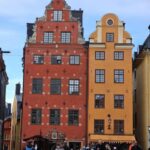
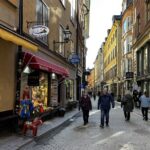
After the market-heavy stretches, you walk into Gamla Stan, Stockholm’s Old Town, known for medieval alleyways and architecture that date back to the 13th century. Even if you’ve seen Old Town photos before, walking the streets during this tour feels different because you’re not only sightseeing.
You’ll pause at a candy store before the fika finale. It’s a small detail, but it helps keep the route feeling playful. And it also builds anticipation for fika, the Swedish coffee-and-sweet break.
Fika finale: kanelbullar and strong coffee, the part that makes it feel complete
The last tasting is fika, and it’s the most Stockholm thing on the whole route. You’ll get a kanelbullar and strong coffee, which is exactly how Swedish fika usually reads at its core: cinnamon bun comfort, plus coffee that actually tastes like coffee.
The reason this ending works is timing. By the time you hit Old Town, you’re already full from tastings, but you still have the energy to enjoy something warm and comforting. So the finale doesn’t feel like an afterthought. It feels like a proper close.
Price and logistics: what $122.32 buys you, and what to watch for
At $122.32 per person for about four hours, you’re paying for more than food. You’re paying for a guided route that handles the “what do I try?” question and the “where do I find it?” question in one go.
In the included list, you get a professional guide, food tastings and free samples, a glass of water, and a glass of wine. Then the stops layer in additional included items through the route itself, including beer and the famous cardamom hot chocolate. That’s how the value stacks up. If you tried to replicate this alone, you’d likely spend almost the same amount on multiple paid snacks and drinks, without the local routing and context.
Logistics matter too. This is a walking tour with a moderate fitness level recommendation. In feedback, people repeatedly emphasize good walking shoes. Also, keep in mind that some reviews mention the pace can be fast and the final tasting might not satisfy everyone if you’re expecting a large portion size.
Group size is capped at 20, and a larger group can mean tastings feel like they move quicker. If you need extra time to ask questions or you’re slower on your feet, consider choosing a time slot where you’ll be most comfortable.
Which guides you might get, and why their style affects the whole tour
One of the best parts of this experience is the human element. The feedback highlights guides with strong local storytelling, and it shows up in how you understand the food.
I’d pay attention to names you might hear in the group. Cotton shows up often in the comments, with people praising how he connects food to regional origins and Swedish life. Theresa also gets frequent praise for sharing history and taking guests to places they would not find alone. Sarah earns compliments for friendly, engaging guiding, including a sit-down seafood moment and a relaxed fika pause.
Caoimhe is noted for handling dietary needs like gluten free and vegetarian, with the key detail that tastings can’t be changed once the tour begins. So if you have restrictions, plan to flag them clearly during booking.
If you care about conversation, the guide can be the difference between a good tasting and a memorable one. Some reviewers mention deep back-and-forth questions. That’s a big reason to book this style of tour instead of only doing markets on your own.
Who should book Nordic Food Walk Stockholm (and who should skip it)
This tour fits you best if you want a food-first way to see multiple neighborhoods in a few hours. It’s also great if you like structure. Someone else picks the places, and you just show up ready to taste, learn, and walk.
It’s also a strong match for solo travelers. Several reviews describe enjoying the tour alone and still feeling welcomed, with guides making the experience personal.
I think it’s less ideal if you hate walking or need a very slow pace. A couple of reviews call out walking speed and pacing differences, especially for older travelers. If you’re very sensitive to group size or prefer tons of sit-down time, this might feel more “on the move” than you want.
Should you book it? My decision guide
Book Nordic Food Walk Stockholm if you want a guided route that covers the full Swedish spectrum, from Östermalms Saluhall and K25 to Gamla Stan fika, with drinks built in. The price makes sense when you consider you get tastings plus a glass of wine and water, then you keep adding included stops like cardamom hot chocolate and beer.
Don’t book it if you’re only after a light snack tour or you need minimal walking. Plan for cobblestones, outdoor time, and a pace that depends on group size.
If you do book, my best tip is simple: arrive hungry, wear solid shoes, and ask your guide what you should hunt for after the tour. That’s when the experience turns into real eating plans, not just a single fun afternoon.
FAQ
How long is the Nordic Food Walk Stockholm?
The tour is about 4 hours.
Where do I meet the guide and where does the tour end?
You start at Beirut Café, Nybrogatan 29, Stockholm, and you end at Kindstugatan, Stockholm (Kindstuegatan 1).
What is included in the price?
Included are a professional guide, food tastings and free samples, a glass of water, and a glass of wine. Additional food and drinks are not included.
Is the tour offered in English, and how big are the groups?
The tour is offered in English, and it has a maximum of 20 travelers.
Can you accommodate vegetarian or food allergies?
Yes, but you must tell the company during booking about vegetarian needs or allergies. Once the tour has begun, tastings cannot be changed.
Should I eat before I go?
You should plan to arrive hungry. Some guidance from prior guests suggests not eating breakfast because there is a lot of food.
Reviewed Across Sweden





Fika, Plates And Pints



Stockholm, A Few More Ways
Other Swedish trips from the review pile
- ROYAL Castle Skokloster and Viking Sigtuna (private tour)
★ 4.5 · 3 reviews - Stockholm Port to Stockholm Arlanda Airport (ARN) – Departure Private Transfer
★ 3.5 · 3 reviews - Stockholm Ghost Hunt: Self-Guided Tour and Puzzle Adventure
★ 4.5 · 3 reviews - Private Photography workshop in Stockholm
★ 5.0 · 3 reviews - Private blood, ghosts and folklore Old Town 2h Stockholm tour
★ 4.0 · 3 reviews - Ghosts of Stockholm: A Guided Tour of Horror and Dark Folklore
★ 4.5 · 3 reviews
Stockholm City Tours, compared.
 ★ 4.3City Archipelago Sightseeing Cruise with GuideFrom $4110,798 reviews
 ★ 4.5Skansen Open-Air Museum Admission TicketFrom $273,427 reviews
 ★ 4.4Archipelago Boat TourFrom $393,110 reviews
 ★ 4.3Highlights Boat TourFrom $392,542 reviews
 ★ 4.1Stockholm Pass: Save up to 50% – Includes Vasa Museum TicketFrom $952,392 reviews
 ★ 4.7Ghost Walk and Historical TourFrom $312,206 reviews
 ★ 5.0Walking Tour of Stockholm Old TownFrom $241,175 reviews
 ★ 4.5The Original Stockholm Ghost Walk and Historical Tour – Gamla StanFrom $381,165 reviews
Browse the lists this tour appears in