
REVIEW · STOCKHOLM
Walking Tour of Stockholm’s City Center
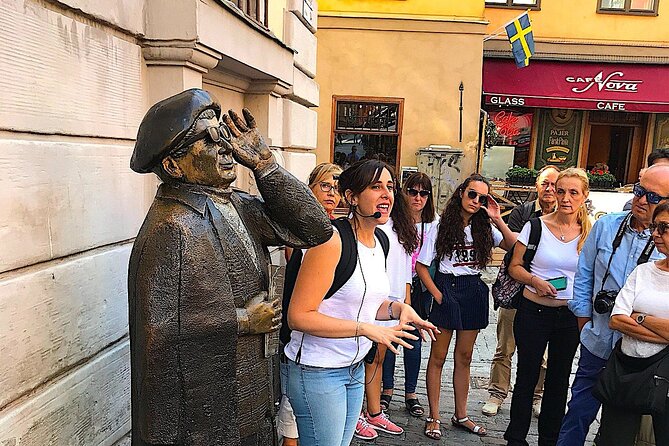
Stockholm moves fast, so this helps you slow down. The Stockholm City tour gives you a 2-hour street-level route through central Stockholm with an English-speaking guide, focusing on what you can see right outside your door. You’ll get context for the city’s modern identity, without the time sink of indoor visits.
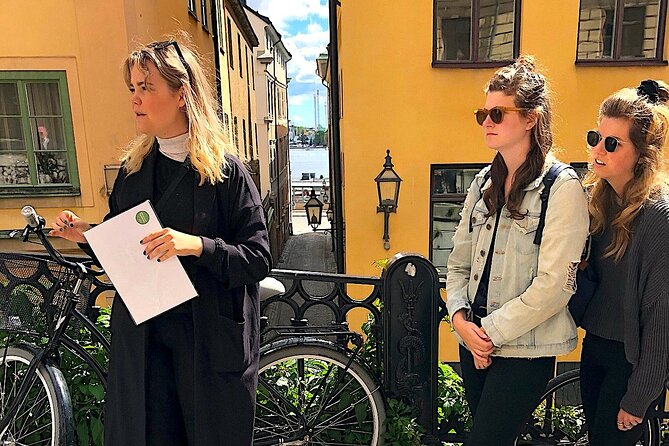
What I like most is the mix of “you are here” sights and real explanations. The stops are mostly outdoor, photo-friendly landmarks, like Stockholm City Hall with its Three Crowns tower and the grand Parliament-area settings, so you never feel stuck in a lecture hall. I also like the pacing for a group this size, with guides such as Stefan, Sophia, Karl, and Amon encouraging questions and keeping things practical.
One thing to consider: if you’re sensitive to noise or walking for a solid couple of hours, plan accordingly. Some people report it can be hard to hear at times due to street noise or audio issues, and the walk can feel tiring for those with physical limits.
In This Review
- Key highlights you will feel on this walk
- Why this 2-hour Stockholm route is a smart first-day move
- Meeting point, ending near Dramaten, and the public-tour reality
- What the price actually buys you at $3.55 per person
- Stop 1: Outside Stockholm Central, meet Nils Ericson and the railway story
- Stop 2: Stockholm City Hall, red brick, Three Crowns, and what happens inside
- Stop 3: Drottninggatan, a pedestrian shopping street you can actually use
- Stop 4: Parliament House on Helgeandsholmen, democracy made visible
- Stop 5: Gustav II Adolf statue, why this war leader is everywhere
- Stop 6: Royal Swedish Opera area, culture without the ticket line
- Stop 7: Sankt Jacobs kyrka, red facade, Gothic and Renaissance mix
- Stop 8: Berzelii Park, a pause of green and monuments
- Stop 9: The Royal Stables, royal carriages and ceremonial horse life
- Stop 10 and 11: Kungsträdgården and Karl XII’s statue, culture meets the street
- Stop 12: Royal Dramatic Theatre (Dramaten), your convenient finish point
- Guide quality and what to do if hearing gets tough
- Who should book this Stockholm City-center walk
- Quick value check: what you get for your time
- Should you book this tour?
- FAQ
- Is this a private tour?
- How long is the walking tour?
- What time and where does the tour start?
- Where does the tour end?
- What does the ticket include?
- Does the tour include indoor visits?
- Are entry tickets included for all stops?
- What is the price?
- Are service animals allowed?
- Is tipping included in the price?
Key highlights you will feel on this walk
- Small public group with a maximum of 27 people, so it stays conversational rather than chaotic
- Outdoor-first route that helps you learn fast without lining up inside buildings
- City Hall, Parliament, and opera district stops that connect Stockholm’s power, culture, and daily life
- Guides like Stefan, Sophia, Karl, and Amon who bring stories that keep it from feeling like a checklist
- Mobile ticket for easy entry to a public tour
- Two stops with paid entry not included if you want to go inside on your own time
Stockholm is a big menu. Here is what else we tried
- Stockholm: City Archipelago Sightseeing Cruise with Guide★ 4.3 · 10,798 reviews
- Stockholm: Skansen Open-Air Museum Admission Ticket★ 4.5 · 3,427 reviews
- Stockholm: Archipelago Boat Tour★ 4.4 · 3,110 reviews
- Stockholm: Highlights Boat Tour★ 4.3 · 2,542 reviews
Why this 2-hour Stockholm route is a smart first-day move
If you only have a day or two in Stockholm, the city can feel split into “islands” and “neighborhoods” faster than your brain can map it. This walk helps you sort out the center by sight lines and by names. You start near the main rail station, then you move through civic landmarks, shopping streets, parks, and performance venues.
The best part is the focus on orientation. You’ll get a clear sense of where major institutions sit in relation to each other. Then later, when you wander on your own, your routes make more sense. That is the real value of a short guided walk.
Because it is a public tour, it is not trying to be custom or quiet. Instead, it is built to work for a group. You’ll likely do more looking, less waiting, and come away with a working mental map.
Meeting point, ending near Dramaten, and the public-tour reality
The tour starts at Centralplan 15, 111 20 Stockholm, and it typically ends close to the Royal Dramatic Theatre, Dramaten, at Nybroplan, 111 47 Stockholm. Starting near Stockholm Central makes it easy to slot into your day, especially if you are arriving by train.
You’ll also want to remember it is not private. You are joining a public group with other participants, and the operator caps the group at 27. That usually keeps the tour lively, but it also means you are sharing attention and space. If you need a lot of personal space or you strongly prefer a silent tour, you may want a different style of experience.
Timing matters too. The tour runs for about two hours and starts at 11:00 am. Arriving a few minutes early helps you find your guide without rushing. It is also when you get settled before the first stop starts turning into a photo sprint.
What the price actually buys you at $3.55 per person
At $3.55 per person, you are paying for guide time, a structured route, and the ability to learn without building a research plan first. In a city where paid guided experiences can climb fast, this pricing is the main reason people book it quickly.
Now for the honest part: at this price, you should expect the tour to run like a practical neighborhood walk, not a museum-style guided program. The stops are meaningful, but you do not get a full indoor itinerary. You are there for the city outside, with explanations that connect what you see to how Stockholm works.
If you want low cost plus strong orientation, this fits. If you expect an indoor-heavy tour with lots of ticketed access, you may feel like you are doing more walking than visiting.
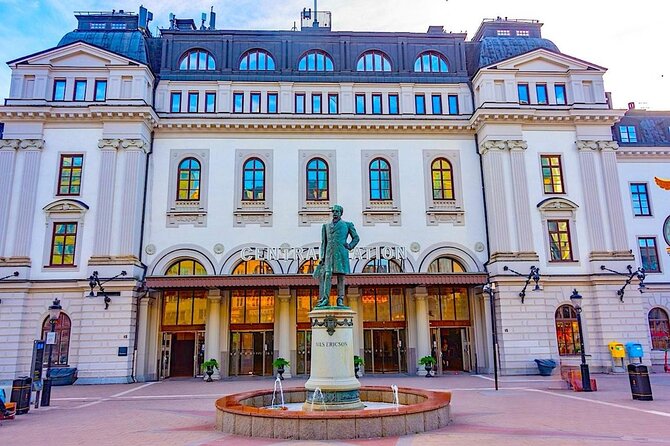
Stop 1: Outside Stockholm Central, meet Nils Ericson and the railway story
Your first major “big name” moment is the Statue of Nils Ericson, located outside Stockholm Central Station. This bronze sculpture honors Swedish engineer Nils Ericson, known for modernizing railways and canals.
Why this stop matters: it is an easy entry point into the city’s infrastructure story. You start your walk with the idea that Stockholm became modern through engineering and connections, not just through art and architecture. It also gives you a landmark you can reference later when you are trying to get back to the station.
The admission here is free, and the stop is short, about five minutes. Treat it as a momentum start, not a long scene-setter.
More Swedish streets covered on foot
Stop 2: Stockholm City Hall, red brick, Three Crowns, and what happens inside
Next is Stockholm City Hall, with its red brick and the golden Three Crowns spire. Completed in 1923, it’s known for hosting the Nobel Prize banquet and official events.
Even if the tour keeps things outdoors, you will still get a lot out of this stop. The guide can point out why this building is visually recognizable from near and far. And the Nobel reference helps explain the city’s role on the global stage, at least in how Stockholm markets itself.
The tower is often a highlight for views, but entry details are not part of what you should assume here. Plan for this as a major photo and orientation stop. Admission is listed as free for this point, and the stop lasts around ten minutes.
Stop 3: Drottninggatan, a pedestrian shopping street you can actually use
Then you hit Drottninggatan, Stockholm’s pedestrian shopping street. The street stretches from Gamla Stan toward Observatorielunden, lined with shops, cafés, and places that feel like everyday Stockholm, not just souvenir lanes.
This is one of the most practical stops. If you are wondering where to walk for food, shopping, or just a break from landmark hunting, this is where you learn the rhythm of the center. You also see how the city stitches older areas to more modern commercial life.
It’s about ten minutes, with free admission listed. Even if you do not plan to shop, walk it slowly for a minute or two before the group moves on. It helps you feel the city’s daily flow.
Stop 4: Parliament House on Helgeandsholmen, democracy made visible
The Parliament Building, or Riksdagshuset, sits on Helgeandsholmen Island in central Stockholm. You’ll see its neo-Gothic presence and learn how it functions as the seat of the Swedish Parliament.
The building’s construction dates are given as 1897 to 1905, and the architect is Aron Johansson. The guide can help you understand why this area is designed to look monumental and serious. This is Stockholm’s “power center” made physical.
A key detail: the itinerary marks admission here as not included. That matters if you were hoping to walk in. Since the tour does not include indoor visits, you should treat this as a strong exterior stop. If you want interior access, you would need separate plans.
This stop is the longest in the civic cluster at about 15 minutes.
Stop 5: Gustav II Adolf statue, why this war leader is everywhere
After the Parliament area, you’ll reach the Gustav II Adolfs Statue in Gustav Adolfs Torg. It honors Gustav II Adolf, often called the Lion of the North, tied to the Thirty Years’ War.
The statue was unveiled in 1796 and shows the king in a commanding pose. This is a quick stop, about five minutes, with free admission listed.
Why I like this one: it is a reminder that Stockholm’s public space carries political meaning, not just decorative beauty. The king’s presence in the square helps explain why statues in Stockholm feel like part of civic identity, not random photo props.
Stop 6: Royal Swedish Opera area, culture without the ticket line
Next you’ll be in the orbit of the Royal Swedish Opera. The current building was inaugurated in 1898, replacing an older 18th-century structure. It is described as neo-classical with French Baroque influences, and it is the country’s premier opera stage.
The itinerary lists admission here as not included. That aligns with the tour approach of staying outdoors. So you’ll get to see the setting and understand why the opera house is a central cultural landmark, without committing to indoor tickets.
This stop is about ten minutes, but it sets you up for the next string of culture venues around Kungsträdgården.
Stop 7: Sankt Jacobs kyrka, red facade, Gothic and Renaissance mix
S:t Jacobs Kyrka, or Saint James’s Church, is near Kungsträdgården. It features a striking red façade and blends Gothic and Renaissance architecture.
The church is dedicated to Saint James, patron saint of pilgrims, and dates back to the 1600s. The tour notes it’s known for a beautiful interior and an impressive organ, but again, expect this to be an exterior-focused learning stop.
This point runs about ten minutes and has free admission listed. It also gives you a change of pace from civic and performance buildings, adding a more human-scale historic touch to the route.
Stop 8: Berzelii Park, a pause of green and monuments
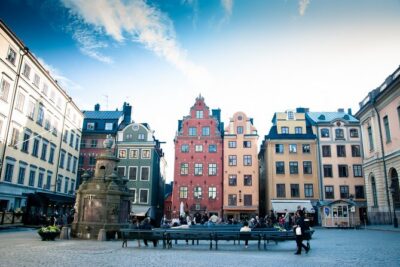
Berzelii Park is a mid-walk reset. Established in 1853, it is named after chemist Jöns Jacob Berzelius. The park includes statues and the Berzelius monument, unveiled in 1858, and it sits by Norrmalm near the Royal Dramatic Theatre.
This stop is about 15 minutes, with free admission listed. If you feel the walk building up in your legs, this is the time to stand still for a minute. Parks are where the guide’s stories often land best, because you can look around without constantly tracking foot traffic.
It is also a good moment to re-check your bearings. You will soon end up right near Dramaten, so seeing the park’s location helps anchor the final part of the tour.
Stop 9: The Royal Stables, royal carriages and ceremonial horse life
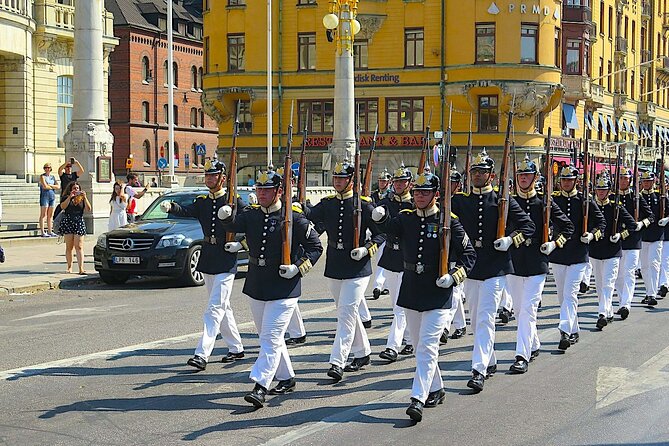
The Royal Stables, H.M. Konungens Hovstall, preserve Sweden’s royal equestrian traditions. This stop focuses on the royal carriages and ceremonial harnesses, plus the horses used for state occasions.
The itinerary lists this stop as free admission, about ten minutes. The phrasing suggests you can explore guided tours showcasing stables and a carriage museum, but because the overall tour is outdoors, think of this as an introduction point. You can decide what to do later if you want deeper access.
This is the most “different” stop in the middle of the civic and culture route. It connects monarchy, tradition, and the visual pageantry that visitors often only see at major events.
Stop 10 and 11: Kungsträdgården and Karl XII’s statue, culture meets the street
Now you are in Kungsträdgården, tied to opera culture and performance. The tour calls out Kungsträdgården Opera as a key venue for opera in Scandinavia. It also highlights acoustic excellence and that the venue has hosted many notable premieres and performances.
Then you’ll see Karl XII staty Kungstradgarden, Charles XII’s Square. It was established in 1854 and named after King Charles XII. The statue was erected in 1868 and marks the king’s military prowess. The square works as a meeting point and hosts public events.
Both stops are marked with free admission, each about ten minutes. This is a great “people-watching” zone, even if you stay mostly in guided mode. You’ll see how culture venues and public squares overlap in Stockholm’s daily routine.
Stop 12: Royal Dramatic Theatre (Dramaten), your convenient finish point
The tour ends at the Royal Dramatic Theatre, Kungliga Dramatiska Teatern, established in 1788. The Art Nouveau building was completed in 1908 and is Sweden’s main stage for spoken drama.
A neat detail tied to this place is that the institution launched careers, including Greta Garbo. Even if you are not here for a show, it is a fitting end. Dramaten is a recognizable destination with plenty of onward travel options.
This final stop is about ten minutes, and the tour’s ending location matches it closely.
Guide quality and what to do if hearing gets tough
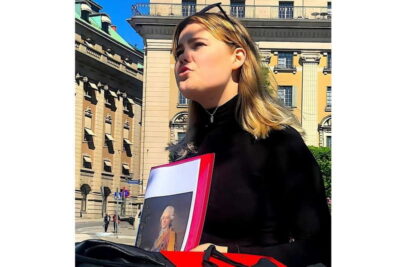
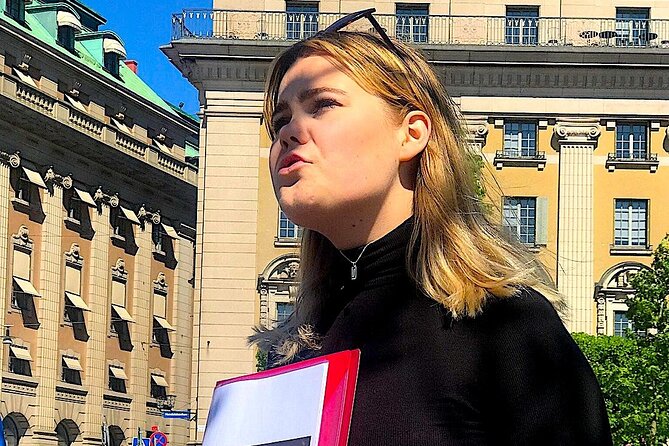
A big reason people rate this tour well is the guide style. Guides such as Stefan and Sophia are described as professional, on time, and never boring. Others like Amon and Karl are praised for answering questions and adding anecdotes that keep the walk feeling alive.
Still, there are two practical issues you should take seriously. First, street noise can make it hard to catch every word, especially at intersections or busy stretches like Drottninggatan. Second, one account notes audio or microphone problems, meaning the guide voice was sometimes strong and sometimes not.
What you can do:
- Stand closer to the guide during crossings and at stops.
- If you rely on audio, choose a spot where you can see the guide’s mouth and gestures.
- Bring a basic plan to just enjoy the buildings even if you miss a few sentences.
Also note one comment about an iPad being hard to see in bright sunlight. That’s not a dealbreaker, but it’s a reminder that this is a walking tour where you should prioritize what is in front of you, not the screen.
Who should book this Stockholm City-center walk
This tour is a strong fit if you want:
- A fast orientation to central Stockholm
- A low-cost introduction to civic sites, shopping streets, parks, churches, and performance venues
- A guided route with room for questions in a group capped at 27
It may not be the best fit if you:
- Need a very quiet experience, since it is public and outdoors
- Have limited mobility, because multiple landmarks plus street walking can feel tiring
- Want lots of indoor access, since the tour does not include indoor visits
If you are a first-timer, I like doing this early in your stay. You’ll know where to go on your own later, and you’ll understand what you’re looking at.
Quick value check: what you get for your time
You spend about two hours on foot. For $3.55, you get a guided structure, a route that hits major central landmarks, and plenty of free admission stops. The only likely “miss” for some people is that certain iconic buildings have admission not included. That’s not a flaw, it’s just the tour’s format: you get the city outside first.
On a cost-per-learning-hour basis, this is a bargain. On a comfort-per-step basis, you still need to be ready for normal city walking.
Should you book this tour?
Yes, if you want a smart, budget-friendly way to get oriented in central Stockholm and you are fine with an outdoor, public walking format. The route connects major points like City Hall, Parliament, opera culture areas, and classic statues, so you finish with a clearer sense of how Stockholm is laid out and what matters.
I would think twice if you are sensitive to hearing issues, walking discomfort, or you expect lots of indoor entry. In that case, you may prefer a different style of tour with quieter logistics or ticketed building access.
Either way, start early in your trip and treat it like a map you can walk. That’s when it delivers the most value.
FAQ
Is this a private tour?
No. This is a public walking tour with other participants. The group size is limited, with a maximum of 27 travelers.
How long is the walking tour?
It lasts about 2 hours (approx.).
What time and where does the tour start?
It starts at 11:00 am at Centralplan 15, 111 20 Stockholm, Sweden.
Where does the tour end?
The tour usually ends close to the Royal Dramatic Theatre, Dramaten, at Nybroplan, 111 47 Stockholm, Sweden.
What does the ticket include?
You’ll get a mobile ticket. An English-speaking guide is included.
Does the tour include indoor visits?
No. The tour does not include indoor visits, so you stay focused on the outdoor city experience.
Are entry tickets included for all stops?
Not all. Some stops list free admission, while Parliament Building and the Royal Swedish Opera list admission as not included.
What is the price?
The price is $3.55 per person.
Are service animals allowed?
Yes, service animals are allowed.
Is tipping included in the price?
Tip is not included.
Other Swedish Outings We Reviewed



Reviewed Across Sweden



Stockholm, A Few More Ways
Other Swedish trips from the review pile
- ROYAL Castle Skokloster and Viking Sigtuna (private tour)
★ 4.5 · 3 reviews - Stockholm Port to Stockholm Arlanda Airport (ARN) – Departure Private Transfer
★ 3.5 · 3 reviews - Stockholm Ghost Hunt: Self-Guided Tour and Puzzle Adventure
★ 4.5 · 3 reviews - Private Photography workshop in Stockholm
★ 5.0 · 3 reviews - Private blood, ghosts and folklore Old Town 2h Stockholm tour
★ 4.0 · 3 reviews - Ghosts of Stockholm: A Guided Tour of Horror and Dark Folklore
★ 4.5 · 3 reviews
Stockholm City Tours, compared.
 ★ 4.3City Archipelago Sightseeing Cruise with GuideFrom $4110,798 reviews
 ★ 4.5Skansen Open-Air Museum Admission TicketFrom $273,427 reviews
 ★ 4.4Archipelago Boat TourFrom $393,110 reviews
 ★ 4.3Highlights Boat TourFrom $392,542 reviews
 ★ 4.1Stockholm Pass: Save up to 50% – Includes Vasa Museum TicketFrom $952,392 reviews
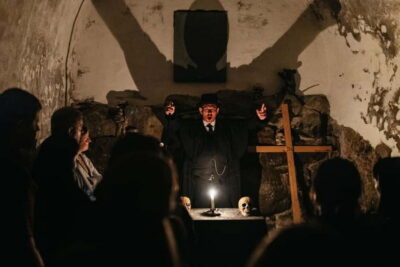 ★ 4.7Ghost Walk and Historical TourFrom $312,206 reviews
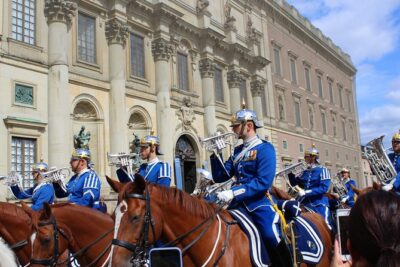 ★ 5.0Walking Tour of Stockholm Old TownFrom $241,175 reviews
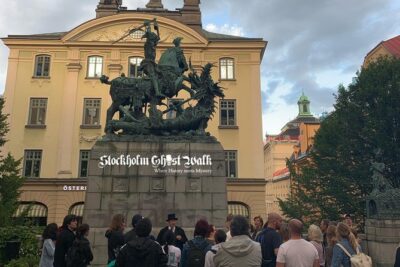 ★ 4.5The Original Stockholm Ghost Walk and Historical Tour – Gamla StanFrom $381,165 reviews
Browse the lists this tour appears in