
REVIEW · WILDLIFE & MOOSE SAFARIS
Wolf and Wildlife Tracking in Sweden
Cold air. Wolf signs. Real wilderness.
This is a wolf tracking outing in the wild around Stockholm where you follow clues like footprints, kills, and droppings, then listen for the thin sound of a howl. What I like most is the hands-on way you learn to read the land, and the fact that the day is built around expert guide judgement, not a promise of a wolf sighting.
One thing to plan for: wolves are unpredictable. Even the best effort cannot guarantee a sighting, and the team does not feed or attract wolves in any way.
In This Review
- Key Points You’ll Care About
- Wolf Territory, Not a Zoo Day
- The Sormlandsleden Area and What “Tracking” Feels Like
- The 6 km Hike: Route Changes You’ll Feel in Real Time
- Winter Wonderland: Walking Frozen Lakes for Wolf Traces
- The Howling Experience on a Hilltop
- Guides, Gear, and the Small-Group Advantage
- Price and Value: Is $215.95 Worth It?
- Weather Rules and Why They Matter for Wolves
- Who Should Book This Wolf Tracking Day?
- Should You Book This Tour?
- FAQ
- How long is the wolf tracking experience?
- Where is the meeting point in Stockholm?
- How many people are in a group?
- Is the tour offered in English?
- What’s included in the price?
- Is transport from my hotel included?
- Do you guarantee that you will see wolves?
- What happens during the howling part of the day?
- Is a mobile ticket used?
- What is the cancellation window?
Key Points You’ll Care About
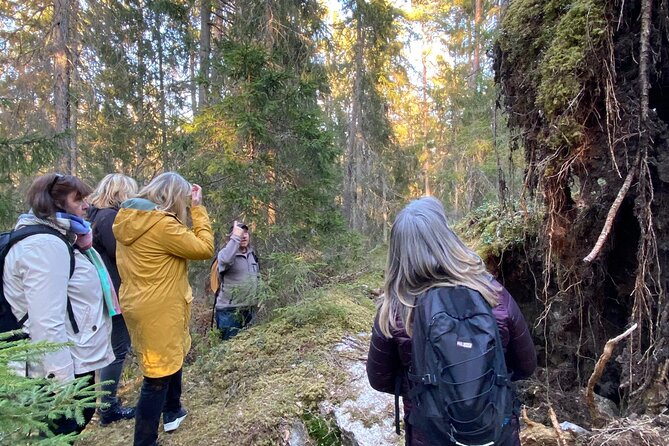
- 6 km route that can change based on wind direction and fresh animal activity
- Binoculars and night vision included, so you can actually search properly
- Frozen lake walking in winter to follow wolf traces
- Howling from a hilltop for a chance of a response (often, not always)
- Small group size, capped at 8 travelers, for more attention in the field
More Swedish forest evenings spent watching for antlers
- From Stockholm: Moose & Wildlife Safari with Campfire Dinner★ 4.5 · 269 reviews
- Evening Wildlife Safari with Campfire Dinner from Stockholm★ 4.5 · 155 reviews
- Stockholm: Evening Wildlife Safari with Midsummer Meal★ 4.2 · 130 reviews
- Evening Wildlife Safari from Stockholm★ 4.0 · 83 reviews
Wolf Territory, Not a Zoo Day
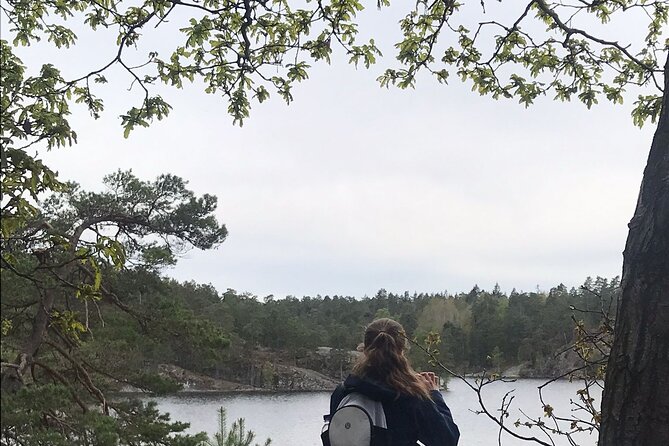
If you’re hoping for a guaranteed wolf encounter, reset expectations now. This experience is about tracking wolf presence through evidence. You’re not brought to a feeder site. You’re not chasing a staged animal. You’re in real territory, using the signs wolves leave behind.
That hands-on focus is the core value. Your guide looks at details like where wolves have been moving, what they’ve likely been hunting, and how the wind might carry sound. You spend time tracking the types of evidence that tell a story, then you shift to listening for calls, too.
A nice bonus is what you learn about Swedish wildlife in general. Guides are trained in wolf behaviour and migratory patterns, so the day becomes more than a hunt for a glimpse. It turns into a nature lesson that helps you understand why wolves show up where they do, and why they might not be around when you want them most.
The Sormlandsleden Area and What “Tracking” Feels Like
Most days start with a drive out from the provider’s office in Stockholm, then you head toward Sormlandsleden. This is the kind of area that makes sense for wolf territory exploration, because the goal is to be in the wolves’ natural space, not inside a fenced attraction.
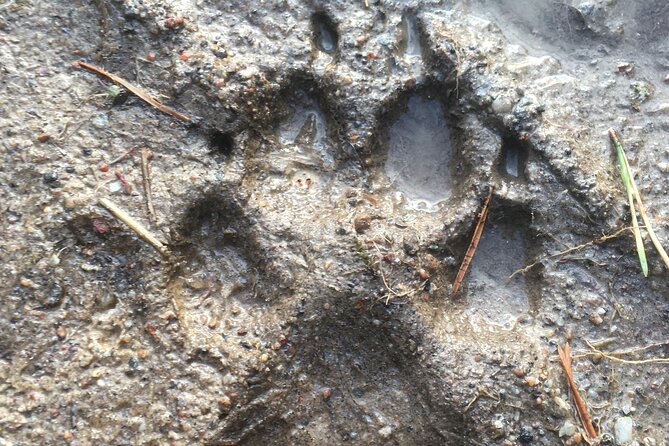
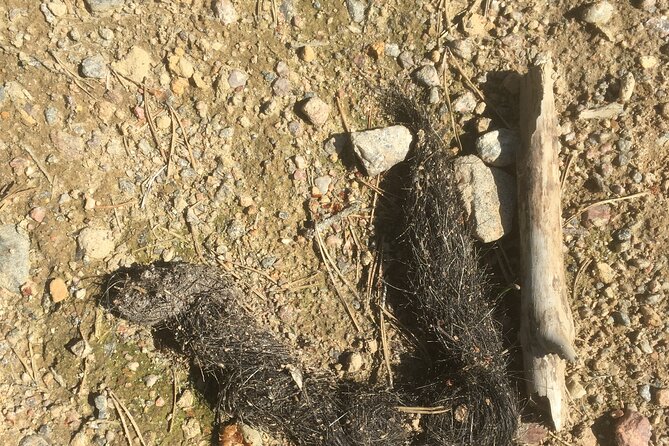
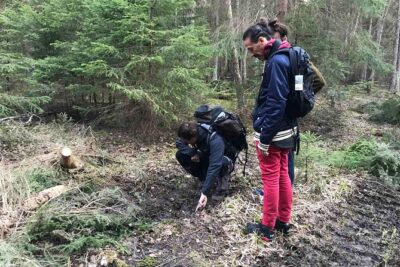
Once you’re out there, tracking becomes physical and attentive. You’re moving on a trail-like route, but you’re also stopping often to interpret signs. You’ll look for footprints and other traces, and you may encounter areas linked to wolf activity, including droppings. Yes, you can even smell wolf sign. That detail came up in a real-world account, and it’s a reminder that tracking is authentic. Nature is not sanitized for tourists.
What you should remember is how the guide reads those signs. The route is not fixed like a sightseeing walk. The guide adjusts based on wind direction, animal activity, and other factors. That means you’re more likely to be in the right place at the right time, because you’re responding to the environment instead of marching down a schedule.
Also, your group is kept small, which matters here. In wolf country, one person walking the wrong way can ruin the team’s read on scent or sound. A small group keeps it manageable.
The 6 km Hike: Route Changes You’ll Feel in Real Time
The day includes a 6 km hike, paced for field tracking rather than fitness bragging rights. Expect it to feel like a guided nature walk where you stop to look, then start again. It is not a long-distance trek for endurance athletes, but it does require comfort walking in winter conditions if you go in the cold season.
Here’s the practical part: the guide changes the route using wind direction and what animals are doing. That’s not just for dramatic storytelling. Wind affects scent, and scent affects whether wolves are near enough to be detected by their signs or their calls.
So, you should go in ready to be flexible. If the guide feels you’ll do better moving one direction, you’ll move. If animal activity suggests a better patch, you’ll shift there. That flexibility is one of the biggest reasons this feels like real field work.
On top of that, you’re using provided equipment. Binoculars help you search from safer distances. Night vision adds a big advantage during low-light moments in colder months. Even if wolves stay invisible, you’re not just wandering. You’re actively searching.
Winter Wonderland: Walking Frozen Lakes for Wolf Traces
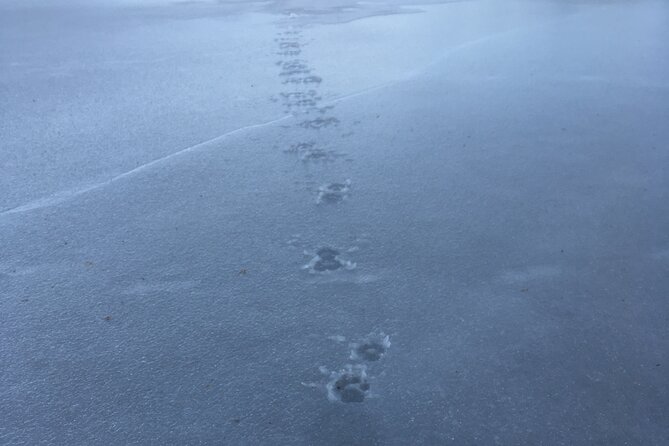
Winter changes the whole style of tracking. In the colder season, you may walk on frozen lakes to follow wolf traces. This is the part many people remember because it’s visually striking and a bit surreal, and it can feel like stepping into a detective scene.
It also comes with reality checks. Frozen terrain can be slippery, and sound can carry differently across ice. You need to move carefully and trust the guide’s judgement. In one account, a guide member fell during frozen lake walking, which is a reminder that winter travel is never perfectly risk-free. The good news is that the day is guided by people who are already operating in those conditions.
If you’re considering this in winter, focus on traction and warmth. Comfortable boots with grip matter. Warm layers matter. You don’t want a day where you’re shivering through the exact moment the team is searching for signs.
Also, frozen lakes can shift the way you “read” tracks. Tracks and impressions can be clearer, but they can also be deceptive if wind and snow have covered edges. Your guide’s expertise is what turns those impressions into meaningful information.
More wild Sweden, reviewed
The Howling Experience on a Hilltop
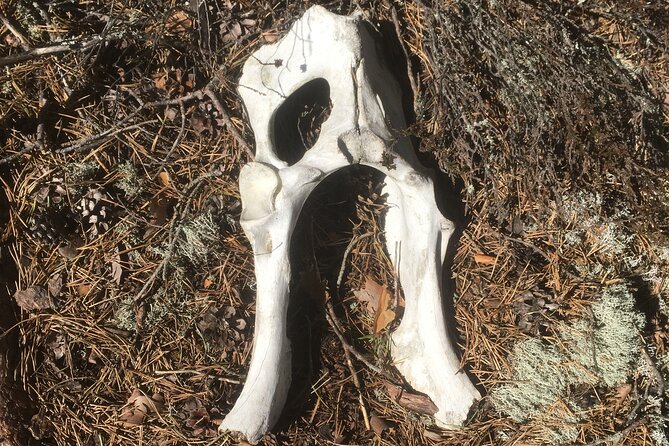
Later in the day, you may climb to a hilltop for a howling moment. This is set up as a call-and-response style experience, where your guide howls to call wolves in the area.
Now for the honest part. A response is not guaranteed. Wolves are wild animals with their own priorities, and they might not answer for many reasons, including distance, weather, or what they’re doing in their territory. One real-world account described a guide trying to get wolves to answer and not getting any reply. That’s normal wolf behaviour.
Still, the value is in the process. Howling at the right time and from the right position can be exciting, and it gives you a direct way to connect with what you’ve been tracking. You spend hours learning what signs mean, then you try to use sound as another clue.
If you’re sensitive to noise, keep in mind the howling is part of the experience plan, but it’s guided. You’ll be instructed, and the group stays focused so you don’t accidentally create chaos in the field.
And when wolves do respond, even briefly, it turns the day into something memorable. Not because you “won” wildlife, but because your timing and attention lined up with their world.
Guides, Gear, and the Small-Group Advantage
The trip runs with experienced guides who understand wolf behaviour and migratory patterns. The guide’s job is not just to talk. It’s to interpret what you’re seeing, decide where to go next, and keep the group moving in a way that helps you look responsibly in the wolves’ space.
This is where the small group size really earns its keep. With a maximum of 8 travelers, the guide can check in on what each person is noticing. You can ask questions. You can hear explanations clearly. And you’re less likely to spook animals just by having too many people moving randomly.
Your equipment is included. You get binoculars and night vision, plus snacks, coffee, and cookies. There’s also lunch in the form of a barbecue cooked over the fire. In cold weather, that kind of real break matters more than you think. It keeps you warm and helps you recharge so you can stay alert for the quieter, more subtle parts of the search.
A detail I really like: the day includes nature learning alongside the tracking. Guides bring context about wolves in that territory and how conditions can change over time. That kind of info helps you understand the difference between seeing evidence and seeing an animal.
One optional add-on: backpack rental is available for 100 kr per person. If you plan to carry gear or want an easy way to handle layers, it’s worth considering.
Price and Value: Is $215.95 Worth It?
$215.95 per person is not a cheap day trip. But in wolf territory, value comes from the things you can’t easily DIY.
You’re paying for:
- Expert guidance with wolf behaviour knowledge
- A 6 km hike planned around wind and animal activity, not just a set route
- Equipment like binoculars and night vision
- Real countryside time with transport from the office, plus lunch at a fire barbecue
- A small group, which improves your real tracking experience
What’s not included is also useful to know. Transport from your hotel is not included. Drinks other than coffee are not included. Personal travel insurance is also not included. And the optional backpack rental costs extra.
So the math depends on where you’re starting from. If you’re already planning to meet at the office, the included transport helps. If you need hotel pickup, you’ll spend extra time or money arranging that yourself.
From a value perspective, the biggest asset is the guide’s tracking judgement and equipment. Wolves are rare to spot, but you can still get a meaningful day by understanding what you’re seeing and where to look next.
Weather Rules and Why They Matter for Wolves
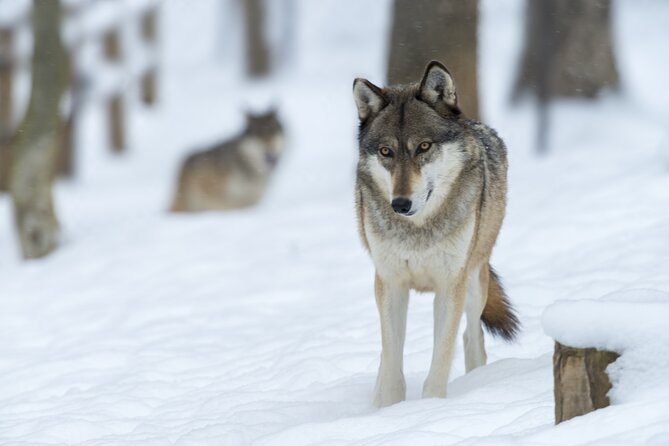
This experience requires good weather. If weather is poor, it may be canceled and you’ll be offered a different date or a full refund. That’s not just a business detail. Wolf tracking is sensitive to conditions.
Bad weather can reduce visibility, make signs harder to interpret, and change wind patterns. Wolves might be less active or your ability to track and listen correctly drops. So the team prioritizes operating when conditions give you the best chance of a worthwhile experience.
Practically, that means you should travel with some flexibility in your schedule. Booking farther ahead helps, and the tour tends to sell out. On average, this is booked about 190 days in advance, so picking your dates early is smart.
Who Should Book This Wolf Tracking Day?
This is a good fit if you want a real wildlife day where you learn to read the forest and not just take photos. It suits people who enjoy outdoor walking, paying attention to details, and asking questions.
You’ll also enjoy it if you like the idea of wolf communication via howling and listening. Even if a reply doesn’t happen, the day’s structure makes the attempt feel purposeful.
If you’re the type who needs constant action or instant sightings, you might find the unpredictability stressful. But if you can enjoy the process of tracking and learning, it’s a powerful way to experience Swedish wilderness.
The tour is in English, and most travelers can participate. It’s also limited to 8 people, which keeps it focused and manageable.
Should You Book This Tour?
If your goal is to see wolves no matter what, I wouldn’t count on it. The whole point is that wolves are wild and not fed or lured for you.
But if you want a guided, practical wolf tracking day with real field skills, small-group attention, binoculars and night vision, fire-cooked lunch, and a winter option that includes walking frozen lakes, then yes, I think it’s worth booking. You’ll leave with a sharper understanding of how wolves move and how to interpret their presence, even when they stay out of sight.
Book it early, and be ready for a weather-dependent outdoor experience. If those points fit your style, you’ll probably love this one.
FAQ
How long is the wolf tracking experience?
It lasts about 8 hours.
Where is the meeting point in Stockholm?
You start at True Nature Sweden AB, Tideliusgatan 62, 118 69 Stockholm, Sweden.
How many people are in a group?
The group is limited to a maximum of 8 travelers.
Is the tour offered in English?
Yes, it is offered in English.
What’s included in the price?
Transport from the office, lunch barbecue over the fire, binoculars and night vision, snacks, coffee and cookies, and an experienced guide.
Is transport from my hotel included?
No. Transport from your hotel is not included.
Do you guarantee that you will see wolves?
No. Wolves in the wilderness are unpredictable, and they are not fed or attracted.
What happens during the howling part of the day?
You go to a hilltop with the guide, who will howl to call wolves. Sometimes wolves respond, but it is not guaranteed.
Is a mobile ticket used?
Yes, it uses a mobile ticket.
What is the cancellation window?
Cancellation is free up to 24 hours before the experience start time for a full refund. If canceled due to poor weather, you’ll be offered a different date or a full refund.
Wild Sweden, Continued



Reviewed Across Sweden





Watching For Wildlife
Other Swedish trips from the review pile
- ROYAL Castle Skokloster and Viking Sigtuna (private tour)
★ 4.5 · 3 reviews - Stockholm Port to Stockholm Arlanda Airport (ARN) – Departure Private Transfer
★ 3.5 · 3 reviews - Stockholm Ghost Hunt: Self-Guided Tour and Puzzle Adventure
★ 4.5 · 3 reviews - Private Photography workshop in Stockholm
★ 5.0 · 3 reviews - Private blood, ghosts and folklore Old Town 2h Stockholm tour
★ 4.0 · 3 reviews - Ghosts of Stockholm: A Guided Tour of Horror and Dark Folklore
★ 4.5 · 3 reviews
Wildlife & Moose Safaris, compared.
 ★ 4.5From Stockholm: Moose & Wildlife Safari with Campfire DinnerFrom $151269 reviews
 ★ 5.0Moose safari in the wild Sweden TivedenFrom $134224 reviews
 ★ 4.5Evening Wildlife Safari with Campfire Dinner from StockholmFrom $166155 reviews
 ★ 4.2Evening Wildlife Safari with Midsummer MealFrom $177130 reviews
 ★ 4.0Evening Wildlife Safari from StockholmFrom $18283 reviews
 ★ 4.4Wildlife SafariFrom $15183 reviews
 ★ 4.5Evening Wildlife Safari StockholmFrom $16561 reviews
 ★ 5.0Explore the Norwegian Fjords and the Wildlife From AbiskoFrom $18155 reviews
Browse the lists this tour appears in