
REVIEW · STOCKHOLM
Bloody Stockholm 2h – ghosts, horror and Dark Folklore Tour
A street-level dark folklore walk in Stockholm. This one mixes Old Town alleys with grim tales of death, curses, and the vaesen you might not expect to hear about. If you want history that feels spooky but also grounded in place, this is a strong bet.
What I like most is the way the guide turns landmarks like Stortorget and S:t Jacobs Kyrka into stories you can actually picture. I also love the practical tone, the questions, and the small-group feel, with guides like Jonathan and Åsa known for making it lively and fun while still sticking to the facts.
One thing to consider: this is not a jump-scare ghost show. If you’re chasing nonstop folklore action at every second, you might find the balance tilts toward darker history and context more than constant monster spotting.
In This Review
- Quick hits before you go
- Dark folklore in Stockholm that actually matches the streets
- Meeting up by Stockholm’s prize monument, then into Old Town
- Stop 1: Stortorget and the folklore meaning of death
- Stop 2: Prästgatan, a street once called Hell
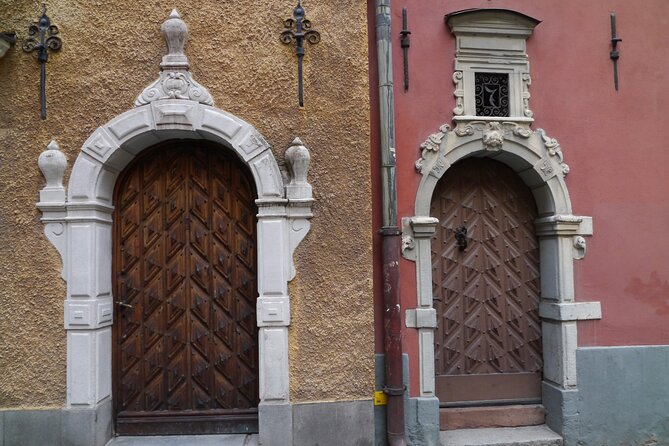
- Stop 3: Stockholm Old Town house doors, iron wards, and newborn protection
- Stop 4: Logårdstrappan and the water spirits that wanted you gone
- Stop 5: Kungsträdgården and the darker vaesen beyond the water
- Stop 6: S:t Jacobs Kyrka and church door protection, exorcism themes
- Guide style matters, and here it really does
- What you should bring for a comfortable dark walk
- Value check: what you get for your time
- Who should book this tour
- Should you book Bloody Stockholm’s ghosts, horror, and dark folklore tour?
- FAQ
- How long is the Bloody Stockholm dark folklore tour?
- Where do I meet the guide?
- Where does the tour end?
- Is the tour offered in English?
- Is a mobile ticket included?
- Do I need to pay extra entry fees at the stops?
- What is the maximum group size?
- Is the tour okay for most people?
- Are service animals allowed?
- What is the cancellation policy?
Quick hits before you go
- Stortorget, death and folklore in the open, with execution stories and the idea of using parts of the dead in old beliefs
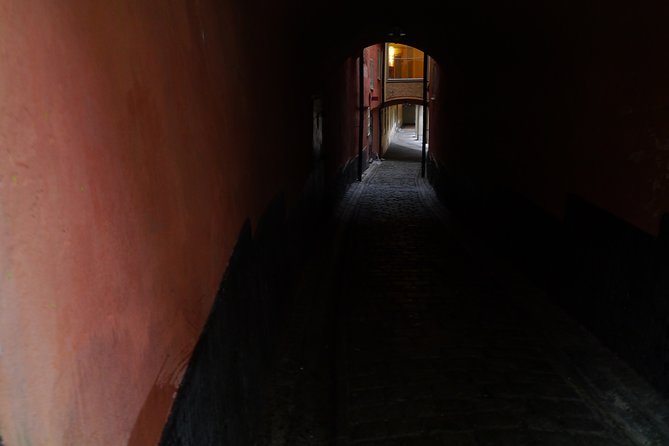
- Prästgatan, a lane with a nickname of Hell, where you learn why the street mattered to the people who lived there
- Door protections in Old Town houses, including iron wards and what to do for newborns before baptism
- Logårdstrappan and water spirits, from Näcken to sea-rå and skiprå, tied to drowning and luring
- S:t Jacobs Kyrka outside view, with talk of church doors, baptism protections, and exorcism themes
- Small group max 30, and a guide who keeps the walk interactive and question-friendly
Stockholm is a big menu. Here is what else we tried
- Stockholm: City Archipelago Sightseeing Cruise with Guide★ 4.3 · 10,798 reviews
- Stockholm: Skansen Open-Air Museum Admission Ticket★ 4.5 · 3,427 reviews
- Stockholm: Archipelago Boat Tour★ 4.4 · 3,110 reviews
- Stockholm: Highlights Boat Tour★ 4.3 · 2,542 reviews
Dark folklore in Stockholm that actually matches the streets
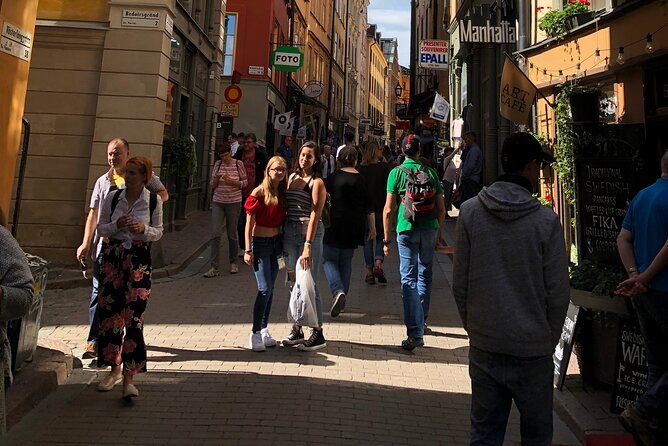
I love tours where the spooky part feels earned. Here, the atmosphere comes from walking through recognizable Old Town spaces and hearing how people once explained death, illness, and danger through folklore. You end up noticing details you would normally ignore, like where a door sits in relation to the street, or why certain corners feel heavier than others.
The tone is also a big part of the value. You’re not just hearing spooky captions. You get meaning, like why iron was used as protection, why water spirits mattered so much, and how churches and household rituals fit into the same worldview.
And yes, it is walking. The route keeps you moving through narrow streets and small changes in elevation. If it is raining, you’ll want a coat and proper shoes, because Old Town does not do slow, comfortable strolling when the weather is bad.
Meeting up by Stockholm’s prize monument, then into Old Town
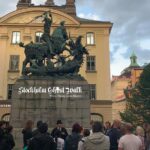
You start at Nobel Prize Museum, Stortorget 2. It is a clear, easy-to-find meeting point in central Old Town, and you can reach it with public transportation.
The tour ends at Saint Jacob’s Church (S:t Jacobs Kyrka), Västra Trädgårdsgatan 2A. From there, the route finishes just outside Old Town on the north side near Kungsträdgården, with a 10-minute walk back to the start. That ending setup is handy because you are not left stranded in the middle of nowhere.
Timing is about 1 hour 30 minutes. That is long enough to feel like a real experience, but short enough that you can still fit it into a packed day of museums and meals.
Stop 1: Stortorget and the folklore meaning of death
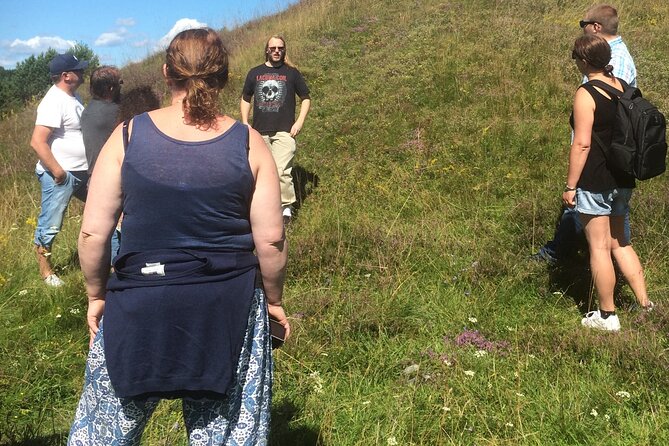
Your first stop is Stortorget, where you get a mix of local history and dark folklore. The story includes the executions linked to when the Danish King Kristian took Stockholm, including talk of around 90 people. That is heavy material, but the guide frames it in a way that connects place to belief, not just shock.
Then the tour shifts into the folklore angle. You hear about ideas like the magical use of body parts in old beliefs, including the notion that blood of the dead could be used for curses. The theme is unsettling, but what makes it interesting is the logic people used at the time. If you are trying to understand how fear turns into ritual, this is a strong starting point.
A potential drawback at this first stop is emotional pacing. If you prefer lighter stories early on, this start might feel blunt. But if you came for the darker side of Stockholm, it sets expectations quickly.
Stop 2: Prästgatan, a street once called Hell
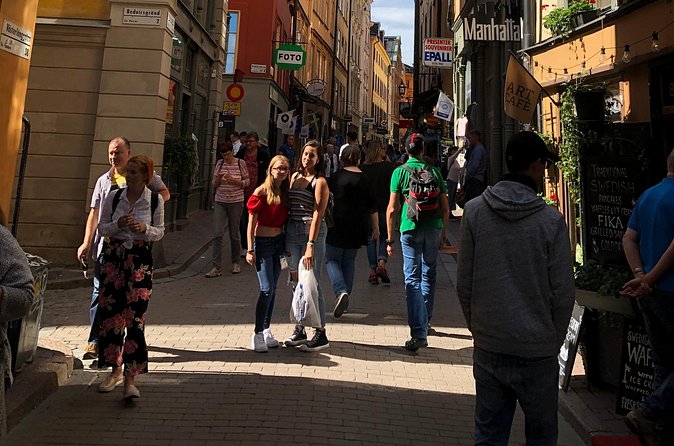
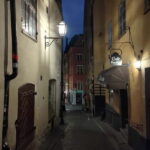
Next you move to Prästgatan, a street walk where you learn that the area was formerly named Hell. That single word is a great attention grab, because it makes you ask why a place would earn that reputation in everyday life.
What I like here is that it is not just a label. You get to link that name to the kind of social fear people had, and to the way Stockholm’s Old Town streets carry layers of meaning. You can look down a street and feel the difference between a peaceful view now and what it might have represented in the past.
This stop is short, about 10 minutes, so it works as a bridge. It keeps the tour moving without dragging.
More Swedish ghost stories told after dark
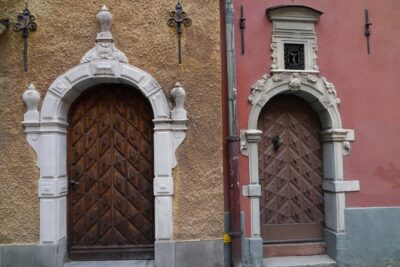
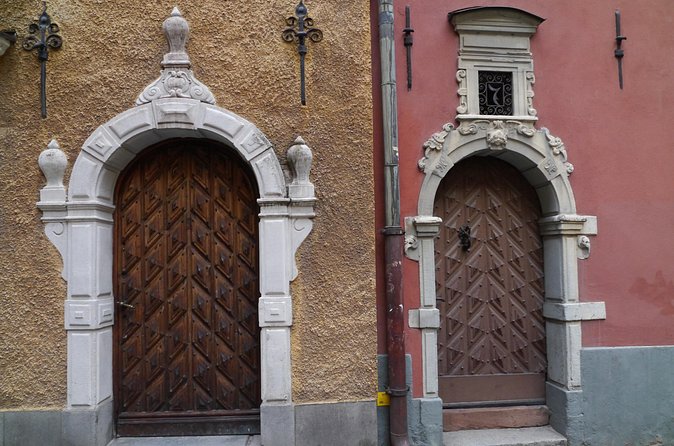
Stop 3: Stockholm Old Town house doors, iron wards, and newborn protection
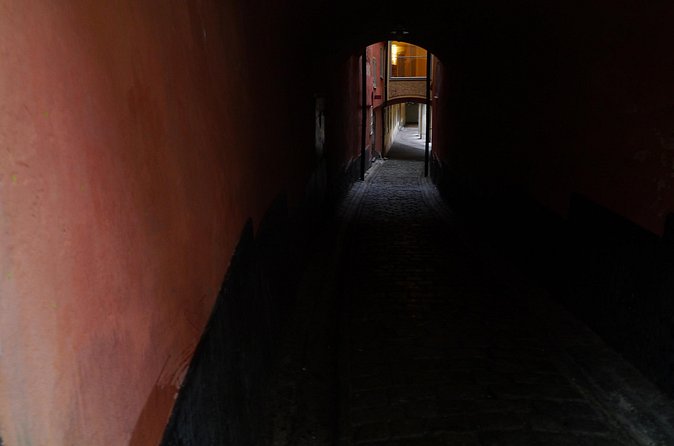
Now you step deeper into what makes this tour different from a basic “history walk.” At the door of a house, the guide talks about protection and how iron was used as a ward against vaesen.
You also hear about elves associated with mist and the idea of souls not getting rest. That theme matters because it explains why people built protection into daily life, not just in times of crisis. The tour also covers Swedish folklore figures like the tomte, which helps balance the darker content with something more recognizable in Sweden.
And then comes the very specific, very human part: door protection for the newborn before baptism. The guide explains why newborns were seen as vulnerable, and what protections people believed they should use. Even if you do not buy into the supernatural, this is a window into how people handled uncertainty with ritual.
This stop is also about attention. You will likely catch yourself watching doors, thresholds, and entryways as you walk. That makes the experience more memorable than a stop where you just stand and listen.
Stop 4: Logårdstrappan and the water spirits that wanted you gone
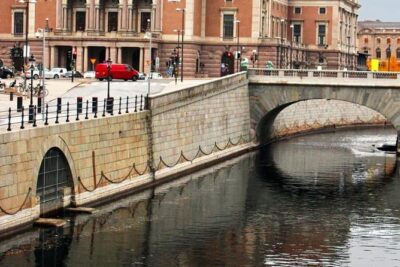
At Logårdstrappan, the theme turns from household protection to the danger of nature. The tour focuses on vaesen connected to water, with stories that feature Näcken, the bäckahästen (the Swedish take on a kelpie-like creature), the sjörå (sea-rå), and the skepps-rå.
The pattern in these stories is consistent: water spirits lure people, then drown them or pull them toward the deep. The guide uses these figures to explain a fear older communities had, because water is beautiful and dangerous. In a city built around waterways, that fear would not be abstract.
This stop is another about 10 minutes, so it stays focused. You get multiple creature names and their core “warning,” without the tour turning into a mythology textbook.
If you are prone to getting distracted, this is one of the stops where it helps to pay attention. The names stack quickly, and the fun comes from remembering the role each spirit played.
Stop 5: Kungsträdgården and the darker vaesen beyond the water
From Logårdstrappan you continue toward Kungsträdgården, where the tour expands into other vaesen. The guide covers ideas like the dangerous Skogsrået (also described in the tour as huldran) and the undead living child called Myrling.
This part is interesting because it shows how folklore addressed different kinds of threat. Water had its spirits. The forest had its spirits. Even the idea of a troubled child could turn into an explanation for what people could not control.
This stop runs about 20 minutes, so it is the longest one in the middle portion. If you love stories with more detail, this is where your interest will likely spike. If you want only the shortest possible stops, this is where you might want to stay fully present because you are getting more content per minute.
Stop 6: S:t Jacobs Kyrka and church door protection, exorcism themes
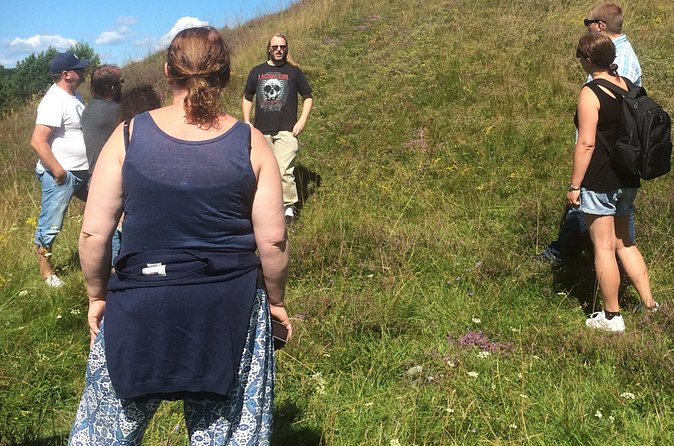
You finish at S:t Jacobs Kyrka area, continuing outside and using the church setting to talk about protection themes. The guide discusses the church door and the weak points of the church, then connects that to exorcism ideas around baptism.
There is also a darker angle about what to do if you had a worst enemy to punish. It sounds dramatic, but the point is to show how fear and conflict could be explained through supernatural frameworks and religious boundaries.
This stop is about 15 minutes. It gives the tour an ending rhythm, bringing the focus back from street-level protections to a bigger institution. Even if you came for folklore creatures, you leave with a clearer picture of how belief systems organized safety, blame, and hope.
Guide style matters, and here it really does
A lot of tours suffer from a guide who reads facts like a script. This one works because the guide style is built for interaction and pacing.
I like how guides such as Jonathan keep a sense of humor while staying respectful of the material. I also liked the way guides like Åsa come across as engaged and energetic, with enough clarity that you do not need to translate the story in your head.
Because the group can be up to 30 travelers, it is still large enough to be feasible on busy days. But it can feel more personal depending on how many people show up. If you like questions, you’ll probably appreciate that the guide is open to them.
What you should bring for a comfortable dark walk
There is no list in the provided info, but the practical reality is simple: you are walking on Old Town streets for about 1.5 hours. I’d plan for uneven pavement and narrow sidewalks.
- Wear good shoes with grip
- Bring layers, since the route can feel exposed
- If it is raining, a waterproof jacket helps a lot
Mobile ticket means you should have your phone charged. Service animals are allowed, which is a thoughtful touch.
Also, this is in English, so if you want a guided explanation rather than reading on signs, this language choice fits well.
Value check: what you get for your time
There is no pricing number provided here, so I can’t tell you what it costs in kronor. But I can help you evaluate the value based on what is included.
You get:
- A guide
- A route with multiple themed stops
- A tour that stays focused on folklore and darker history rather than random sightseeing
Also, each stop is marked as admission ticket free, which matters. You are paying for the guided story and interpretation, not additional museum entrances.
Duration is a real sweet spot at about 1 hour 30 minutes. If you’re visiting for a short time, this is the kind of activity that adds texture to Old Town without eating the whole evening.
Who should book this tour
Book this if you want:
- A dark folklore walk that feels connected to real places
- Stories that explain why people used protections like iron and how they thought about vaesen
- A guide-led route through Old Town that you can’t easily replicate from a map alone
Skip it if you want:
- A traditional ghost tour with scripted scares
- A nature walk or light cultural overview
It is also best for people who enjoy storytelling. If you like myths but also want anchors in local history, this hits the right balance.
Should you book Bloody Stockholm’s ghosts, horror, and dark folklore tour?
I’d book it if your ideal Stockholm evening includes narrow streets, a guide who keeps things moving, and folklore names you’ll actually remember. The standout value for me is the way the tour links beliefs to the physical world, doors, water steps, and church edges. You end up understanding how fear, religion, and daily protection fit together in one city.
If you’re sensitive to grim topics, you should know the tour starts with executions and death themes. You still get plenty of folklore after that, but it does not shy away from darkness.
Overall, it is a fun, focused way to see Old Town through a darker lens, and it feels like a specific Stockholm experience rather than a generic ghost walk.
FAQ
How long is the Bloody Stockholm dark folklore tour?
The duration is listed as approximately 1 hour 30 minutes.
Where do I meet the guide?
You start at the Nobel Prize Museum, Stortorget 2, 103 16 Stockholm, Sweden.
Where does the tour end?
It ends outside Saint Jacob’s Church, Västra Trädgårdsgatan 2A, 111 53 Stockholm, Sweden, near Kungsträdgården, with about a 10-minute walk back to the start.
Is the tour offered in English?
Yes, it is offered in English.
Is a mobile ticket included?
Yes, the tour includes a mobile ticket.
Do I need to pay extra entry fees at the stops?
The stops listed in the itinerary are marked as admission ticket free, so there are no additional admissions called out for those locations.
What is the maximum group size?
The tour has a maximum of 30 travelers.
Is the tour okay for most people?
It notes that most travelers can participate.
Are service animals allowed?
Yes, service animals are allowed.
What is the cancellation policy?
Cancellation is free up to 24 hours in advance for a full refund. If you cancel less than 24 hours before the start time, the amount paid is not refunded.
Reviewed Across Sweden





The Darker Walks

Stockholm, A Few More Ways
Other Swedish trips from the review pile
- ROYAL Castle Skokloster and Viking Sigtuna (private tour)
★ 4.5 · 3 reviews - Stockholm Port to Stockholm Arlanda Airport (ARN) – Departure Private Transfer
★ 3.5 · 3 reviews - Stockholm Ghost Hunt: Self-Guided Tour and Puzzle Adventure
★ 4.5 · 3 reviews - Private Photography workshop in Stockholm
★ 5.0 · 3 reviews - Private blood, ghosts and folklore Old Town 2h Stockholm tour
★ 4.0 · 3 reviews - Ghosts of Stockholm: A Guided Tour of Horror and Dark Folklore
★ 4.5 · 3 reviews
Stockholm City Tours, compared.
 ★ 4.3City Archipelago Sightseeing Cruise with GuideFrom $4110,798 reviews
 ★ 4.5Skansen Open-Air Museum Admission TicketFrom $273,427 reviews
 ★ 4.4Archipelago Boat TourFrom $393,110 reviews
 ★ 4.3Highlights Boat TourFrom $392,542 reviews
 ★ 4.1Stockholm Pass: Save up to 50% – Includes Vasa Museum TicketFrom $952,392 reviews
 ★ 4.7Ghost Walk and Historical TourFrom $312,206 reviews
 ★ 5.0Walking Tour of Stockholm Old TownFrom $241,175 reviews
 ★ 4.5The Original Stockholm Ghost Walk and Historical Tour – Gamla StanFrom $381,165 reviews
Browse the lists this tour appears in