
REVIEW · STOCKHOLM
Stockholm Syndrome Private Walking Tour
Stockholm has a talent for mixing drama with daily life. This private 3-hour walk pairs big sights with smart guide stories, and you get a personalized route instead of a mass-market shuffle. I love that you start in the center at Norrmalmstorg and finish in Södermalm, so the day feels like real progression, not backtracking.
I also like the rhythm of the tour: history on foot, then a traditional fika break, and time to ask questions as you go. One thing to consider is that the walk ends in a different neighborhood from where you start, so you’ll want a plan if you do not want to walk back.
In This Review
- Key things to know before you go
- Why this 3-hour private walk is great for first-time Stockholm
- Norrmalmstorg to Kungsträdgården: Stockholm syndrome and royal-city scenery
- Parliament and the Royal Palace area: power, symbols, and how Stockholm governs
- Storkyrkan to Stortorget: Gamla Stan’s medieval spine in walking form
- Crossing to Södermalm: Slussen, views, and the city’s alternative side
- Södermalm streets and Cornelisparken: authors, music, and where the tour ends
- What to watch for: entrances, cobblestones, and the end-of-tour distance
- Value check: $418.80 per person for a private guide and included fika
- Should you book the Stockholm Syndrome private walking tour?
- FAQ
- How long is the Stockholm private walking tour?
- Where does the tour start, and where does it end?
- What’s included in the tour price?
- Is this tour private or group-based?
- Which stops have entrance fees that are not included?
- What language is the tour offered in?
- Is there a walking or fitness requirement?
- Can I cancel for a full refund?
Key things to know before you go
- Stockholm syndrome starts in Norrmalmstorg: you’ll hear the early 1970s robbery and hostage story tied to this exact spot.
- A private format means real customization: tell your guide what you care about, and they can adjust the route and priorities.
- You’ll hit classic icons plus the Old Town edges: Parliament, Royal Palace area views, Gamla Stan streets, and Södermalm viewpoints.
- Entrance tickets are mixed: some major stops are not included, so budget a little for what you want to go into.
- Cobblestones and moderate walking: expect uneven ground and plan for a steady pace.
Stockholm is a big menu. Here is what else we tried
- Stockholm: City Archipelago Sightseeing Cruise with Guide★ 4.3 · 10,798 reviews
- Stockholm: Skansen Open-Air Museum Admission Ticket★ 4.5 · 3,427 reviews
- Stockholm: Archipelago Boat Tour★ 4.4 · 3,110 reviews
- Stockholm: Highlights Boat Tour★ 4.3 · 2,542 reviews
Why this 3-hour private walk is great for first-time Stockholm
If it’s your first time in Stockholm, this kind of tour helps you do two things fast: learn the city’s layout, and decide what’s worth a longer stop later. A private walking format matters because Stockholm is made for slow looking, not rushing, and your guide can steer you toward what you want.
You also get a built-in structure that avoids the most common mistake, wandering without a thread. Here, the thread is place-based history, from Norrmalmstorg to Gamla Stan to Södermalm, with stops that make the story feel tangible.
Norrmalmstorg to Kungsträdgården: Stockholm syndrome and royal-city scenery
Your tour starts at Norrmalmstorg, right in the central town-square area. This is where the term Stockholm syndrome is tied to a real 1970s robbery and hostage situation, and your guide uses that backdrop to explain how the name became part of modern language. It’s an unusual opening, and that novelty is the point, it makes you pay attention from minute one.
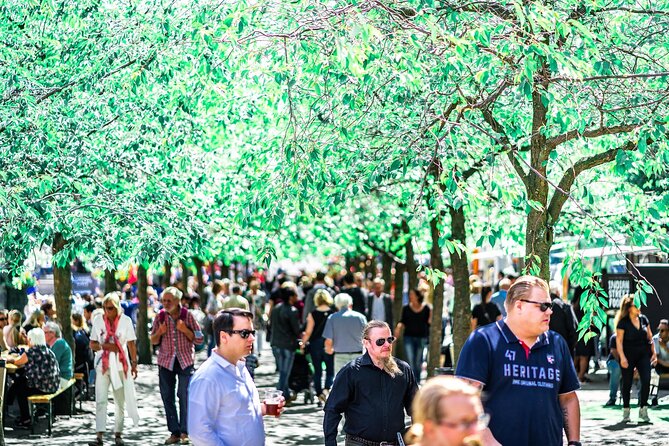
From there, you move toward Kungsträdgården (King’s Garden), a central gathering spot with roots reaching back to the 1400s. You’ll learn it began as a royal kitchen garden, later passed to the public, and today it’s one of the city’s main meeting places. If you like places that are both historic and still used daily, this is a good early signal.
The walk also passes the Royal Dramatic Theatre (Kungliga Dramatiska Teatern) near Nybroplan. Even if you never buy a ticket, seeing a major national stage helps you understand Stockholm’s cultural life, from Swedish theater to performers you might recognize. It’s short, but it places you in the right mood for the rest of the day.
Parliament and the Royal Palace area: power, symbols, and how Stockholm governs
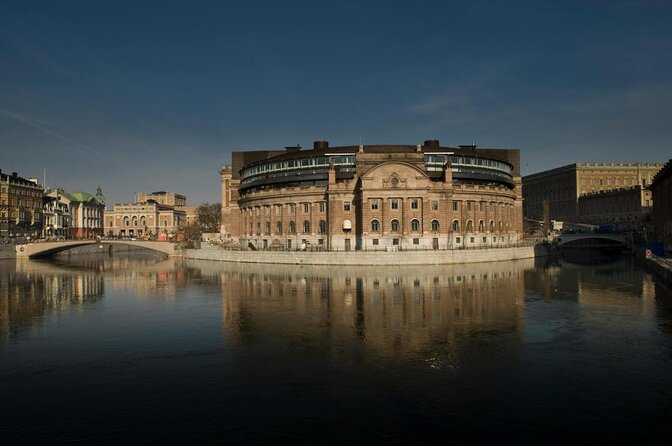
Next comes Riksdagshuset, the Swedish Parliament, set on its own island, Helgeandsholmen. Your guide connects the building to how the country is governed and points out that Sweden’s parliament has one chamber and 349 elected members serving four-year terms (since 1971). It’s the rare city landmark where you understand not only what you’re seeing, but why it looks like it does.
Then you reach the Royal Palace area. The palace is described as one of Europe’s largest and a key royal residence, plus an essential stage for how the monarchy presents itself. The big practical note: the Royal Palace entrance is not included, so you can either view from outside and keep moving, or plan to pay if you want to go in.
For me, this is a smart balance of time and interest. You get the symbolism without forcing everyone to sit through a ticketed interior if they’d rather keep walking and see more streets.
Storkyrkan to Stortorget: Gamla Stan’s medieval spine in walking form
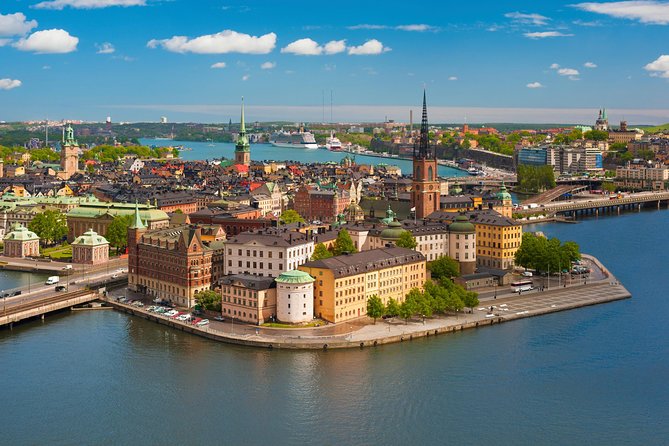
Now the tour turns into Old Town mode, where streets and monuments explain Stockholm’s medieval story better than any single museum. You’ll stop at Storkyrkan (Stockholm Cathedral), a year-round church where services are free and visitors can also enter for a small fee. Your guide points out the St George and the Dragon wooden statue inside, dating back to the 1470s and tied to the Kalmar Union era.
From there, you head to Stortorget, the main square in Gamla Stan. This is the place that anchors the Old Town, and you’ll hear about events that took place here and how the area has served as a civic center for centuries. If you want one square to start exploring Old Town on your own later, this is it.
The tour continues with a photo-friendly, story-rich stop at Iron Boy (Jarnpojken), also known as the Boy looking at the Moon. It’s tied to sculptor Liss Eriksson, with a childhood detail behind the statue’s inspiration. This kind of stop is quick, but it gives Stockholm’s history a human face.
Then you reach the Statue of St. George, another Kalmar Union reference point, and a symbol of conflict involving Sweden and Denmark. Your guide connects the statue’s figures to the political story behind them, so you’re not just looking at stone, you’re reading a timeline.
Finally, you visit Mårten Trotzigs grand, famous for being extremely narrow, reaching about 90 cm at its narrowest point. Your guide also notes that some guides claim it is the narrowest alley in Europe, but not all such claims hold up. It’s a fun realism-check stop, and it reminds you how guide storytelling can include the small corrections that make history feel honest.
More Swedish ghost stories told after dark
Crossing to Södermalm: Slussen, views, and the city’s alternative side
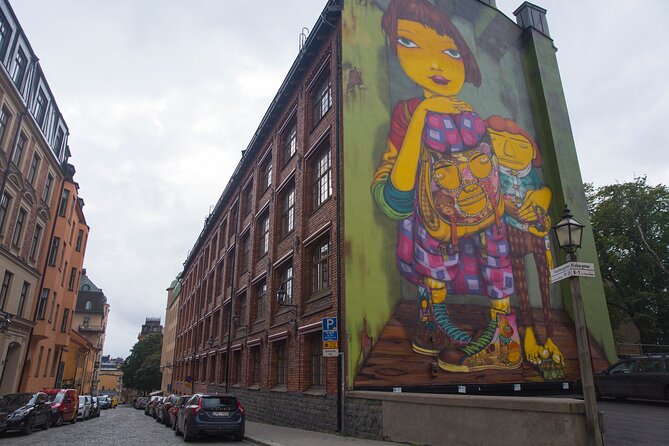
As the tour shifts toward Södermalm, you get more of the city’s “other Stockholm,” less postcard royal and more street-level character. The walk includes Slussen, explained as the lock that comes from the difference in water levels between Lake Mälaren and the Baltic Sea. This is where you see Stockholm’s geography acting like a quiet engine under the city.
Next comes Götgatsbacken, a pedestrian street area where modern brands and more casual shopping sit side by side. If you like finding the places locals actually wander, this is a useful contrast to the grand government and royal zones from earlier. It also helps you understand that Södermalm is not just views, it’s also everyday life.
For a change of pace and a camera moment, you’ll stop at Katarinahissen, the old elevator once used instead of climbing stairs on the cliff side. Today it’s a viewpoint that can give you fantastic views, so dress for comfort and be ready to pause longer than you think.
The tour also includes Mosebacke Torg, a quieter square where the Södra Teatern is located. In summer it’s known for a popular biergarten, and you’ll also see the sculpture The Sisters. Even if it’s not summer, the stop helps you map where the neighborhood’s social life happens.
Södermalm streets and Cornelisparken: authors, music, and where the tour ends
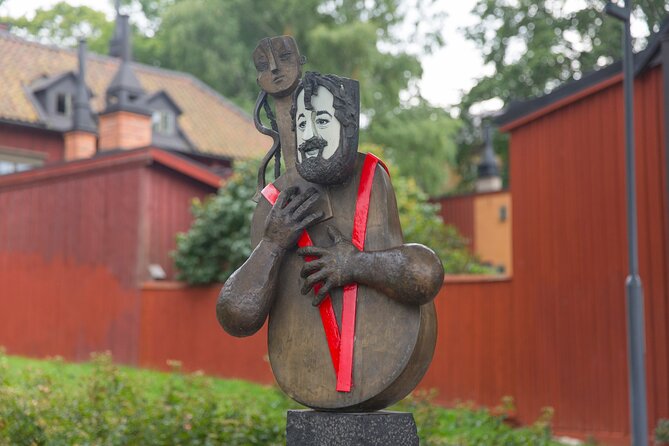
The route keeps pointing you to pop-culture history and local names that make the neighborhood feel lived-in. A key literary stop is Fiskargatan, tied to Stieg Larsson and the Millennium series, including the idea of where a character might have lived. It’s a clever bridge between reading and place, and it gives you something to look for if you come back to this area later.
Then you visit Katarina Kyrka, a church with a cemetery around it where several famous Swedes are buried. One mentioned name is Anna Lindh, along with author Per Anders Fogelström and troubadour Cornelis Vreeswijk. This is the kind of stop that adds weight without taking over the whole day, especially if you keep moving with your guide’s pace.
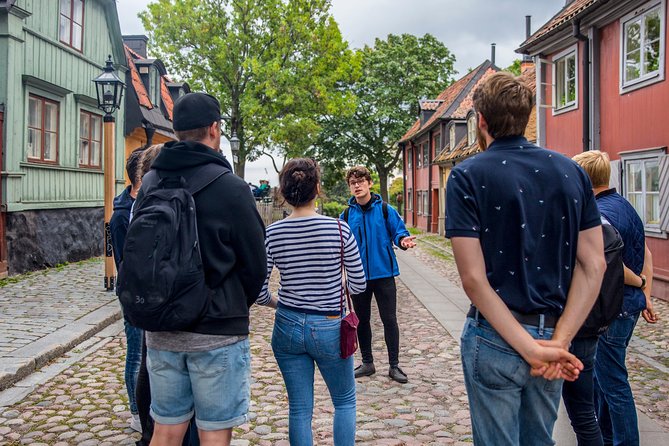
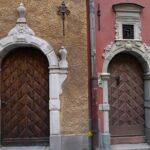
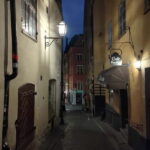
Another charming streetscape stop is Master Mikaels Gata, lined with old, colorful wooden houses. Your guide notes these wooden buildings are owned by AB Stadsholmen, a government-owned real estate company with a mission to protect culturally important structures. It’s one of those places where walking makes sense because you can actually see the preservation story.
The tour wraps with Cornelisparken, inaugurated in 2000 and dedicated to troubadour Cornelis Vreeswijk. This final stop also gives you views of Stockholm, so it’s a fitting closing note for a walk that started with a dramatic story and ended with a neighborhood vantage point.
Practically, the tour ends at Cornelis park in Södermalm. That’s great for continuing your day on your own, but it also means you may need a plan to get back to your hotel or your next activity.
What to watch for: entrances, cobblestones, and the end-of-tour distance
There are a couple of small friction points to plan for, so you don’t feel surprised.
First, some of the most famous stops have entrance fees not included, including the Royal Palace and Storkyrkan. If you only want exterior views, you’ll be fine. If you want to go inside, you’ll need to budget a bit extra and be ready to slow down for the ticket line and visit time.
Second, you should expect cobblestones in parts of the route, plus a moderate walking level. The tour operates in all weather, so comfortable shoes matter. If you’re on the fence about pacing, ask your guide where you should shorten the route, since the tour can be adjusted.
One more consideration comes from the route design itself: you start in Norrmalmstorg and finish in Södermalm. That’s a smart way to see more in one day, but it can create a long return walk if you are staying far away or if you prefer to stay put after the tour.
Value check: $418.80 per person for a private guide and included fika
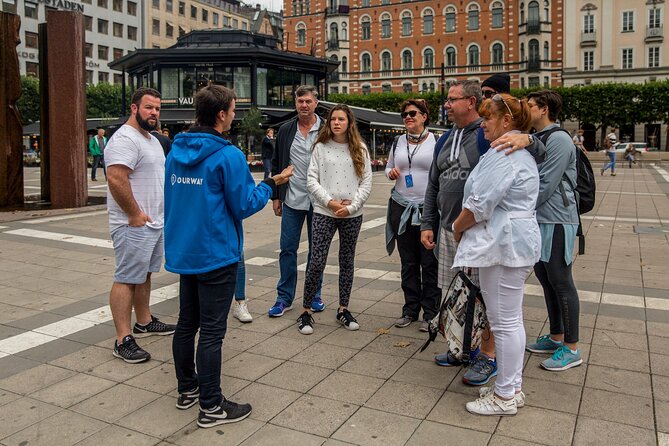
Let’s talk about the money in a real way. At $418.80 per person for a 3-hour private walking tour, you are paying for three things that are hard to replicate on your own: a live guide, story-driven routing, and time you don’t have to spend figuring out what’s most important.
The included fika is also part of the value. Having a planned coffee and pastry break in the middle of the walk helps you keep energy up, and it keeps the tour from turning into nonstop sightseeing. It’s a small cost saver and a comfort win, especially in cool or rainy weather.
Because it’s private, you can steer the walk toward your interests. Tell your guide if you’re more into royal power, medieval streets, neighborhood vibes, or pop culture connections, like the Larsson-related stop and the Cornelis Vreeswijk links. That customization is where the price starts to feel more justified.
If you’re traveling solo, the per-person price can feel heavy. If you’re traveling as a couple or small group and you want the guide to shape the day around you, it starts to look more like a smart investment rather than a splurge.
Should you book the Stockholm Syndrome private walking tour?
I’d book this if you want a strong first-day orientation with real stories tied to specific corners of the city. It’s especially good for you if you like walking history, you want a fika break built in, and you want the option to ask questions and adjust.
I would skip it or shorten it if you do not like uneven ground, you expect to hop in and out of paid interiors at every stop, or you know you need a tour that returns you right back near your starting point. The route design is forward-moving, not a loop.
If you do book, wear good shoes, bring a camera for Katarinahissen and the viewpoints, and set yourself up to continue exploring near Södermalm afterward. That’s when the tour’s ending turns from potential hassle into a win.
FAQ
How long is the Stockholm private walking tour?
The tour runs for about 3 hours.
Where does the tour start, and where does it end?
It starts at Norrmalmstorg in Stockholm, Sweden. It ends in Cornelis park, address listed as 116 20 Stockholm.
What’s included in the tour price?
The tour includes a professional guide and coffee and/or tea fika with a pastry.
Is this tour private or group-based?
This is a private tour/activity, so only your group participates.
Which stops have entrance fees that are not included?
The Royal Palace and Storkyrkan are noted as admission tickets not included. Other listed stops show free admission.
What language is the tour offered in?
The tour is offered in English.
Is there a walking or fitness requirement?
You should have a moderate physical fitness level, and some parts include cobblestones.
Can I cancel for a full refund?
Yes. You can cancel for free up to 24 hours in advance for a full refund.
Reviewed Across Sweden





The Darker Walks


Stockholm, A Few More Ways
Other Swedish trips from the review pile
- ROYAL Castle Skokloster and Viking Sigtuna (private tour)
★ 4.5 · 3 reviews - Stockholm Port to Stockholm Arlanda Airport (ARN) – Departure Private Transfer
★ 3.5 · 3 reviews - Stockholm Ghost Hunt: Self-Guided Tour and Puzzle Adventure
★ 4.5 · 3 reviews - Private Photography workshop in Stockholm
★ 5.0 · 3 reviews - Private blood, ghosts and folklore Old Town 2h Stockholm tour
★ 4.0 · 3 reviews - Ghosts of Stockholm: A Guided Tour of Horror and Dark Folklore
★ 4.5 · 3 reviews
Stockholm City Tours, compared.
 ★ 4.3City Archipelago Sightseeing Cruise with GuideFrom $4110,798 reviews
 ★ 4.5Skansen Open-Air Museum Admission TicketFrom $273,427 reviews
 ★ 4.4Archipelago Boat TourFrom $393,110 reviews
 ★ 4.3Highlights Boat TourFrom $392,542 reviews
 ★ 4.1Stockholm Pass: Save up to 50% – Includes Vasa Museum TicketFrom $952,392 reviews
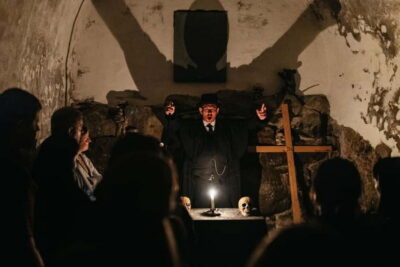 ★ 4.7Ghost Walk and Historical TourFrom $312,206 reviews
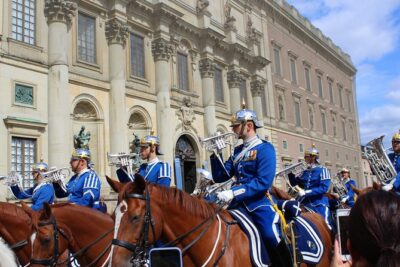 ★ 5.0Walking Tour of Stockholm Old TownFrom $241,175 reviews
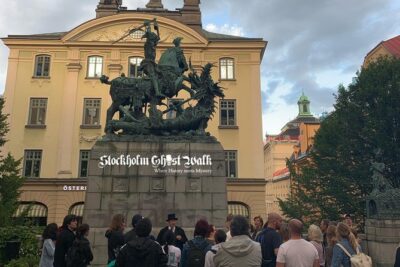 ★ 4.5The Original Stockholm Ghost Walk and Historical Tour – Gamla StanFrom $381,165 reviews
Browse the lists this tour appears in