
REVIEW · UPPSALA
From Stockholm: Uppsala and Sigtuna Viking Sites Tour
Viking sites, with real Swedish context. This 9-hour trip links Stockholm County stops to the stories behind the Vikings in the region, from rune-linked landmarks to the big shift from pagan practice to Christianity. It’s designed as a small group day (max 17) with guided stops and discussion built in.
What I like most is the interactive guide style. You’ll have lots of chances to ask questions and talk through what you’re seeing, not just listen while you move along. I also really enjoy the included Swedish fika break at Hökerriet/Granby area, because it breaks up a long day and keeps the local feel front and center.
One thing to consider: this is a full long day with outdoor time and some walking. You’ll want decent weather clothing and shoes, because you’re not just sitting on a bus watching the world go by.
In This Review
- Key things that make this tour worth your time
- Where the Viking story actually makes sense near Stockholm
- Group size, pickup, and how to plan your day in real life
- Jarlabanke Bridge and Arkils Tingstad: close to the city, still Viking-era
- Vallentuna Church: where belief shifts become visible
- Hökerriet fika at Granby Farm: the break that makes the history stick
- Sigtuna: Viking-era town life and Saint Olaf’s afterlife
- Gamla Uppsala burial mounds: spiritual center meets the long Viking timeline
- Uppsala Cathedral and university streets: the Christian power center in plain sight
- Price and value: is $235 a fair deal for a 9-hour guided loop?
- What kind of traveler should book this Stockholm-Uppsala-Viking day?
- Should you book the Stockholm County Viking Sites Tour?
- FAQ
- How long is the From Stockholm: Uppsala and Sigtuna Viking Sites Tour?
- Is hotel pickup and drop-off included?
- What stops do we visit during the day?
- Is there a fika break during the tour?
- Do we get time to eat lunch or explore Sigtuna on our own?
- Is the tour guided in English?
- Is an audio system provided?
- How active is the tour?
- What is the group size?
- What weather should I plan for?
Key things that make this tour worth your time
Small group size (up to 17) for easier questions and tighter explanations
Hotel pickup and drop-off when possible, with a clear meeting point at Radisson Blu Waterfront
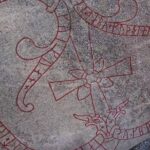
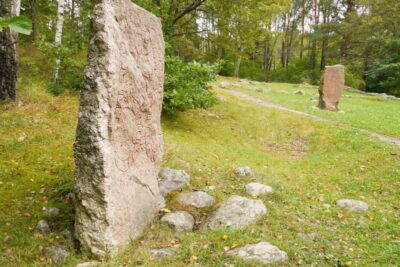
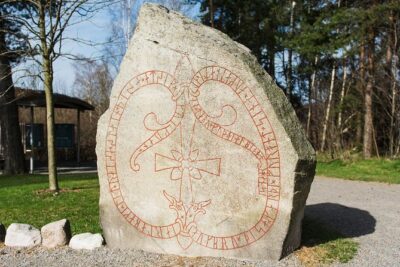
Runes and Viking-era landmarks around Stockholm County, not only the big names in Uppsala
Fika included at the Granby farm area (Hökerriet) so you get a true Swedish pause
Old Uppsala plus Uppsala Cathedral, tying burial-mound legends to Sweden’s Christian leadership
Stockholm is a big menu. Here is what else we tried
- Stockholm: City Archipelago Sightseeing Cruise with Guide★ 4.3 · 10,798 reviews
- Stockholm: Skansen Open-Air Museum Admission Ticket★ 4.5 · 3,427 reviews
- Stockholm: Archipelago Boat Tour★ 4.4 · 3,110 reviews
- Stockholm: Highlights Boat Tour★ 4.3 · 2,542 reviews
Where the Viking story actually makes sense near Stockholm
Stockholm is impressive, but it can feel a bit city-boxed. This tour pushes out into the region where you start seeing why Viking-age Sweden developed the way it did: power, travel routes, belief systems, and elite influence all show up as physical places.
The day isn’t just Vikings as costumes. The route is built to show a timeline. You start with Viking-era connections around Stockholm County, then move through church sites and towns tied to Christian expansion. By the time you reach Uppsala, you’re seeing how belief, politics, and learning became linked in Scandinavia.
And it’s guided to be conversational. The itinerary is full of stops, but it doesn’t feel like a lecture marathon. You can ask questions, and the guide’s job is to connect what you’re standing in front of to the larger Swedish story.
Group size, pickup, and how to plan your day in real life
This is a 9-hour tour, which is a big chunk of time. You’ll get hotel pickup and drop-off when possible, and if you’re staying outside central Stockholm, pickup is listed near the Radisson Waterfront close to the Central Railway station area.
A practical tip: plan to be ready early. Even when pickup is offered, the city has operational limits, and the note about a non-driving area for non-electrical cars in the center means you may be guided to a nearby pickup spot rather than exactly your door.
You’ll also want to budget energy for standing and short walks. The tour says you should be able to walk a couple hundred meters and stand for a while. That’s not extreme hiking, but it does add up when you stack multiple stops in one day, especially in cool or wet weather.
One more comfort detail that matters: the tour includes an audio system called whispers. If you’ve ever struggled to hear a guide on a windy stop, you’ll appreciate having built-in audio support both inside and outside the vehicle.
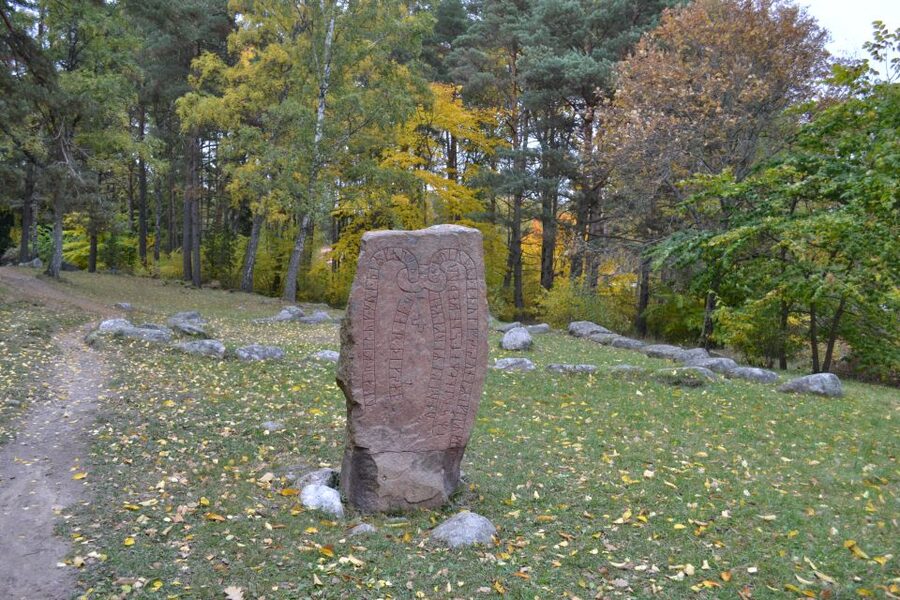
Jarlabanke Bridge and Arkils Tingstad: close to the city, still Viking-era
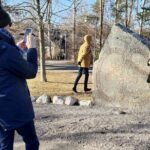
The day starts with bus travel, then you’ll get right into the region’s historic landscape. Two of the early guided stops are Jarlabanke Bridge and Arkils Tingstad. These are the kinds of landmarks that help you understand that Viking history isn’t confined to distant ruins. It’s part of the same geography that later shaped Stockholm’s growth.
What makes these early stops useful is how they frame the rest of the day. Instead of jumping straight from city streets to major Viking sites, you build familiarity with the terms and the setting. It makes later places, like rune-connected stops and burial mounds, easier to read.
If you’re the type who likes to place things on a mental map, the pacing helps. You’re not thrown into “big names only.” You’re shown how the area connects.
Vallentuna Church: where belief shifts become visible
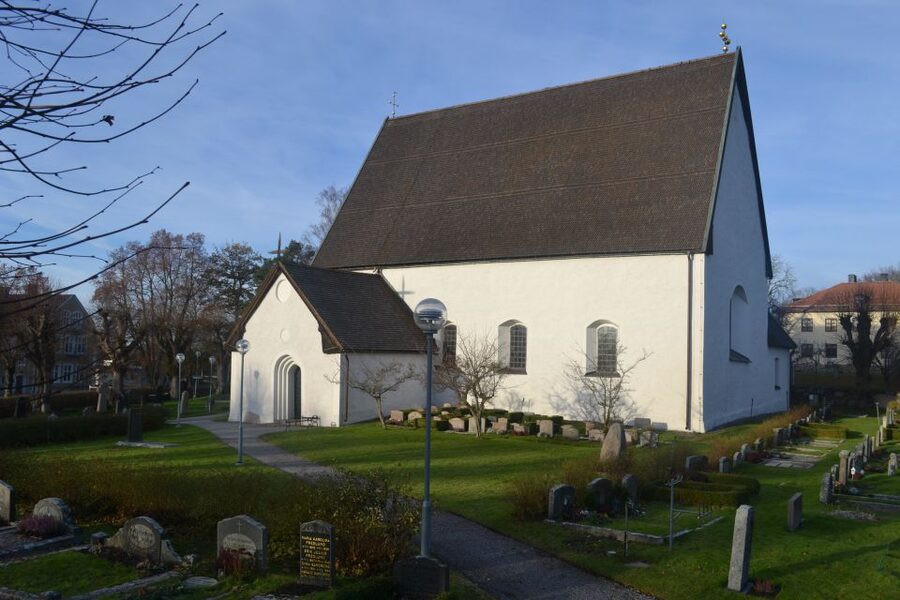
Next up is Vallentuna church, with a guided visit. Churches in Sweden are often treated like they’re separate from Viking history, but the real story is the overlap and the transition. This stop is valuable because the tour’s theme is exactly that: how the shift from paganism to Christianity shaped Swedish society.
You’re not going to learn this through a single building photo. You’ll learn it through explanation tied to the area and the broader timeline. Church sites often act like historical anchors, because later Christian structures reused earlier cultural ground and gradually changed what community life looked like.
Practical note: expect some time outside depending on weather and group flow. Bring layers you can handle quickly, because the day mixes walking, listening, and short transfers by bus.
Uppsala rewards a slow walk. More of it here
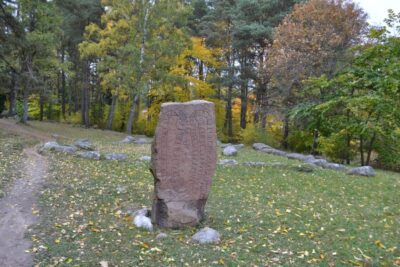
Hökerriet fika at Granby Farm: the break that makes the history stick
At HÖKERIET, the tour includes coffee and a guided element around the farm stop. Then you get the included Swedish fika, described as homemade pastries and coffee at the Granby farm area.
I like this kind of scheduled pause because it stops the mental overload. After a few sites in a row, your brain is full of dates, names, and concepts. A fika break gives you time to reset while still staying part of the experience, not just killing time.
This also helps practical needs. You can warm up, use the bathroom, and regroup before the day shifts into Sigtuna and then the heavier Uppsala sites. If you’re traveling with a longer list of questions, this is the moment to jot them down so you can ask later while the guide is still in full storytelling mode.
Sigtuna: Viking-era town life and Saint Olaf’s afterlife
Then the tour moves into Sigtuna, a charming town tied to the late Viking era. This is one of the best segments for a different kind of travel feeling. You’re not only looking at historic remnants. You also get a real dose of small-town walking time.
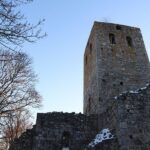
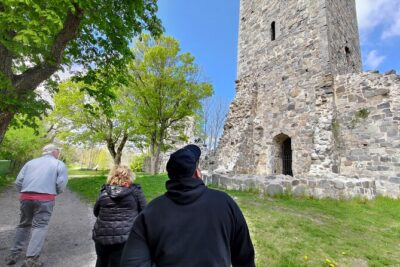
You’ll explore the ruins of Saint Olaf church, and you’ll get context around Olaf as the Norwegian Viking warrior who later converted to Christianity and became a saint. The connection matters because it shows how Scandinavian identities blended over time. People did not convert in isolation. Ideas traveled, rulers influenced, and religious authority reshaped social life.
The tour also includes about an hour of free time for lunch, shopping, wandering, or simply resting. That free time is important because it gives you control. You might want a casual lunch somewhere near the ruins area, or you might just want to slow down and let the streets do their work.
A small drawback to keep in mind: in the fall and winter, daylight disappears early. If your day runs in lower light, your best photo windows and longer walking moments might be slightly limited. Still, Sigtuna’s atmosphere tends to hold up well even when the weather is gray.
Gamla Uppsala burial mounds: spiritual center meets the long Viking timeline
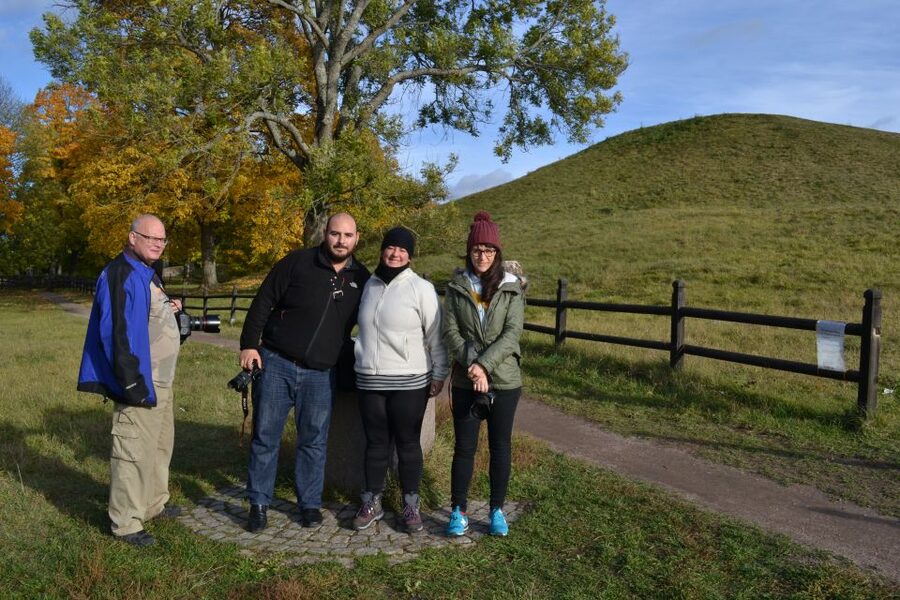
After Sigtuna, the tour heads to Gamla Uppsala (Old Uppsala), home to the famous burial mounds that date from the first centuries AD through the end of the Viking era. This stop is where the “big Viking Sweden” story becomes physical.
The guide framing is the key. You’re told that Gamla Uppsala was the spiritual center of Vikings across Scandinavia, and that people gathered there for Midwinter blot festivals. Whether you personally interpret the religious side literally or historically, the important part is how central ritual and elite power were to society.
The tour also includes a legend about a pagan temple burning in 1087, followed by a church built on top, which later became a main cathedral seat with Sweden’s first archbishop. Since that’s presented as legend, treat it like cultural memory rather than a dated documentary. But as a narrative tool, it’s very effective. It helps you understand why Uppsala mattered in the centuries when religious authority was shifting.
This is also a place where your guide can connect earlier stops to later ones. When you know the timeline you’ve been walking through, the burial mounds stop being “just earth and grass.” They become the stage for the transition you’ve been hearing about all day.
Uppsala Cathedral and university streets: the Christian power center in plain sight
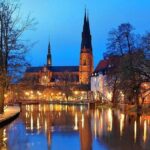
The final major stop is Uppsala Cathedral, with guided time. Uppsala today has a university identity, but the cathedral represents the deeper continuity of authority and learning.
The guided visit is set up as a payoff. You’re moving from burial-mound spirituality and late Viking town life into a site tied to Sweden’s Christian leadership. The tour description notes that the church on the pagan temple site became the main cathedral for the country and the seat of the first archbishop. That’s exactly the kind of “how power moved” point that makes the earlier stops feel connected.
After the cathedral, you’ll enjoy a brief guided walk through the university areas, then the return trip to Stockholm takes about one hour. That hour back is often when you’ll realize how much you covered. It’s also a good time to ask those last questions, since the guide is still with you and the day is still fresh.
A practical note for photos: cathedral exteriors are great in daylight, but even if you end up in dimming light, the details the guide points out can still make the visit feel rewarding. The best photos often come from angles tied to what you’re being told, not just from standing still in the most common spot.
Price and value: is $235 a fair deal for a 9-hour guided loop?
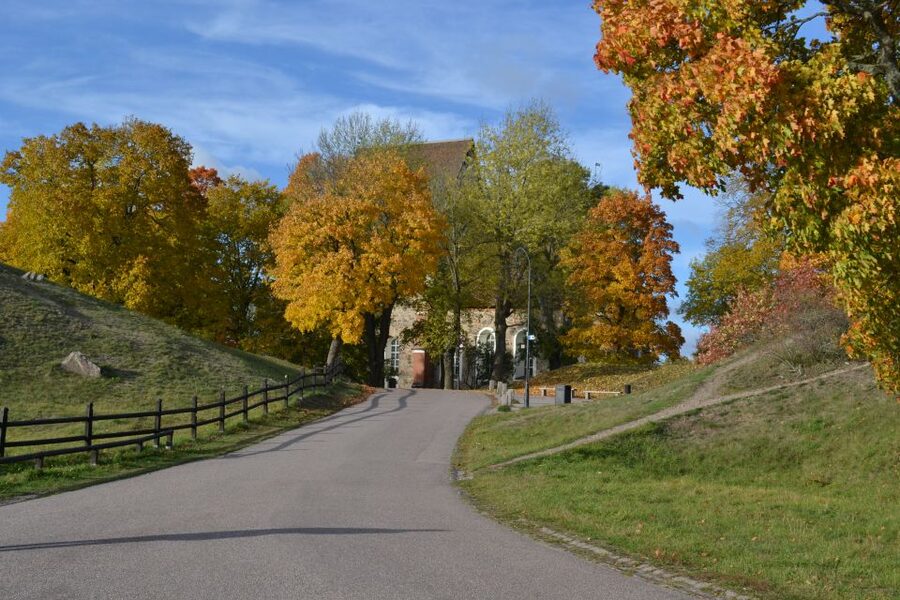
At $235 per person for a 9-hour tour, you’re paying for more than transport. You’re paying for:
- hotel pickup and drop-off (when possible)
- a live English guide over multiple guided stops
- an audio system with whispers
- fika with coffee and homemade pastries
- the structure of a full-day route across Stockholm County, Sigtuna, and Uppsala
So where does the value really come from? From the way the stops are connected by theme. Many Viking tours toss you between a few headline sites. This one builds a sequence around the transition from pagan belief to Christian institutions, then anchors it with places you can actually stand in.
Is it overpriced for everyone? Sure. If you already plan to spend a full day in each place on your own, this isn’t the cheapest route. And if you hate long itineraries, you may feel the price more sharply because the time is tight.
But if you want a guided story that turns place names into meaning, plus the included fika and the convenience of pickup, it starts to look more reasonable. You’re buying time you do not have to research, plan, and coordinate on your own.
What kind of traveler should book this Stockholm-Uppsala-Viking day?
This tour fits best if you:
- like history that has a timeline and connections, not just isolated monuments
- want a small group day (max 17) where you can ask questions
- prefer guided context for churches, rune-linked sites, and burial landscapes
- enjoy a town break with actual free time in Sigtuna
It might be less ideal if you:
- want a relaxed day with lots of unstructured wandering in one location
- dislike driving between multiple stops in one day
- struggle with chilly outdoor conditions or standing for stretches
Language is English, and the tour is described as historical on an academic level. That’s a good sign if you like clear explanations and detail. If you want very casual, kid-glance storytelling only, you might find the tone more focused than you expect.
Also, since this is an outdoor-heavy itinerary, pack for weather. A light rain shell and warm layers can make the difference between a day that feels enjoyable and one that feels like a wet chore.
Should you book the Stockholm County Viking Sites Tour?
If your goal is to understand how Viking-era life in the region connected to the rise of Christian leadership in Sweden, I think this is a smart booking. The day is structured so you’re not just seeing famous names, you’re getting the storyline behind them, and the included fika helps keep the long route from feeling like pure logistics.
Book it if you want:
- a guided, small-group history day
- multiple stops tied to the pagan-to-Christian transition
- convenience with pickup and drop-off
- English narration plus whispers audio so you don’t miss details
Skip it if you only care about one or two sites and would rather do the rest independently, or if you prefer shorter, less packed sightseeing days.
If you’re on the fence, I’d make the call based on your tolerance for a full 9-hour itinerary. If you can handle a long, structured day with some outdoor time, you’ll likely leave with a much clearer picture of Viking Sweden than you’d get from headline sightseeing alone.
FAQ
How long is the From Stockholm: Uppsala and Sigtuna Viking Sites Tour?
The tour lasts 9 hours.
Is hotel pickup and drop-off included?
Yes. Hotel pickup and drop-off are included when possible. If you are outside the center, pickup is listed near Radisson Waterfront close to the Central Railway station, and the meeting point is Radisson Blu Waterfront Hotel at the upper street, Klarabergsgatan, by the entrance.
What stops do we visit during the day?
You’ll see a mix of Stockholm County Viking sites and churches, then stop in Sigtuna, visit Gamla Uppsala, and tour Uppsala Cathedral, with bus transfers between stops.
Is there a fika break during the tour?
Yes. You get fika with coffee and homemade pastries during the Granby farm area stop at HÖKERIET.
Do we get time to eat lunch or explore Sigtuna on our own?
Yes. There is free time in Sigtuna for about an hour, which you can use for lunch, shopping, wandering the streets, or relaxing.
Is the tour guided in English?
Yes. The live tour guide and audio system are in English.
Is an audio system provided?
Yes. The tour includes an audio system called whispers, which can be used inside and outside the vehicle.
How active is the tour?
There is some walking and standing during outdoor activities. You should be able to walk a couple of hundred meters and stand for a while.
What is the group size?
The tour keeps groups small, with a maximum of 17 guests.
What weather should I plan for?
The tour includes outside activities, so you should dress for the weather.
Viking Ground, Further Afield


More Of Uppsala
Stockholm, A Few More Ways





Other Swedish trips from the review pile
- ROYAL Castle Skokloster and Viking Sigtuna (private tour)
★ 4.5 · 3 reviews - Stockholm Port to Stockholm Arlanda Airport (ARN) – Departure Private Transfer
★ 3.5 · 3 reviews - Stockholm Ghost Hunt: Self-Guided Tour and Puzzle Adventure
★ 4.5 · 3 reviews - Private Photography workshop in Stockholm
★ 5.0 · 3 reviews - Private blood, ghosts and folklore Old Town 2h Stockholm tour
★ 4.0 · 3 reviews - Ghosts of Stockholm: A Guided Tour of Horror and Dark Folklore
★ 4.5 · 3 reviews
Uppsala City & Cathedral Tours, compared.
 ★ 4.5Viking History, Runes & Countryside 9h Tour to Sigtuna & UppsalaFrom $298283 reviews
 ★ 4.6Stockholm Viking History Full Day Tour to Sigtuna + UppsalaFrom $266218 reviews
 ★ 4.5Viking History and Swedish Countryside Tour to Sigtuna & UppsalaFrom $274162 reviews
 ★ 4.5Cube of Art Uppsala Museum of Interactive ArtFrom $2169 reviews
 ★ 5.0Private Full Day Viking History Tour from Stockholm Including Sigtuna and UppsalaFrom $67251 reviews
 ★ 4.7Sigtuna and Uppsala Viking History Day TourFrom $25541 reviews
 ★ 3.5Day-Trip- to-UppsalaFrom $24919 reviews
 ★ 5.0Private Day Tour to Uppsala – Uppsala Cathedral, Viking Burials and countrysideFrom $49616 reviews
Browse the lists this tour appears in