
REVIEW · UPPSALA
Viking History, Runes & Countryside 9h Tour to Sigtuna & Uppsala
A Viking runestone message and countryside air. This 9-hour tour mixes Old Norse legends with real surviving sites, from a reconstructed Viking bridge to the burial mounds of Gamla Uppsala. I especially like how the day turns big, scary-sounding Viking topics into clear stories you can see with your own eyes. One possible drawback: it is a long day, and if you want lots of free time in one town, you may feel a bit rushed.
My other big plus is the small-group feel, with a max of 19 people, plus professional local guides who can adapt the pace. On past departures, guides such as Olof, Calle, Gabriel, and Philip have brought the sites to life, and a good driver like Christian helps keep things moving smoothly. If you hate walking at all, plan for some field and lakeside paths, even if the day is not a hike.
In This Review
- Key highlights to know before you go
- A full day beyond Stockholm’s streets
- Broby Bro: runestones, burial customs, and Estrid’s story
- Jarlabanke’s runestones and the 150-meter bridge
- Arkils tingstad: the thing site where Viking law makes sense
- Church ruins near Sigtuna, plus a quick Viking-to-Christian moment
- Sigtuna boardwalk: a guided walk, fika choices, and real downtime
- Gamla Uppsala burial hills: royal scale you can see
- Uppsala Domkyrka and the cathedral city timeline
- Uppsala Castle courtyard: photos, views, and a caution about time
- Price and value: what $298 buys in real time
- Group size, guides, and what makes the day feel smooth
- Walking levels and smart packing for rune-and-ruin weather
- Who should book, and who should think twice
- Should you book Viking History, Runes & Countryside to Sigtuna & Uppsala?
Key highlights to know before you go
- Rune stories tied to places you can stand on at Broby Bro, the bridge area, and the runestone sites
- Arkils Tingstad, a preserved Viking thing site where you can picture how Viking law and meetings worked
- Sigtuna on foot, then freedom to wander with a guided walk plus your own time afterward
- Gamla Uppsala burial hills and royal context for understanding why this area mattered
- Uppsala Cathedral and castle courtyard viewpoints for a strong finish with big-city history
Uppsala rewards a slow walk. More of it here
- Viking History, Runes & Countryside 9h Tour to Sigtuna & Uppsala★ 4.5 · 283 reviews
- Viking History and Swedish Countryside Tour to Sigtuna & Uppsala★ 4.5 · 162 reviews
- From Stockholm: Uppsala and Sigtuna Viking Sites Tour★ 4.7 · 157 reviews
- Private Full Day Viking History Tour from Stockholm Including Sigtuna and Uppsala★ 5.0 · 51 reviews
A full day beyond Stockholm’s streets
This tour starts in Stockholm and quickly changes gears. After a hotel or port pickup, you head into the surrounding countryside, so the day does not feel like a never-ending city loop. Expect a 9-hour experience, with hotel pickup typically beginning 30 to 60 minutes before the departure time, and the official start time at 9:00 am.
You get an air-conditioned vehicle, and the stops are spaced so you can learn without feeling stuck on one long lecture. It is also structured around short, meaningful visits, so you get multiple “wow” moments, not one big museum.
A quick practical note that matters: the pickup zone covers hotels within 3 km of Stockholm Central Station. If you stay in the Old Town area, you might need to walk a few hundred meters to reach the vehicle. If you are arriving by cruise, pickup depends on which pier you use, and Nynäshamn does not include pickup.
Broby Bro: runestones, burial customs, and Estrid’s story
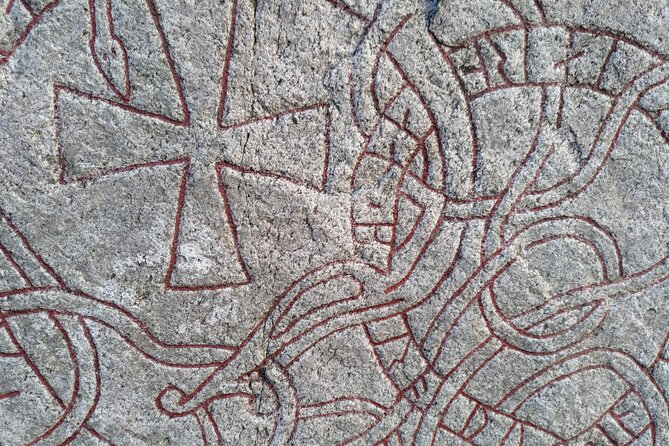
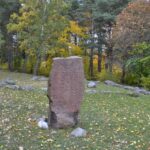
The day opens at Broby Bro, where you focus on runestones and the family history attached to the site. You also learn about Viking burial customs and how archaeologists piece together what life looked like long ago. This is one of those stops where the ground is quiet, but the story is not.
The highlight here is Estrid, a Viking woman whose skeleton is famously the only identified Viking woman’s remains in Sweden. The story goes beyond just naming her, too, including the long-running legend that she might have traveled to Jerusalem. Even if you come in skeptical, the tour frames why this kind of claim sticks around, and how researchers talk about evidence.
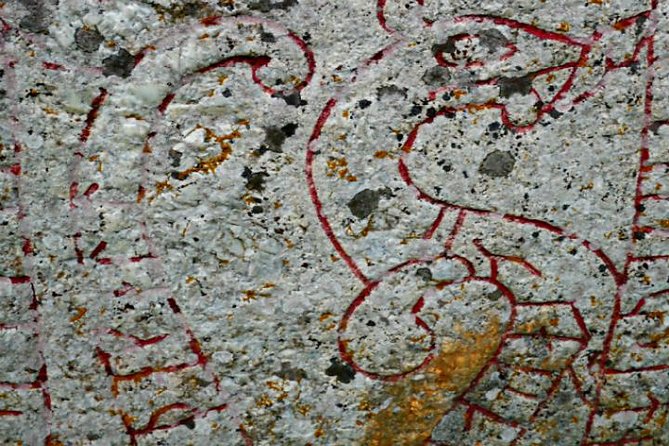
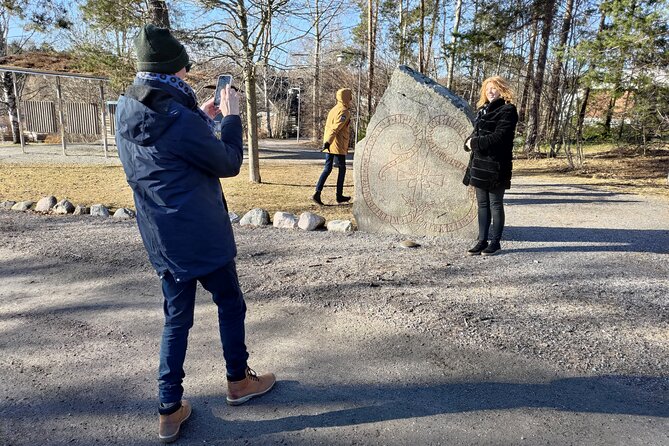
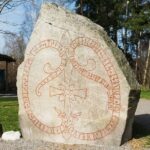
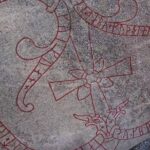
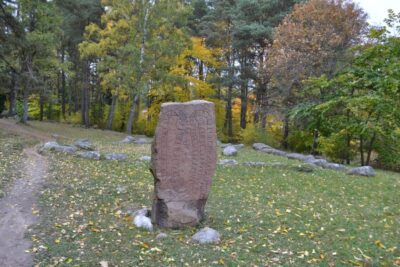
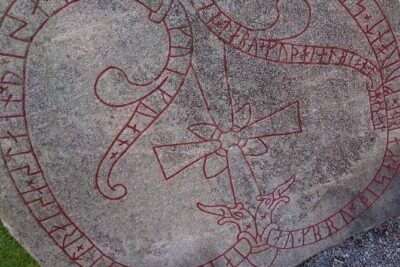
This is also where the “runes as messages” idea clicks. You learn to interpret runestone wording in context, including the Old Norse angle, instead of treating runes like decorative graffiti.
Jarlabanke’s runestones and the 150-meter bridge
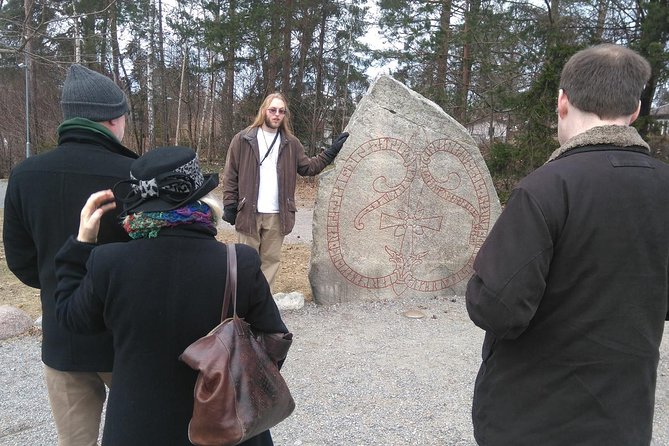
Next comes Jarlabanke’s runestones and the reconstructed causeway bridge. This is one of the most visual parts of the day: you can actually walk on a recreation and imagine leaders moving across the landscape. The bridge is about 495 feet, or 150 meters, and the story ties it to a Viking leader who built it roughly a thousand years ago.
The tour connects the physical spot to the social structure behind it. You learn how power was divided in Viking society, and how different groups lived within that system. Then comes the rune element again, with a message written on a rune stone flanking the bridge in Old Norse, giving you a sense of how public messaging worked in the Viking world.
If you love seeing the logic of history, this stop is a treat. It is not just “look at a bridge,” it is “this is what a ruler wanted people to remember, and why.”
Arkils tingstad: the thing site where Viking law makes sense
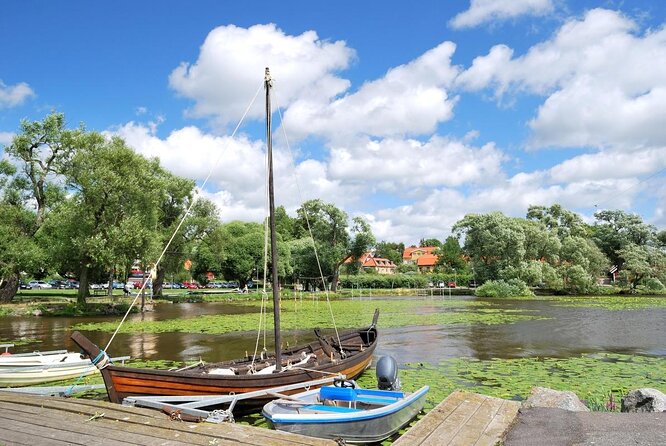
Arkils Tingstad is a preserved Viking assembly site, one of the best you can visit to picture how a thing worked. A thing site is where community decisions happened, so the setting matters. At Arkils Tingstad, the preserved structure and lakeside setting help you “see” the meeting as something real and organized, not just a legend.
This stop is where the tour shifts from personal stories (like Estrid) to social systems. You learn about Viking law and social customs, and the lakeside discussion also connects to ships and exploration. It is a good pairing with the earlier runes and bridge, because it shows how Viking communication and power were not abstract, they were tied to gatherings and decisions.
The time here is short enough to keep you moving, but long enough to actually absorb the place. If you are a history nerd, this is the stop that makes the day feel worth it fast.
More rune stones, burial mounds and old kingdom stops

Church ruins near Sigtuna, plus a quick Viking-to-Christian moment
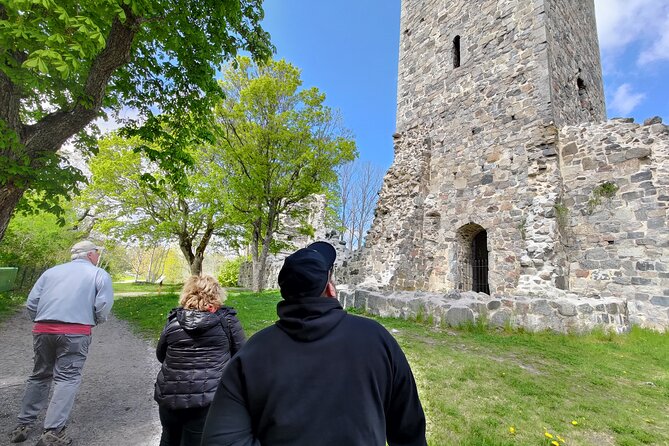
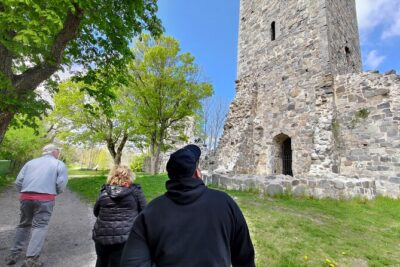
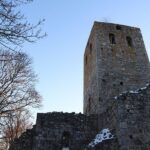
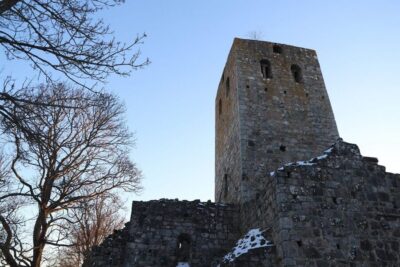
The next stop is the St. Olof Church ruins, tied to the story of a Viking king, Olof, and the fall from glory that comes with trying to reclaim power. This stop is brief, but it adds texture to the Viking timeline as Sweden moves toward Christianity.
The ruins date to 1120 AD, so you are looking at a later period than the classic Viking Age stories, but in a way that helps you understand overlap. The tour uses this spot to connect politics, religion, and memory in one place.
If you do not care about the religious transition, you might find this stop short and “context only.” Still, it is a useful puzzle piece if your goal is to understand the full arc, not just raids and ships.
Sigtuna boardwalk: a guided walk, fika choices, and real downtime
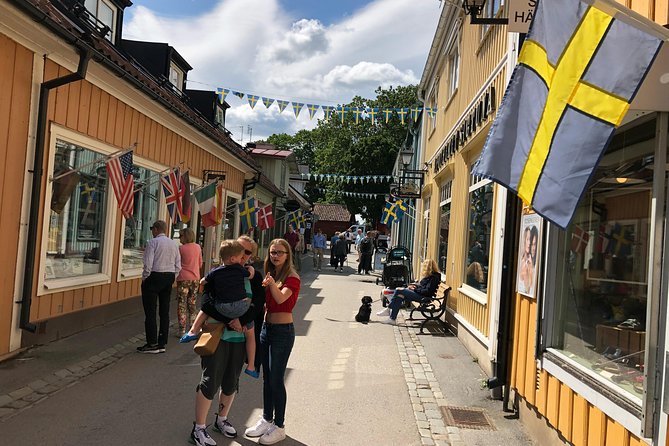
Sigtuna is the day’s break from heavy archaeology mode. You start with a walking tour on the boardwalk area, around 60 minutes, and it is one of the easiest places to feel the “small town Sweden” vibe. This is the kind of place even Swedes visit for vacation, so the mood stays friendly rather than solemn.
Then you get time to wander on your own for about an hour. That freedom is valuable because Sigtuna is compact, and if you enjoy poking around shops, streets, or just taking photos without rushing, you will use that hour.
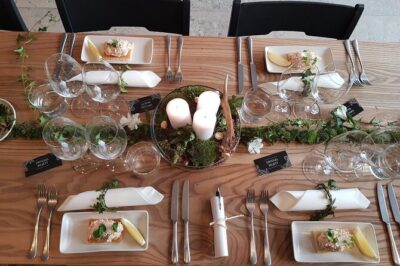
Food timing matters here. There is time for lunch in Sigtuna, but lunch is not included as a default. Coffee and traditional Swedish fika are possible as an add-on, so if you want that classic pause, plan for it ahead.
One more reality check: this is not a “you decide everything” day. The tour is built around set stops, so your independent time is real, but it is still within a full schedule.
Gamla Uppsala burial hills: royal scale you can see
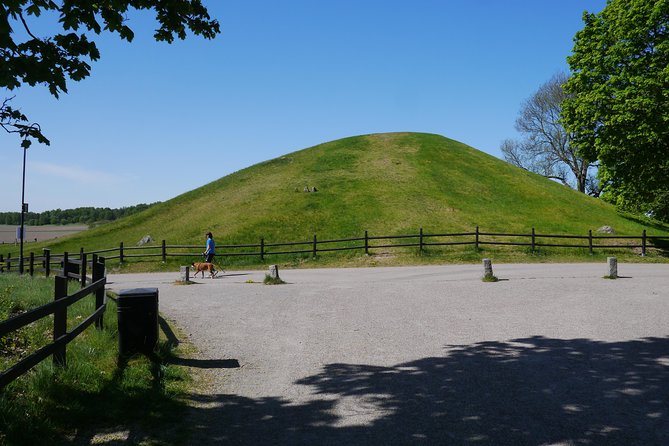
Gamla Uppsala is where the Viking story turns big. You visit the old royal center area, with some of the largest burial mounds in Sweden. The tour highlights the scale: the mounds are about 10 meters high and more than 50 meters wide in diameter.
The idea here is not just “big hills,” it is early royal authority in the kingdom area that preceded Sweden’s kingdom as later generations defined it. When a site is this large, you can understand why people would center power and ritual here.
You also get a guided frame for what the mounds likely meant and how the site fits into broader regional history. It is a strong stop if you want the Viking period to feel like it had institutions, not just individual heroes.
Uppsala Domkyrka and the cathedral city timeline
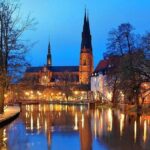
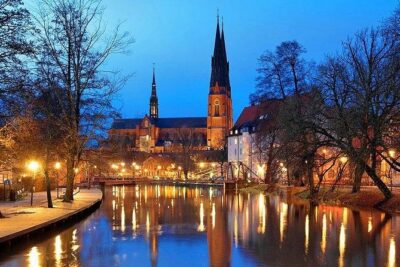
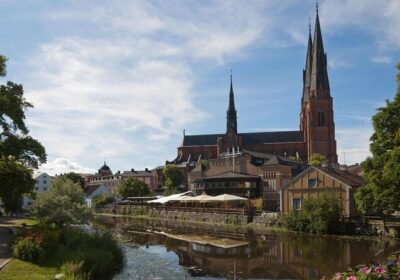
From the burial hills, the tour moves to Uppsala’s historic district and Uppsala Domkyrka. This is a shorter visit, around 30 minutes, and it focuses on the cathedral and the surrounding historic context.
You also hear about Uppsala’s university history, founded in 1477, which adds a different flavor to the day. It is a nice contrast: you went from Viking royal mounds to a later center of learning.
If you love stepping into places where history layers on top of itself, this stop works well. You can also take time to look inside the cathedral on your own if you wish, which helps if you want more than the guided overview.
Uppsala Castle courtyard: photos, views, and a caution about time
The final on-the-ground historical stop is Uppsala Castle, specifically the courtyard. This is a quick visit, around 10 minutes, but it gives a high vantage for city photos.
The guide also shares highlights of the castle’s history, including the bloody parts. Even in a short stop, it gives the day a sense of ending with another “how power changes hands” theme, even after the Viking era.
This stop is mostly about finishing strong visually. If you are hoping for a museum-level ending, you likely will not get it, but for a full-day format it makes sense.
Price and value: what $298 buys in real time
At about $298.53 per person for a 9-hour day, the value comes less from “one museum” and more from the full package: professional local Viking expert guidance plus transfers and a structured learning route across multiple sites.
You also get practical support built into the price. Hotel or port pickup and drop-off is included, and the group size stays under control, with a maximum of 19 travelers. That matters because you are traveling between places in the countryside, and a smaller group typically means fewer delays at each stop.
Is it pricey? Yes, compared to solo public transit. But this is one of those days where guided storytelling changes the value. When you see runestones and bridges without context, they can feel like “cool rocks.” With expert framing, they become a map of how Vikings organized power, law, and memory.
I would treat the price as worth it if your main goal is history and interpretation, not just sightseeing.
Group size, guides, and what makes the day feel smooth
The quality of this kind of tour rises and falls with the guide. The best versions of this experience are the ones that keep the story clear and keep momentum without rushing you.
In past departures, guides such as Olof, Calle, Gabriel, Karl, Jacob, and Philip have stood out for being engaging and for making the sites feel alive. A frequent theme in positive feedback is flexibility, especially in how the guide manages daylight and timing so you can see what matters.
The driver also plays a role. Christian comes up in feedback as friendly and helpful, which you notice most during countryside travel.
One honest consideration: because the day runs long, if your guide uses a quiet delivery style or you cannot hear well from the start, the tour can feel like an information overload that does not land. On the other end, the best guides keep it conversational and pace it with snack or bathroom breaks.
Walking levels and smart packing for rune-and-ruin weather
This is not an all-out trekking day, but you should plan on some walking. There are field paths and some movement through outdoor spaces, including a lakeside thing site.
Comfortable walking shoes are recommended. I also suggest you dress in layers, because countryside weather in Sweden can shift during the day, and you will be outside more than you might expect across runestones, hills, and boardwalk streets.
If you want fika and you care about having lunch options, plan around the Sigtuna time window. Coffee and snacks can be upgraded, but lunch is not automatically included, so decide whether you want to add it in advance or handle it on your own while you have time there.
Who should book, and who should think twice
This tour fits best if you want a day that teaches you how Viking life worked, not just where Vikings went.
You will likely enjoy it if:
- You like runes, assembly sites, burial customs, and historical interpretation
- You want a mix of countryside sites and two real towns, Sigtuna and Uppsala
- You enjoy guided storytelling more than independent exploring only
You should think twice if:
- You prefer slow travel and long free time in one place
- You only care about the very biggest Viking landmarks and feel unsure about church ruins and transitions
- You dislike longer days, since the schedule keeps moving through multiple stops
There is also a smaller-picture version of this tour risk. Some people find Uppsala and Sigtuna underfilled if they expected more time. This day is designed for breadth, not depth in either town.
Should you book Viking History, Runes & Countryside to Sigtuna & Uppsala?
If your goal is a high-effort history day outside Stockholm, I think this one is a solid choice. The strongest reason to book is how the sites connect into a storyline you can actually walk through, from rune messages to bridges, assembly places, and royal burial mounds.
Book it if you like structured learning and you want your day to feel full, with real context at every stop. Consider skipping if you want a relaxed, unstructured day, or if you only want to linger in Uppsala or Sigtuna for hours.
Finally, bring a simple mindset: you are paying for interpretation plus logistics. If you match that mindset, you are set up for a memorable day where Viking history feels like it belongs to the landscape you are standing on.
Reviewed Across Sweden




Viking Ground, Further Afield

More Of Uppsala
Other Swedish trips from the review pile
- ROYAL Castle Skokloster and Viking Sigtuna (private tour)
★ 4.5 · 3 reviews - Stockholm Port to Stockholm Arlanda Airport (ARN) – Departure Private Transfer
★ 3.5 · 3 reviews - Stockholm Ghost Hunt: Self-Guided Tour and Puzzle Adventure
★ 4.5 · 3 reviews - Private Photography workshop in Stockholm
★ 5.0 · 3 reviews - Private blood, ghosts and folklore Old Town 2h Stockholm tour
★ 4.0 · 3 reviews - Ghosts of Stockholm: A Guided Tour of Horror and Dark Folklore
★ 4.5 · 3 reviews
Uppsala City & Cathedral Tours, compared.
 ★ 4.6Stockholm Viking History Full Day Tour to Sigtuna + UppsalaFrom $266218 reviews
 ★ 4.5Viking History and Swedish Countryside Tour to Sigtuna & UppsalaFrom $274162 reviews
 ★ 4.7From Stockholm: Uppsala and Sigtuna Viking Sites TourFrom $235157 reviews
 ★ 4.5Cube of Art Uppsala Museum of Interactive ArtFrom $2169 reviews
 ★ 5.0Private Full Day Viking History Tour from Stockholm Including Sigtuna and UppsalaFrom $67251 reviews
 ★ 4.7Sigtuna and Uppsala Viking History Day TourFrom $25541 reviews
 ★ 3.5Day-Trip- to-UppsalaFrom $24919 reviews
 ★ 5.0Private Day Tour to Uppsala – Uppsala Cathedral, Viking Burials and countrysideFrom $49616 reviews
Browse the lists this tour appears in