

REVIEW · GAMLA STAN
World War II Stockholm Old Town Walking Tour and Army Museum
World War II comes to life on foot. I love how this private tour turns Gamla Stan into a clear timeline, and I love the attention to Raoul Wallenberg’s effort to save Jewish people.
You also get a real guide, not a quick audio script. A 5-Star Licensed Guide guides you through politics, symbolism, and street-level landmarks tied to the war.
One consideration: choose your duration carefully. The Army Museum is only included on the 3-hour tour, not the 2-hour option.
In This Review
- Key highlights
- Why Gamla Stan Works for a WWII Tour in Stockholm
- Meeting at the Lars Johan Hierta Monument, Then Getting the Political Context
- Royal Palace, Storkyrkan, and Parliament House: Who Responded and How
- War Monuments and Holocaust Memory: Walking the Remembrance Path
- Soviet Bombings, Operation Save Denmark, and the Changing Meaning of Neutrality
- The Army Museum on the 3-Hour Option: Sweden’s War Experience Beyond the Headlines
- Price, Value, and Who This Tour Feels Made For
- Small Practical Tips Before You Go
- Should You Book This WWII Stockholm Old Town and Army Museum Tour?
- FAQ
- Where is the meeting point for the tour?
- How long is the tour?
- Is the Army Museum included in both tour options?
- What will I see during the Gamla Stan part of the tour?
- What languages are available?
- Is the tour private?
- How big can the group be?
- Is the tour wheelchair accessible?
- What is the cancellation policy?
- Can I reserve now and pay later?
Key highlights
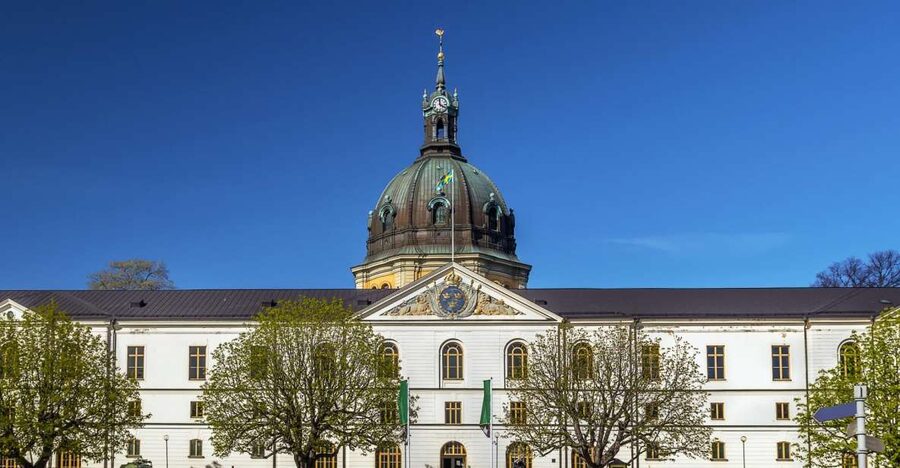
- Start at Lars Johan Hierta, a monument tied to press freedom, then connect it to WWII-era neutrality.
- See Royal Palace, Storkyrkan, and Parliament House while your guide explains who responded and how.
- Walk the Remembrance Path in Berzelii Park with the Raoul Wallenberg story.
- Hear how Sweden’s neutrality shifted over the conflict, and what that meant for trade and domestic politics.
- Pick the 3-hour option for the Army Museum, with Raoul Wallenberg material plus uniforms and wartime documents.
Stockholm is a big menu. Here is what else we tried
- Stockholm: City Archipelago Sightseeing Cruise with Guide★ 4.3 · 10,798 reviews
- Stockholm: Skansen Open-Air Museum Admission Ticket★ 4.5 · 3,427 reviews
- Stockholm: Archipelago Boat Tour★ 4.4 · 3,110 reviews
- Stockholm: Highlights Boat Tour★ 4.3 · 2,542 reviews
Why Gamla Stan Works for a WWII Tour in Stockholm
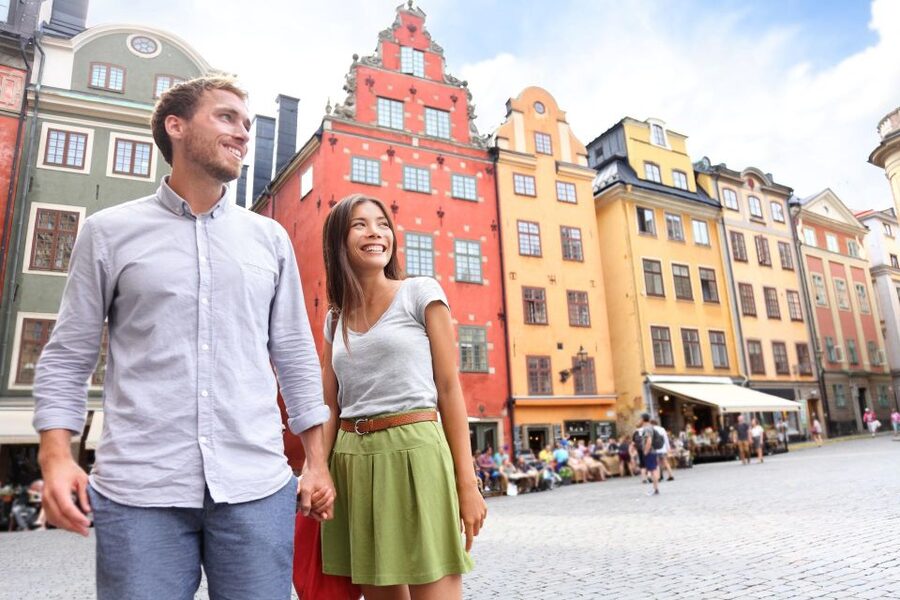
Gamla Stan is compact, walkable, and full of landmark power. For a WWII-themed tour, that matters, because the story is not just dates. It is decisions made by governments, symbols from the royal and church worlds, and the pressure felt by ordinary people.
What I like about this format is that the tour is built around that Stockholm feel, while staying focused on the war. You start with neutrality at the beginning of WWII, then follow how it changed as the conflict dragged on. That gives you a better sense of cause and effect than jumping between museums and facts.
You also get a more human layer through the Holocaust-focused stops. The tour specifically points to Jewish refugees and the humanitarian angle tied to the German occupation of Denmark and Norway. If WWII history is something you care about beyond headlines, this approach lands well.
Meeting at the Lars Johan Hierta Monument, Then Getting the Political Context
Your guide meets you at the Lars Johan Hierta Monument at Riddarhustorget 9, Stockholm. The fact that you start here is not random. Hierta was a Swedish journalist tied to free press, and the tour uses that starting point to help set the mood of wartime Sweden.
From there, you get the backbone lesson: what Sweden’s role looked like during WWII, and how neutrality functioned at different stages. You do not just hear the label neutrality. You hear how neutrality helped the German side in the broader picture, and how Sweden’s choices evolved during the war.
This is also where the tour connects the war to everyday national life. You learn about the socio-political climate in Scandinavia and how WWII influenced foreign trade and domestic politics. It is the kind of framing that helps when you later see the Royal Palace, the Parliament House area, or memorials in the open air.
The short version: you get your bearings fast, and you understand why the next streets matter.
Royal Palace, Storkyrkan, and Parliament House: Who Responded and How
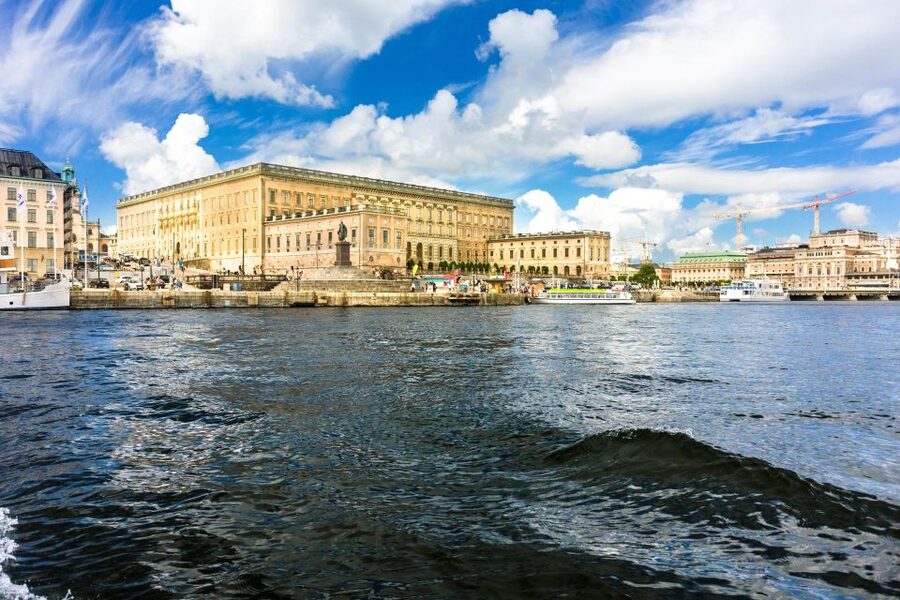
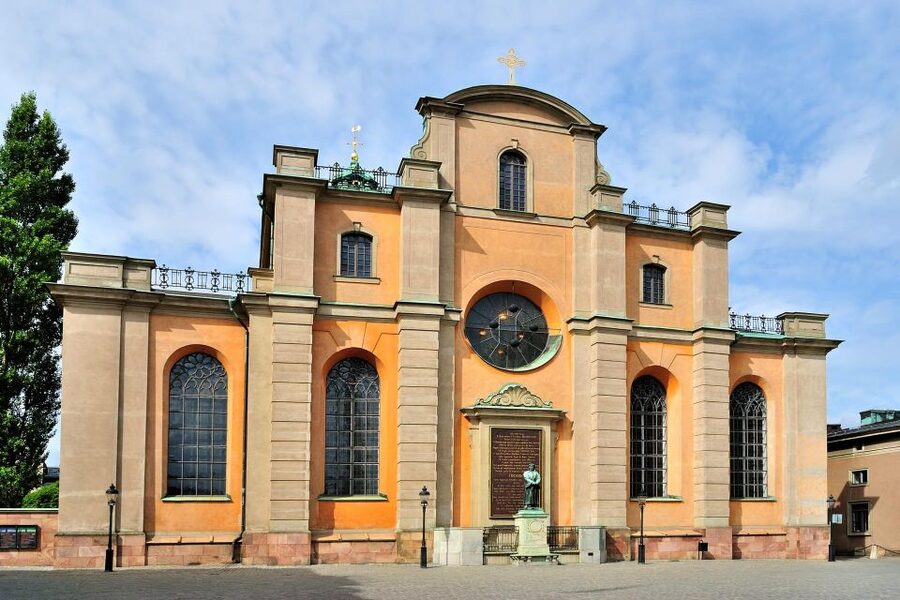
When you move into the Old Town center, the tour shifts from broad strategy to people and institutions. You admire the Royal Palace, you pass by Storkyrkan (Cathedral), and you hear about Parliament House. Then your guide explains how the royal family, the government, and the church responded during the war years.
This is one of the more valuable parts for first-time visitors to Stockholm. You get a sense of what power looks like in this city, and you also see how institutions can shape public answers in a crisis. Even if you already know the basic timeline of WWII, the institutional angle is what keeps it from feeling like a repeat of school notes.
The tour also ties the war to cultural and scientific recognition. You learn about how the war influenced the prestigious Nobel Prize awards. That is a smart thread, because it shows the conflict’s reach beyond battlefields and into Sweden’s global standing.
War Monuments and Holocaust Memory: Walking the Remembrance Path
The emotional center of the tour is not hidden behind museum walls. You follow the Remembrance Path in Berzelii Park and hear the story of Raoul Wallenberg.
This part matters because it answers the tour’s big moral questions directly. You explore whether Jewish refugees were welcome, and you learn about the humanitarian effort to save Jewish people escaping the German occupation of Denmark and Norway. The tour highlights Wallenberg’s role in rescuing ten of thousands of Jewish people from the Holocaust.
You also see monuments dedicated to WWII and the Holocaust. In Stockholm, memorials are part of the city’s outdoor language. On foot, they work better than reading alone, because you can see how the streets and landmarks sit around the memory.
If you want WWII history with a clear ethical focus, this is where you will feel it most. The guide keeps the story grounded in what happened, not just what is famous.
Other old-town lanes we walked and wrote up
Soviet Bombings, Operation Save Denmark, and the Changing Meaning of Neutrality
Neutrality is the tour’s central theme, but it is treated like a moving target, not a fixed policy. At the start of WWII, the neutrality story looks one way. By the later phases, it looks different, and the tour explains how the shift plays into what Sweden did and did not do.
You also connect neutrality to real pressures. The tour covers the impact of WWII on foreign trade and domestic politics, and it includes the account of Soviet bombings of Sweden. That is important context, because it shows neutrality was not the same as being untouched.
Then there is Operation Save Denmark, which is specifically included in the tour topics. The goal of highlighting it is to show how Scandinavia’s situation was tied together, and how events in nearby countries shaped what Sweden faced.
This is also where the tour’s discussion of Jewish refugees fits in. You learn about humanitarian efforts tied to people fleeing German occupation in Denmark and Norway, and the question of whether refugees found welcome.
The Army Museum on the 3-Hour Option: Sweden’s War Experience Beyond the Headlines
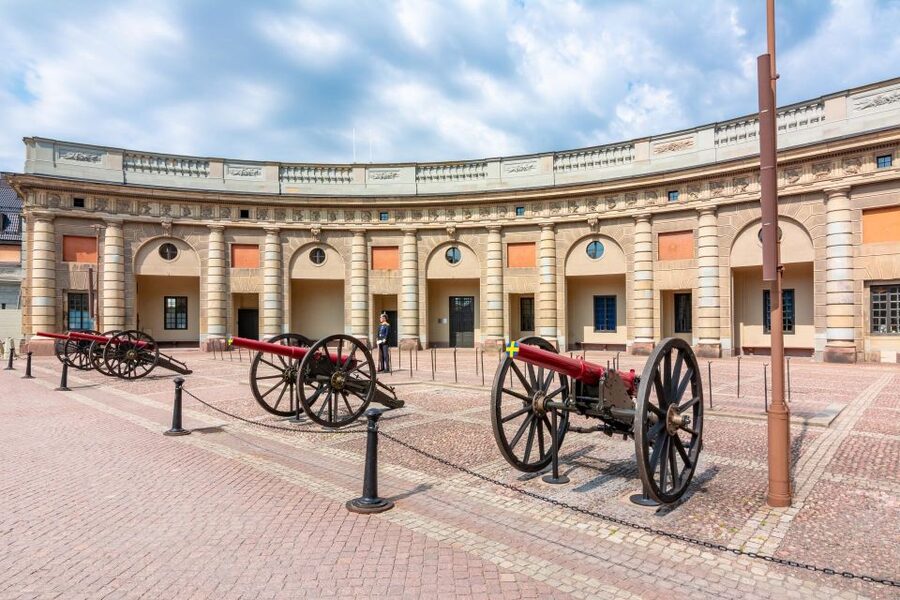
If you choose the extended tour, you add the Army Museum. The big practical point is simple: the 3-hour tour includes Army Museum tickets, while the 2-hour option does not.
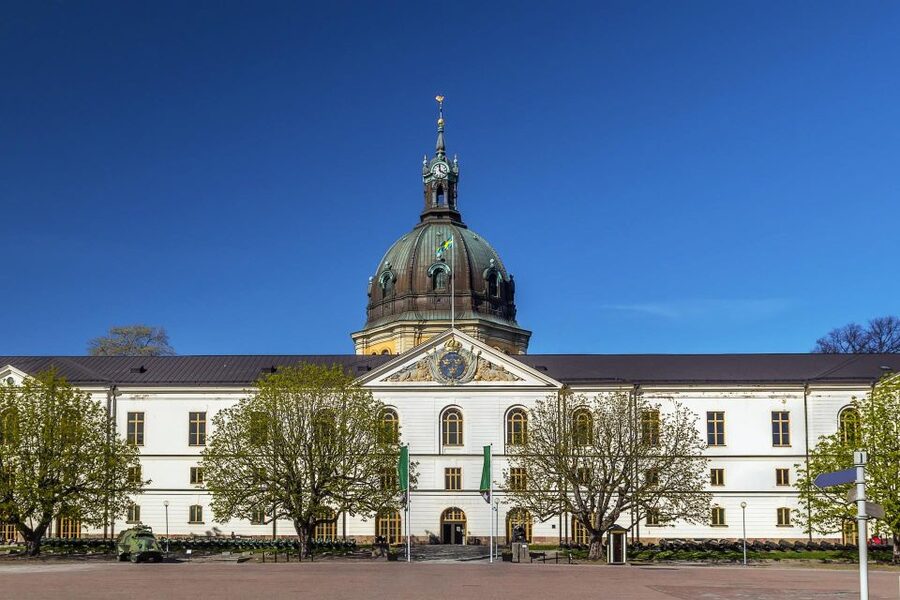
The Army Museum explores more than 500 years of wartime and peacetime in Sweden. That long view can be helpful, because it keeps WWII from feeling like an isolated chapter. You also get more than political talk. The museum gives perspective on living conditions for soldiers, their families, and the general population.
One exhibition is dedicated to Raoul Wallenberg. That means you keep the emotional and moral storyline going without repeating the same content word-for-word. The museum also features historical documents, military uniforms, weapons, and trophies. That mix helps you connect the human story to the material reality of war.
If you are a history buff, this is the part that turns the tour from “great walking narrative” into “walking narrative plus objects.”
Price, Value, and Who This Tour Feels Made For
The price is $205 per person for a 2 to 3 hour private tour. That is not cheap, but it can be fair value if you care about the guide’s interpretation and you want a focused, story-led format in Stockholm. You are paying for a licensed guide fluent in your chosen language, plus a private setting.
Here is what pushes the value in your favor. The tour is not a long list of random landmarks. It is structured around neutrality, Scandinavia’s socio-political climate, the Holocaust and Raoul Wallenberg, and how Sweden’s decisions shaped trade and domestic politics. That is harder to get from a self-guided walk.
Also, the duration affects value a lot. If you truly want the WWII plus museum combo, the 3-hour option makes sense because it includes Army Museum tickets and a deeper set of learning through exhibitions and historical displays. If you only want the Old Town story, the 2-hour option can feel more cost-efficient since it keeps the visit tight.
Group size matters too. The tour limits group sizes, and the price increases if your group needs additional guides. That is normal for private tours, but it is worth keeping in mind when you are traveling with friends or family.
This tour is a strong match if you like:
- WWII history with real local context
- Raoul Wallenberg and Holocaust memory
- A guide who connects politics, institutions, and landmarks
It is less ideal if you want a casual stroll with minimal talking. This is a narrative-heavy tour, and it asks you to think.
Small Practical Tips Before You Go
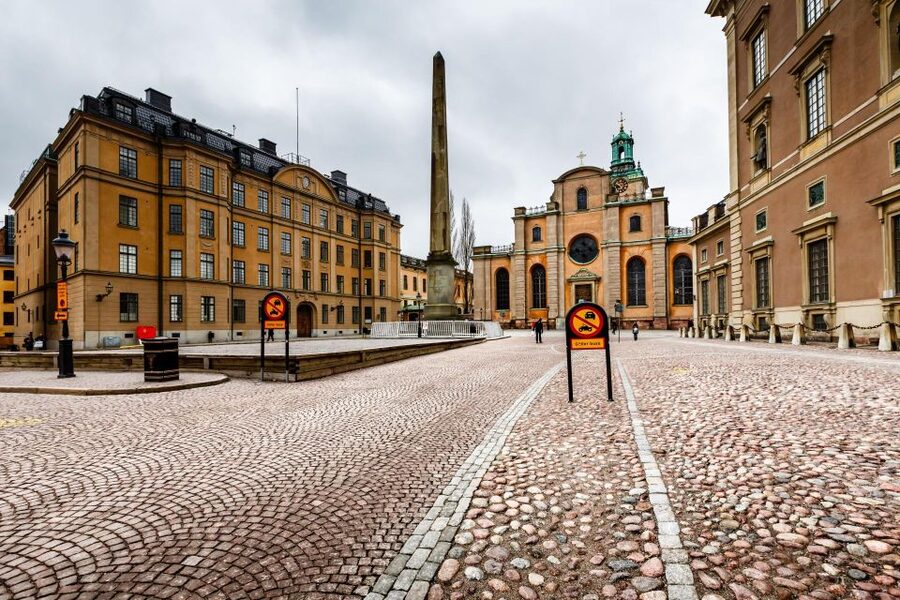
Plan for walking in Gamla Stan. Wear shoes you trust, especially if the weather is chilly or wet. Keep your coat handy, since the tour includes outdoor monuments and park stops.
Also, pick the right language when you book. The tour is available in German, Italian, French, Spanish, Russian, English, and Swedish. If you are choosing based on comfort, English usually works for first-timers, but go with whatever makes the political and moral details easiest to follow.
Finally, if you can, think about what kind of learning you want. If your priority is the story of neutrality and the Raoul Wallenberg memorial route, the 2-hour walk can be enough. If you want the museum artifacts side of Swedish military history, go for the 3-hour version.
Should You Book This WWII Stockholm Old Town and Army Museum Tour?
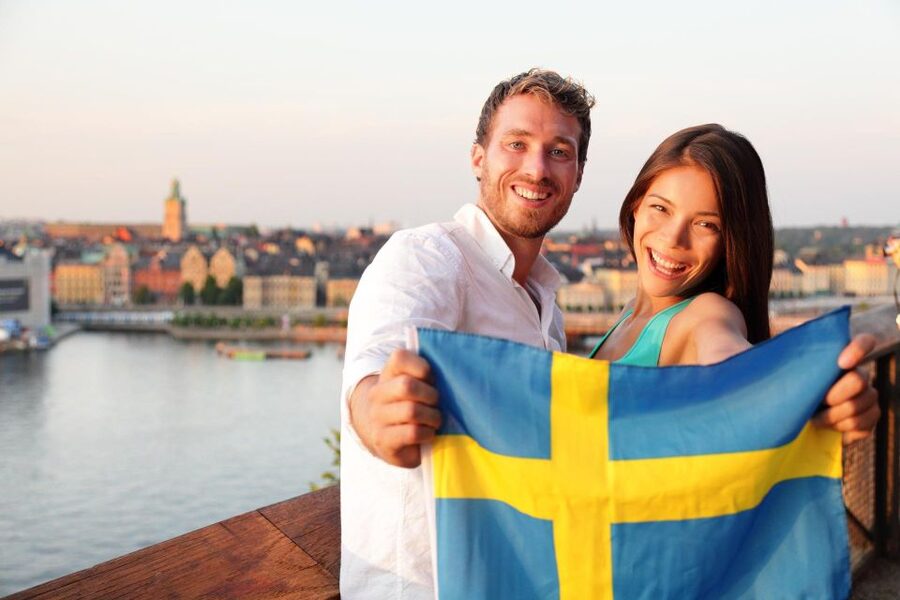
I think this is a solid booking if you want WWII history in Stockholm that is guided, specific, and tied to places you can actually see. Starting at the Lars Johan Hierta Monument helps you understand the context fast, and the Royal Palace, Storkyrkan, and Parliament House stops give the story institutional weight.
The Raoul Wallenberg portion is the emotional anchor, especially with the Remembrance Path and the focus on rescuing tens of thousands of Jewish people. If that topic matters to you, you are in the right place.
My main caution is the one you already saw in the highlights: choose the right duration. If you want the Army Museum exhibits and the Raoul Wallenberg material there, book the 3-hour tour. If you do not, the 2-hour option keeps things focused and avoids paying for a museum time block you might skip anyway.
If you like walking tours that teach rather than just show, book it.
FAQ
Where is the meeting point for the tour?
Meet your guide in front of the Lars Johan Hierta Monument, Riddarhustorget 9, 111 28 Stockholm.
How long is the tour?
The tour runs for 2 hours or an extended 3-hour option.
Is the Army Museum included in both tour options?
No. Army Museum tickets are included only with the 3-hour tour. The 2-hour tour does not include the Army Museum.
What will I see during the Gamla Stan part of the tour?
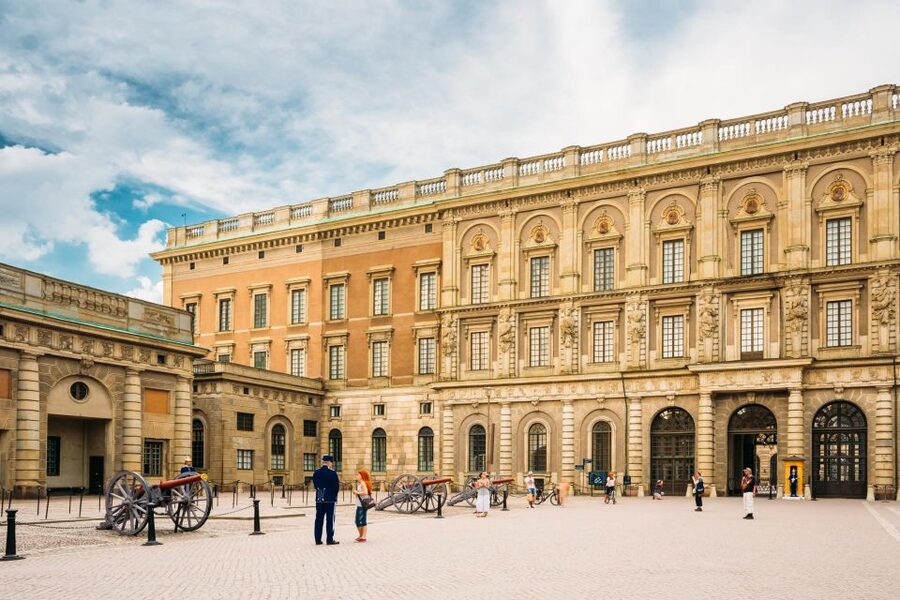
You will walk through Stockholm’s Old Town (Gamla Stan) and see landmarks including the Royal Palace, Storkyrkan, Parliament House, and monuments tied to WWII and the Holocaust, plus the Remembrance Path in Berzelii Park.
What languages are available?
The tour guide is available in German, Italian, French, Spanish, Russian, English, and Swedish.
Is the tour private?
Yes. It is a private group tour.
How big can the group be?
Group size is limited to 1-25 guests per guide, and if your group is larger (26-50), it uses 2 guides. Price can increase if more guides are required.
Is the tour wheelchair accessible?
Yes, the tour is wheelchair accessible.
What is the cancellation policy?
Free cancellation is available if you cancel up to 24 hours in advance for a full refund.
Can I reserve now and pay later?
Yes. You can reserve now and pay later, with an option to pay nothing today.
Reviewed Across Sweden




More Old Town Lanes

Stockholm, A Few More Ways
Other Swedish trips from the review pile
- ROYAL Castle Skokloster and Viking Sigtuna (private tour)
★ 4.5 · 3 reviews - Stockholm Port to Stockholm Arlanda Airport (ARN) – Departure Private Transfer
★ 3.5 · 3 reviews - Stockholm Ghost Hunt: Self-Guided Tour and Puzzle Adventure
★ 4.5 · 3 reviews - Private Photography workshop in Stockholm
★ 5.0 · 3 reviews - Private blood, ghosts and folklore Old Town 2h Stockholm tour
★ 4.0 · 3 reviews - Ghosts of Stockholm: A Guided Tour of Horror and Dark Folklore
★ 4.5 · 3 reviews
Gamla Stan & Old Town Walks, compared.
 ★ 5.0Walking Tour of Stockholm Old TownFrom $241,175 reviews
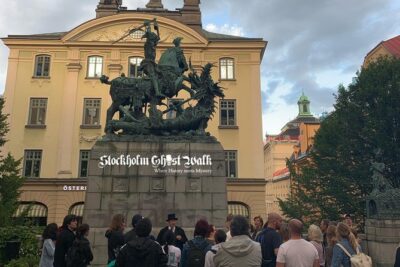 ★ 4.5The Original Stockholm Ghost Walk and Historical Tour – Gamla StanFrom $381,165 reviews
 ★ 5.0Walking Tour of Stockholm’s Old Town, Gamla StanFrom $13451 reviews
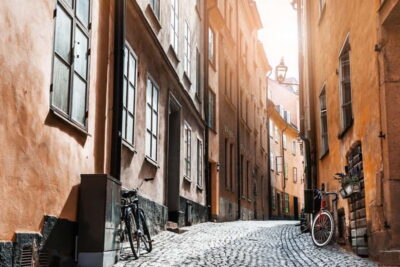 ★ 4.9Old Town Historical Walking TourFrom $52344 reviews
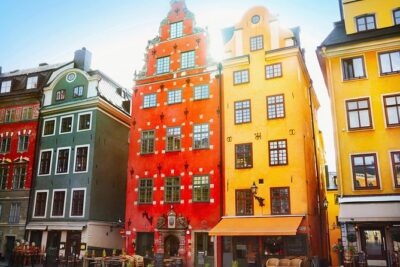 ★ 4.0Old Town Tour of StockholmFrom $51289 reviews
 ★ 4.7Old Town Guided Walking Tour (English / Deutsch)From $29284 reviews
 ★ 4.7Secrets of Gamla Stan Guided Tour w/ Fika OptionFrom $16282 reviews
 ★ 4.8Old Town Walking Tour, stories and secretsFrom $16275 reviews
Browse the lists this tour appears in