
REVIEW · SIGTUNA
From Stockholm: Viking Culture and Heritage Small Group Tour
Runestones feel personal out here. I love getting up close to Broby bro runestones and hearing what they meant, and I also love how guide Erik keeps everything grounded in real details, not TV-style hype. The main consideration is that it is an outdoor countryside outing, and food is not included, so plan a meal or snack after.
This is a focused half-day break from Stockholm, with hotel pickup and drop-off (within 5 kilometers of Stockholm Central Station) and a small group of no more than 16 people. You spend about three hours in Sweden’s Viking-era Uppland area, visiting burial grounds, causeways, and places linked to early political life.
You’ll come away with a clearer picture of who the Vikings really were, because the stops are tied to specific people and everyday choices, not just dramatic legends.
In This Review
- Key highlights at a glance
- From Stockholm Central to Uppland Viking Sites in Just Three Hours
- Broby bro Burial Ground and the Jarlabanke Runestones Stories
- Jarlabanke Bridge and Causeway: How Vikings Built Roads and Memory
- Arkils tingstad and the Viking Parliament Idea
- What You Learn About Vikings When It Is Fact-First
- Price and Logistics: Does $138 Feel Worth It?
- Dress for Outdoor Runestone Time, Especially in Winter
- Who Should Book This Tour (and Who Might Prefer a Different Day)
- Book It or Skip It?
- FAQ
- How long is the Viking Culture and Heritage small group tour?
- Is hotel pickup included?
- What is the group size?
- What language is the guide?
- Is food included in the tour price?
- Can I cancel for a full refund?
Key highlights at a glance
- Broby bro burial ground connected to the Jarlabanke Runestones and Viking burial rites
- Estrid, the Viking woman featured through on-site stories and local tradition
- Jarlabanke Bridge and causeway with raised runestones and practical insights into building roads
- Arkils tingstad Viking parliament site that shows how society was organized
- Small group size (max 16) for a calmer, question-friendly experience
- Stockholm countryside escape in only 3 hours, with a mix of monuments and setting
Stockholm is a big menu. Here is what else we tried
- Stockholm: City Archipelago Sightseeing Cruise with Guide★ 4.3 · 10,798 reviews
- Stockholm: Skansen Open-Air Museum Admission Ticket★ 4.5 · 3,427 reviews
- Stockholm: Archipelago Boat Tour★ 4.4 · 3,110 reviews
- Stockholm: Highlights Boat Tour★ 4.3 · 2,542 reviews
From Stockholm Central to Uppland Viking Sites in Just Three Hours
The tour is built for people who want history without committing a full day. Pickup happens from your hotel or accommodation within 5 kilometers of Stockholm Central Station, then you head straight into quieter countryside around Stockholm County. With a duration of about 3 hours, it works well if you are only in the city for a short stay or you want something active between museum visits.
The “small group” piece matters here. When you are outdoors at runestones and ruins, you benefit from not being herded in a large crowd. You can hear the guide’s explanations, pause for photos, and ask practical questions about what you are looking at. That limit of no more than 16 people keeps it social, but not chaotic.
Transportation is included, with a driver plus a live English-speaking guide. You are also not managing tickets or extra entry fees because all costs are included. That makes budgeting easier, but it also means your job is mostly simple: show up warm, bring a phone for pictures, and stay ready for walking on uneven ground.
A final tip before you go: since food is not included, treat this like a sightseeing-and-learning block, not a meal stop. If you usually need something to snack on mid-afternoon, plan for that.
Broby bro Burial Ground and the Jarlabanke Runestones Stories
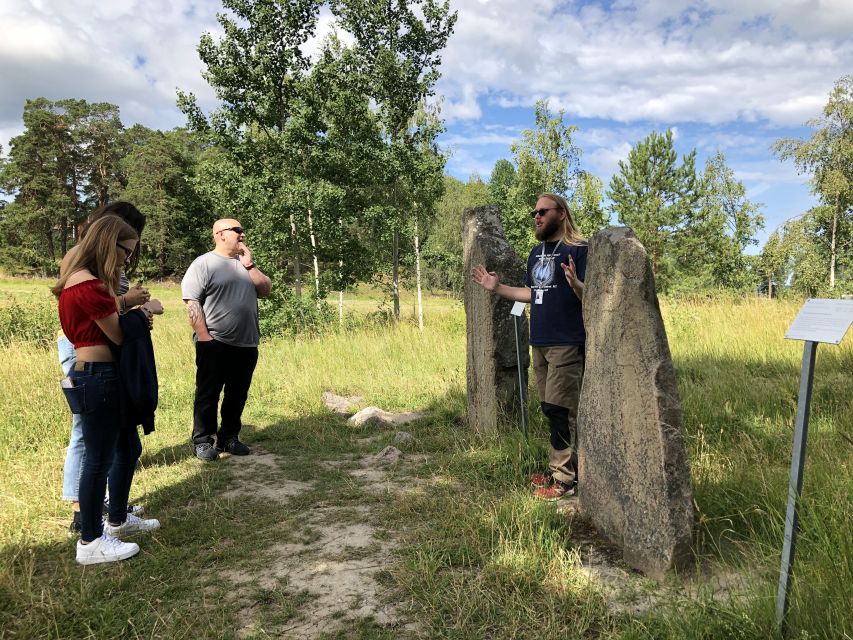
The first major stop is Broby bro, tied to the Jarlabanke Runestones in historic Uppland. This is not just a scenic photo stop. It is a burial ground where Viking-era choices around death, memory, and belief come through.
You’ll learn about Viking burial rites, and you’ll also hear how pagan and Christian traditions show up in the same landscape. That contrast is one of the most interesting parts of Uppland’s runestone culture, because it reminds you that belief was changing, not flipping overnight. In other words, this is Viking history at ground level, with real signs of transition.
One of the standout elements here is the story of Estrid, described as a mighty Viking woman. The tour uses her name and role to bring the runestones out of the abstract. Instead of treating inscriptions as random markings, you start thinking about who had the influence to commission monuments and why.
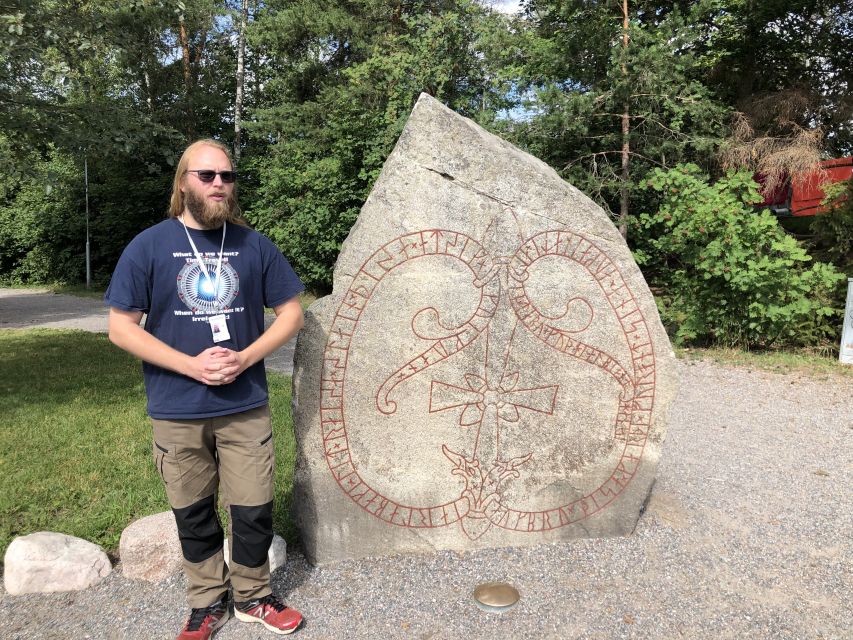
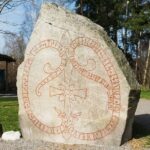
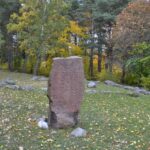
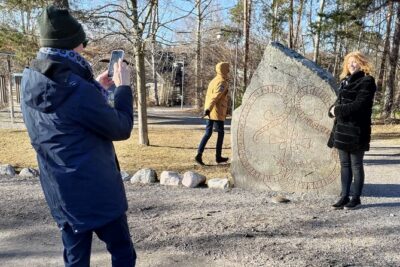
You should also expect to see several runestones at this site, including the kind of raised, carved memorials that define the Viking-age landscape in this region. If you’ve only seen runestones behind museum glass, this feels different. Here, the stone sits where the story happened, surrounded by the same kind of rural geography Vikings would have known.
Possible drawback to keep in mind: it is an outdoor site. Even in mild weather, you’ll want proper outerwear and footwear because you are standing around for explanations, plus you may walk short distances between viewpoints.
Jarlabanke Bridge and Causeway: How Vikings Built Roads and Memory
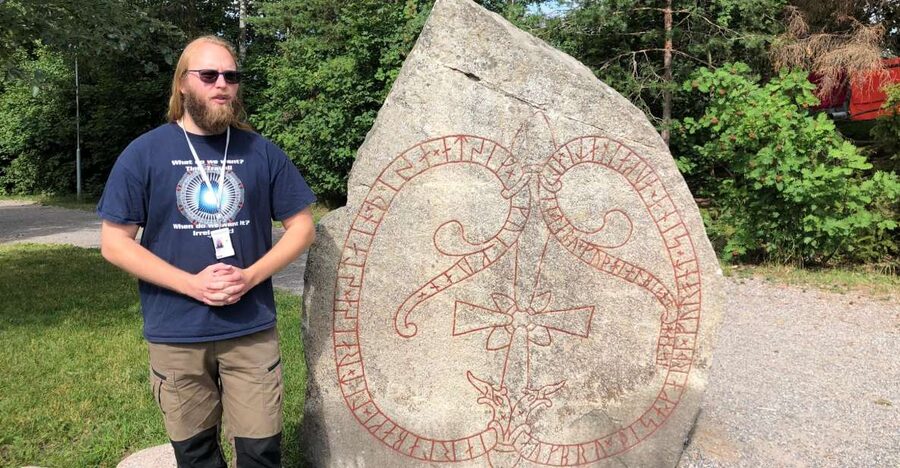
Next comes Jarlabanke Bridge, at the entrance to a causeway area. This stop connects two big ideas you often separate in your head: infrastructure and identity. The tour shows how Vikings didn’t just build for travel. They built for lasting presence, using runes to mark routes and reinforce status.
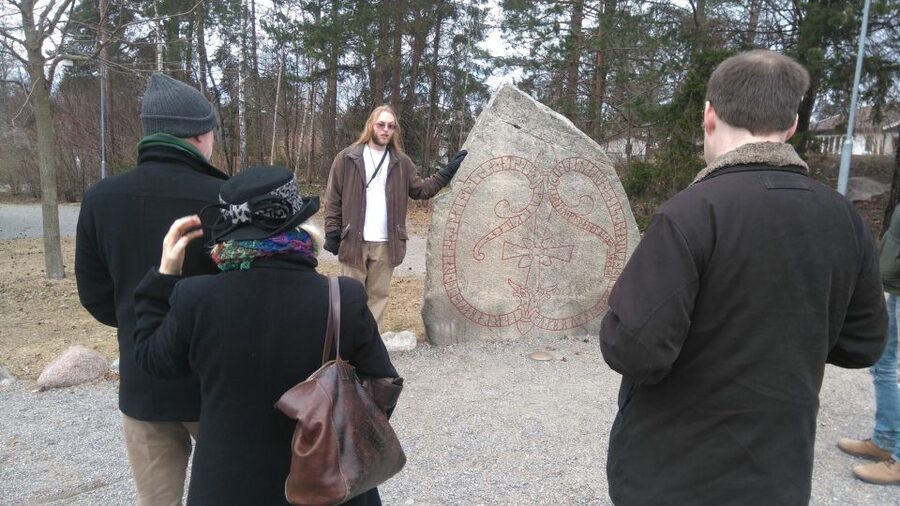
You’ll see raised runestones typical of the Viking approach to memorials. The guide explains how these stones fit into the broader environment, including why runestones appear along important passages. It helps you read the landscape differently. Instead of seeing a “forest of stones,” you start seeing a system of communication.
The tour also brings in the practical story of how Vikings built roads and bridges. That part is especially helpful if you tend to think of runestone culture as purely symbolic. Here, you learn that engineering and commemoration often traveled together. A causeway is not just a road. It is control over movement, trade, and the ability to show up where decisions are made.
Then the story shifts to the people behind the monuments. You’ll hear about the Viking chief Jarlabanke and his clan. Even if you know the name from literature, it’s much more satisfying to hear it paired with a specific physical setting, bridge, and route. The bridge stop makes the history feel more real, because you can almost picture the logistics of daily life: crossing points, travel timings, and who would have used and maintained the passage.
One more practical note: because this part is about bridges and causeways, pay attention to your footing. You don’t need hiking boots, but you do want shoes with solid grip if the ground is wet or icy.
Arkils tingstad and the Viking Parliament Idea
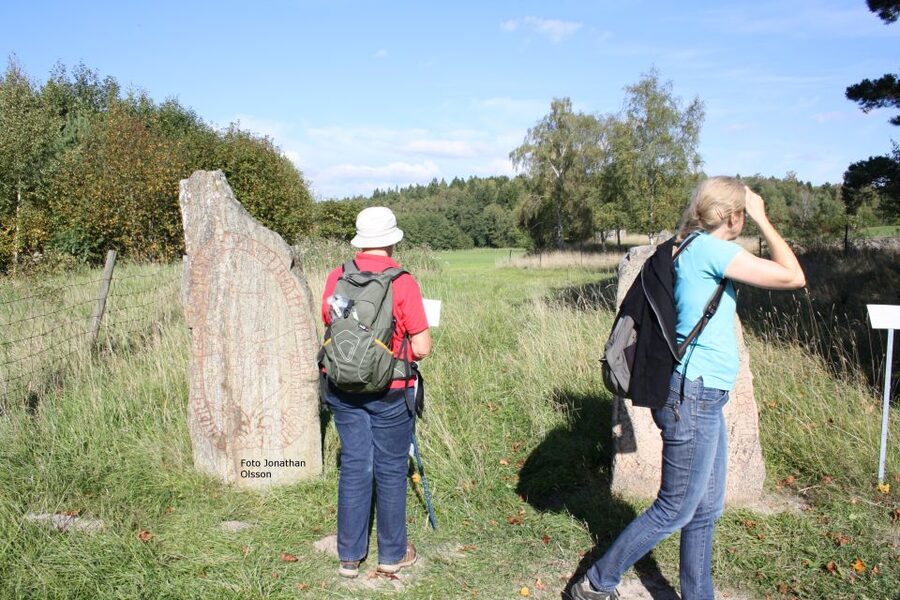
After the runestones and bridge, the tour moves to Arkils tingstad, where you can see the remains of a Viking parliament. This is one of those stops that changes how you imagine Viking society.
Instead of Vikings as only raiders and fighters, you get a view of governance and public decision-making. The guide explains how Viking society was organized, and the “parliament” framing gives you a concrete way to think about community-level leadership. This is the kind of detail that is easy to miss if you only focus on warriors and ships.
What makes Arkils tingstad useful for your understanding is that it turns social structure into something you can stand near. You are not just hearing about assemblies in a general sense. You are connecting ideas of leadership, dispute handling, and community agreements to a specific site.
If you enjoy history that feels practical and human, this is a great stop. It shows power as a process, not only a result of strength. It also gives the other runestone stops extra meaning, because monuments start to read like tools for organizing society, not just memorial art.
Keep your expectations realistic: you are looking at remains, not a preserved building. The value is in what the site represents and how the guide helps you picture how it functioned.
More rune stones, burial mounds and old kingdom stops
What You Learn About Vikings When It Is Fact-First
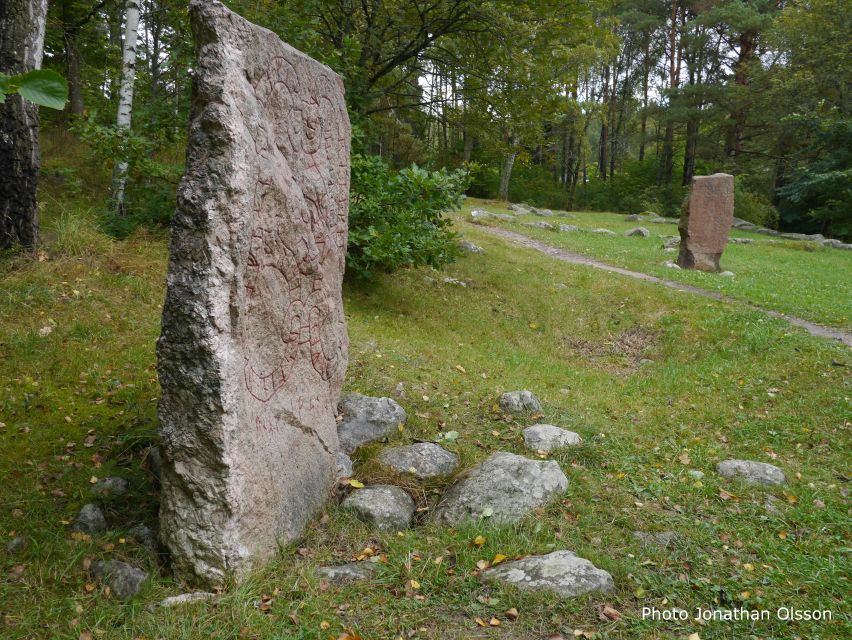
This tour does a good job of correcting the usual Viking shortcuts. You’ll hear stories that stick to real places and real traditions, including how pagan and Christian practices show up together. That blend matters because it prevents Viking history from becoming a single-note story.
The guide’s style is also a big part of why this works. The name Erik comes up in feedback as a guide with immense knowledge of Norsemen of the Viking Age, and the overall vibe is factual, not movie-like. That matters to me because Viking history gets turned into costumes so often. Here, you get a cleaner sense of what people actually did, why they built the things they built, and how they represented themselves through runes.
You also pick up that the Vikings weren’t uniform. The presence of a figure like Estrid adds nuance, and the stories of chiefs and clans reinforce that status, influence, and community roles were built into the culture.
Finally, you leave with a sharper sense of geography. The countryside surrounding Stockholm is part of the lesson. When you experience the space between monuments, runestones stop feeling like random artifacts. They feel like markers in an actual route system: where people moved, where decisions were made, and where memory was set into stone.
If you love history that connects to place, you’ll probably enjoy the way the tour keeps returning to what each site meant in its time.
Price and Logistics: Does $138 Feel Worth It?
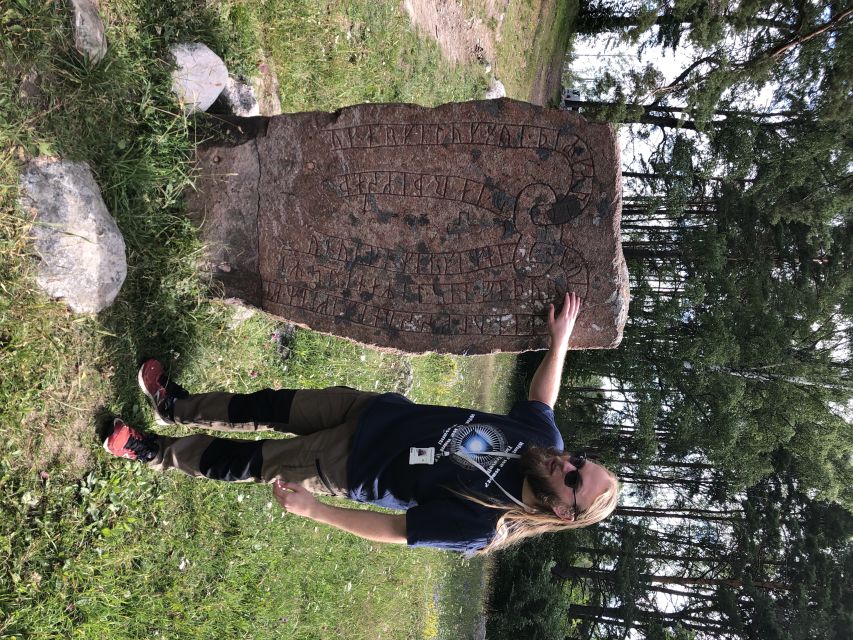
At $138 per person for a 3-hour small group tour, the key question is value. Here’s how I’d judge it.
You are paying for a few things that are usually extra on DIY days: hotel pickup and drop-off (within 5 kilometers of Stockholm Central Station), transportation to Uppland sites, and a live English-speaking guide. You also get all costs included, which simplifies the math. That’s part of the value even before you consider that you’re visiting multiple Viking-era stops.
The group size cap of 16 also nudges the value upward. It makes the experience feel more like a guided walk with access to explanations, not a quick stop-and-go bus ride. If you’ve ever tried to interpret runestones alone, you know how much easier it is with context and a guide’s storytelling.
Now the tradeoffs. Food is not included, and gratuities are not included. Also, pickup is only available within 5 kilometers of Stockholm Central Station, so if you are staying farther out, you may need to confirm whether there is an alternative arrangement.
My bottom line: if you want runestones, burial rites, and a Viking society angle in one compact half-day, $138 feels reasonable for the guide time plus transport. If you’re the type who likes to spend extra days building your own route, the value depends on how much you personally need interpretation at each stop.
Dress for Outdoor Runestone Time, Especially in Winter
This tour spends real time outdoors. In one review, winter conditions were described with deep cold and the advice was clear: bring proper cold-weather clothing and even consider ski-ready layers. That sounds obvious, but it’s worth repeating because the setting is countryside, not a warm museum hall.
Here’s what I suggest you plan for:
- Layering that lets you remove or add warmth without overheating in the van.
- Gloves you can actually keep on while looking at details on stones.
- Waterproof or winter-appropriate shoes with traction, especially near ground that could be icy.
- A hat or hood, because wind in open countryside can cut fast.
You don’t need to dress like you’re going on a mountain expedition, but you do want to be comfortable enough to stand still while the guide explains Viking burial rites or the story behind Estrid and the Jarlabanke clan.
Also, because food is not included, treat your comfort planning as a two-part job: clothing for the cold, and a plan for hunger. If you tend to get cranky when you wait, you’ll enjoy the tour more if you have a snack ready for afterwards.
Who Should Book This Tour (and Who Might Prefer a Different Day)
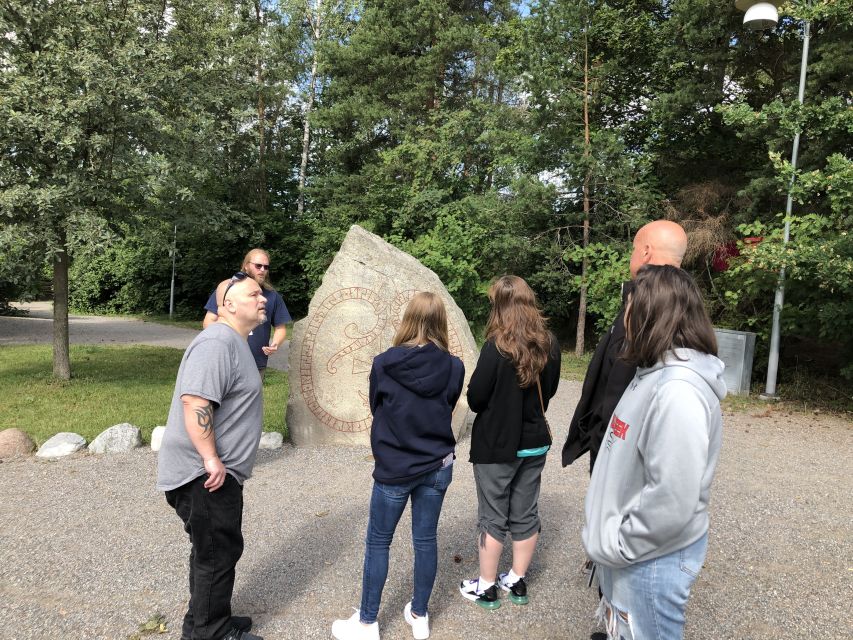
This one fits best if you want a focused Viking intro without the commitment of a full-day excursion. It is especially good for first-time visitors to Stockholm who want to get beyond the city center. If you are the type who likes monuments but also wants the social side, Arkils tingstad will likely be a highlight.
I also think this is a strong choice for travelers who want history presented as real life, not as a theme park. The fact-first approach and guide Erik’s Norsemen expertise are a match for people who care about accuracy and context.
You might reconsider if you are someone who dislikes cold weather outdoor walking or if you need food included as part of the schedule. With no food on board, you’ll want to plan meals around the tour.
And if you are already a runestone superfan who has studied Swedish inscriptions and wants deep academic interpretation, you may still enjoy the route, but you might want a longer or more specialized format. This tour is about getting grounded quickly in the key sites and stories.
Book It or Skip It?
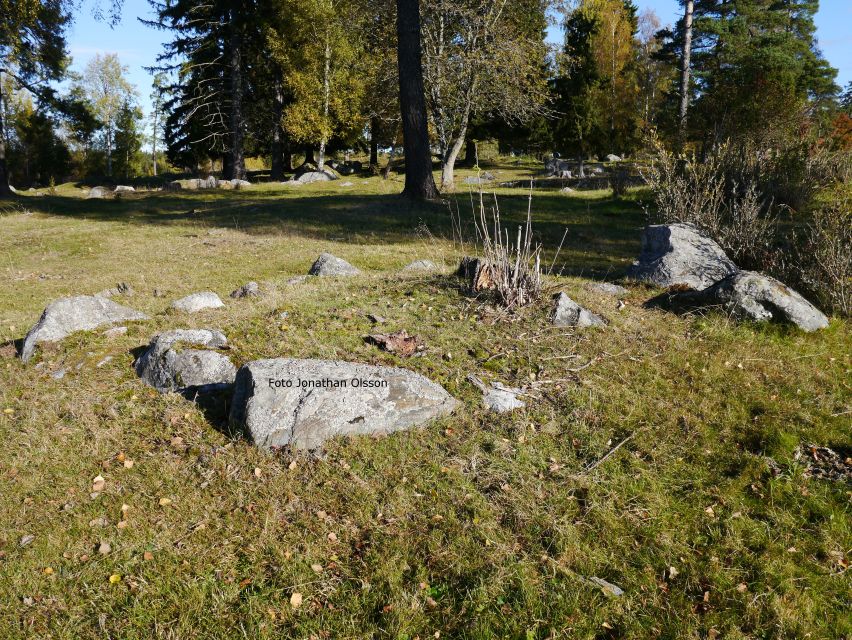
I’d book this tour if you want a compact way to see multiple Viking sites around Stockholm and learn how people organized society, honored the dead, and marked territory with runestones. The mix of Broby bro burial ground, Jarlabanke Bridge and causeway, plus Arkils tingstad gives you three angles on Viking life: ritual and memory, infrastructure and power, and community governance.
Skip it only if outdoor cold and lack of included food would make you uncomfortable, or if you already plan to spend days in the region digging into runestone history on your own with no guided help.
If you do book, do one thing that pays off fast: dress for real weather and plan your post-tour meal in advance. You’ll enjoy the stories more when you’re warm and not thinking about where to eat.
FAQ
How long is the Viking Culture and Heritage small group tour?
The tour lasts 3 hours.
Is hotel pickup included?
Yes, pickup and drop-off are included if your hotel or accommodation is within 5 kilometers of Stockholm Central Station.
What is the group size?
It is a small group tour with no more than 16 people.
What language is the guide?
The live guide speaks English.
Is food included in the tour price?
No, food is not included.
Can I cancel for a full refund?
Yes, you can cancel up to 24 hours in advance for a full refund.
Reviewed Across Sweden




Viking Ground, Further Afield

Stockholm, A Few More Ways
Other Swedish trips from the review pile
- ROYAL Castle Skokloster and Viking Sigtuna (private tour)
★ 4.5 · 3 reviews - Stockholm Port to Stockholm Arlanda Airport (ARN) – Departure Private Transfer
★ 3.5 · 3 reviews - Stockholm Ghost Hunt: Self-Guided Tour and Puzzle Adventure
★ 4.5 · 3 reviews - Private Photography workshop in Stockholm
★ 5.0 · 3 reviews - Private blood, ghosts and folklore Old Town 2h Stockholm tour
★ 4.0 · 3 reviews - Ghosts of Stockholm: A Guided Tour of Horror and Dark Folklore
★ 4.5 · 3 reviews
Viking History & Sigtuna Day Trips, compared.
 ★ 4.5The Viking Museum Exhibition and Viking RideFrom $22667 reviews
 ★ 4.0Entrance ticket to The Viking MuseumFrom $22301 reviews
 ★ 4.5Viking History, Runes & Countryside 9h Tour to Sigtuna & UppsalaFrom $298283 reviews
 ★ 4.6Stockholm Viking History Full Day Tour to Sigtuna + UppsalaFrom $266218 reviews
 ★ 4.5Viking History and Swedish Countryside Tour to Sigtuna & UppsalaFrom $274162 reviews
 ★ 4.7From Stockholm: Uppsala and Sigtuna Viking Sites TourFrom $235157 reviews
 ★ 4.5Viking History Small Group Tour from Stockholm: Half Day Including SigtunaFrom $193111 reviews
 ★ 4.5From Stockholm: Viking Culture Guided Tour with TransferFrom $19381 reviews
Browse the lists this tour appears in