
REVIEW · STOCKHOLM
Scandinavian Art, Architecture and Design Tour in Stockholm
Design clues hide in plain sight. This 3-hour walk ties together Stockholm design, architecture, and the city’s taste for beautiful details, from posh townhouse streets to major cultural landmarks. I especially like how the route keeps you moving through real neighborhoods, and how you get a true feel for Swedish style at Ostermalms Saluhall.
Two things I really liked: you’ll get design context on Östermalm streets like Nybrogatan and Strandvägen, not just vague photo stops, and you also see how architecture and food hall culture intersect at Saluhall. The only real drawback to consider is time. It is a fast-paced sampler, so if you want deep museum time, you will need to plan that separately.
Because the group max is 10 travelers, the guide can manage the flow well, and the pace works for most people when the weather is decent. If you are craving a quick, smart start to Stockholm’s look and feel, this format is a good match.
In This Review
- Key highlights you will actually feel on the street
- Staring at buildings like a design nerd, in a good way
- Meeting at Svampen, then walking the high-style streets of Östermalm
- One of Stockholm’s best food hall landmarks, in the middle of the story
- The upholstery and VIP-resident connection you will remember
- Royal Dramatic Theater, where big names and Art Nouveau meet
- Kungsträdgården and the origin of falu red paint
- The Royal Swedish Opera and the Phantom, Stockholm style
- Skeppsholmen viewpoints and the art belt around the water
- What you get for the money, and why it is decent value
- Who this tour fits best
- Tips to make the most of your 3-hour Stockholm walk
- Should you book this Scandinavian Art, Architecture and Design Tour in Stockholm?
- FAQ
- How long is the Stockholm Scandinavian Art, Architecture and Design Tour?
- What does the tour cost?
- What language is the tour offered in?
- Where do I meet the guide, and where does the tour end?
- Is Ostermalms Saluhall admission included?
- Which stops are marked as free for admission?
- How large is the group?
- Do I need a printed ticket?
- What is the cancellation policy?
- Is the tour outdoors?
Key highlights you will actually feel on the street
- Östermalm design streets, with names and context, including Stureplan, Linnégatan, Nybrogatan, and Strandvägen
- Ostermalms Saluhall, a 19th-century food hall you can walk through and snack on if you want
- Architecture stops with stories, from Kungliga Dramatiska Teatern to Kungsträdgården
- A Swedish color history moment, including the origin of falu red paint
- Skeppsholmen viewpoints and art institutions, with skyline views of Old Town
Stockholm is a big menu. Here is what else we tried
- Stockholm: City Archipelago Sightseeing Cruise with Guide★ 4.3 · 10,798 reviews
- Stockholm: Skansen Open-Air Museum Admission Ticket★ 4.5 · 3,427 reviews
- Stockholm: Archipelago Boat Tour★ 4.4 · 3,110 reviews
- Stockholm: Highlights Boat Tour★ 4.3 · 2,542 reviews
Staring at buildings like a design nerd, in a good way
Stockholm can look effortlessly stylish from a distance. Up close, it gets even better, because the city reads like a timeline. You notice how the same streets can hold older craftsmanship, newer tastes, and the Swedish love of form and function all at once.
That is what I like about this tour. It is not just you looking at facades. You are learning how people used design, materials, and layout to express status, identity, and everyday life. And since it is about architecture and design, you start seeing why certain shapes, colors, and building choices became part of Stockholm’s visual language.
It is also practical. You are outdoors for most of it, with short transitions between stops, so you can get your bearings fast without spending your whole day in transit.
Meeting at Svampen, then walking the high-style streets of Östermalm
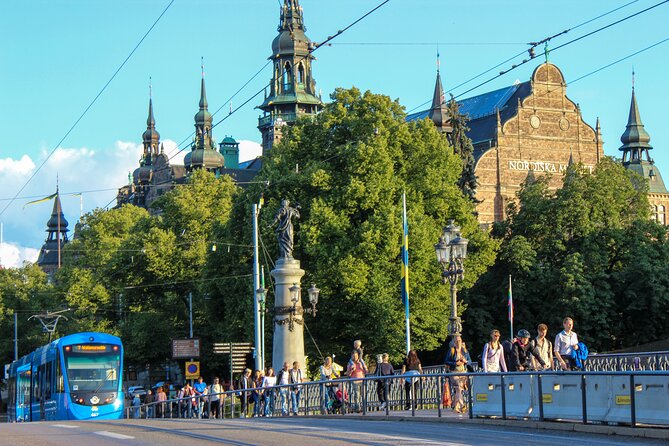
The tour starts at Svampen in Östermalm, right by Stureplan. That is a smart location because it puts you near a major hub, and Östermalm is the perfect place to begin if you want the city’s design side.
From there, you move through the streets that helped make Östermalm one of Stockholm’s best-known design addresses. The walk covers areas tied to famous Swedish design, upholstery, and antique houses. You also pass through key streets including Linnégatan, Nybrogatan, Strandvägen, and Stureplan itself.
What makes this part valuable is the way the guide frames the neighborhood. You are not just absorbing pretty buildings. You are learning what the district historically represented, and why these streets became the stage for showrooms, high-end interiors, and a culture that treats design as a serious craft.
What to watch for: keep an eye on window proportions, door details, and the way buildings meet the sidewalk. Even during a short stop, you can spot how architecture supports a lifestyle that is both public (streets and storefronts) and private (townhouses and interiors).
Possible drawback: this is a walking overview, so if you are hoping to go inside many shops at this stage, you will want to plan extra time later.
One of Stockholm’s best food hall landmarks, in the middle of the story
Next comes Ostermalms Saluhall, one of Stockholm’s best-known food halls. This is not an add-on stop. It is a real architectural and cultural moment.
The building dates to the 19th century, and you get to walk through the market space as part of the tour. That means you are tying architecture to daily life. It is easier to remember design details when you see how people use the space around them, from how vendors set up to how visitors flow through the hall.
You will also have time here to experience typical Swedish food. Even if you do not buy much, the point is that Saluhall is where you can feel Stockholm’s modern rhythm sitting inside a historic container.
Why I think this stop is worth it: design tours can sometimes feel too aesthetic, like everything is only about appearance. Saluhall brings you back to function. It reminds you that strong design is about movement, comfort, and how people gather.
Small practical note: this stop is shorter than others, so if you want a full meal, you may want to do that on your own after the tour ends.
The upholstery and VIP-resident connection you will remember
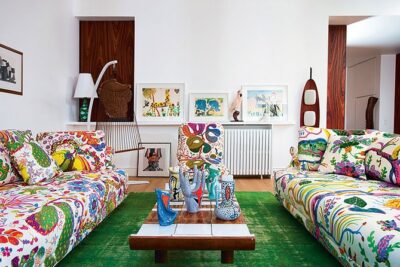
Between the food hall and the next big landmark, the tour includes a stop where Swedish design meets the lifestyle needs of Stockholm’s most VIP residents. The focus here is on one of the most famous Swedish upholstery household names.
I like this kind of stop because it translates design from theory into real objects. Upholstery is not just decoration. It is about materials, comfort, and the craft of making rooms feel personal. And when it is connected to a high-end residential district, it helps you understand why certain interior trades became culturally important in Sweden.
Even if you are not shopping, you get a story-driven sense of how Swedish interior brands built their reputation and why Stockholm became such fertile ground for design-focused brands.
More Swedish design, art and clean lines


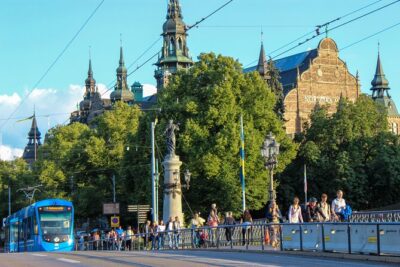
Royal Dramatic Theater, where big names and Art Nouveau meet
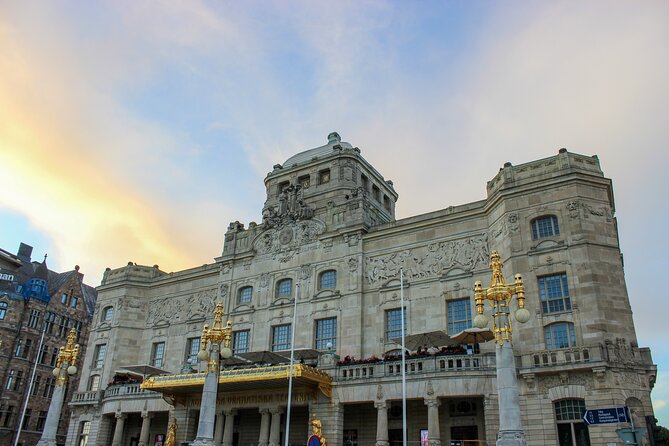
One of the most striking parts of the walk is the Royal Dramatic Theater, Kungliga Dramatiska Teatern. This is described as a landmark of the Art Nouveau period, and the building dates back to the 18th century.
That combination is exactly why I enjoy architecture tours. You learn to expect layers. Stockholm buildings do not always fit a single style box, and the theater is a good example of how different eras can show up in one place.
The guide also connects the theater to Swedish cultural history. Famous stars including Greta Garbo and Ingrid Bergman (from Casablanca) had their start here, which gives you a second lens for looking at the building. You are seeing the architecture, but you are also seeing why the stage mattered.
Time is short here, so treat it like a focused exterior stop. The value is the story and the visual cues you can pick up quickly.
Kungsträdgården and the origin of falu red paint
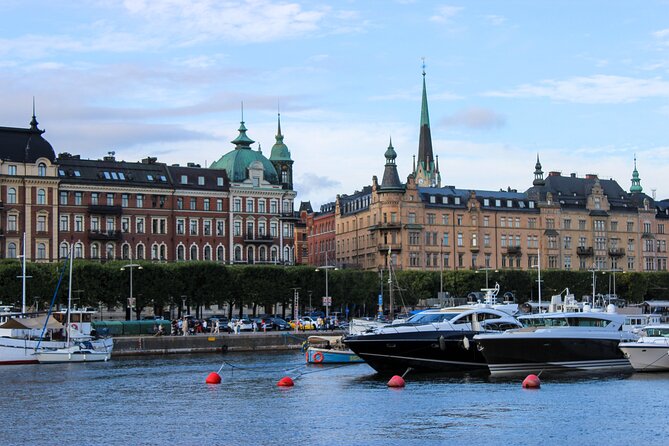
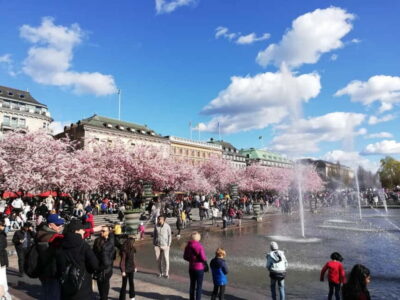
Next is Kungsträdgården, King’s Garden. This is a reminder that Stockholm does not only do “architecture.” It also does urban greenery, and the design of green spaces matters to how people experience the city.
You will explore why green spaces are important to Stockholm’s urban landscape and how different architectural phases show up in the area, with references ranging from Gothic to Baroque to modern influences. The tour also connects the garden’s origins to the 15th century and tracks the garden through reinventions over time.
One of the most memorable details here is the discussion of the origin of Sweden’s iconic falu red paint. If you have seen that coppery red on wooden facades around Stockholm and in Swedish countryside scenes, this is where it starts to make sense.
Why this matters for you: once you understand the story behind a color, you stop seeing it as a random style choice. It becomes a material and cultural clue.
Weather note: this is outdoors. If the weather is good, you will enjoy this stop more than you expect, because the garden makes the rest of the walk feel less like a hurry and more like a stroll.
The Royal Swedish Opera and the Phantom, Stockholm style
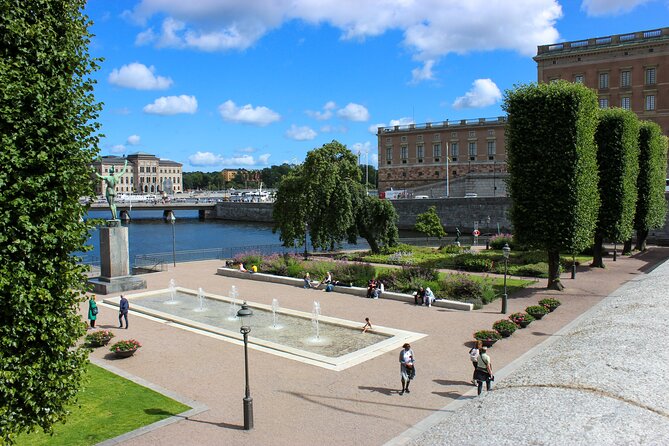
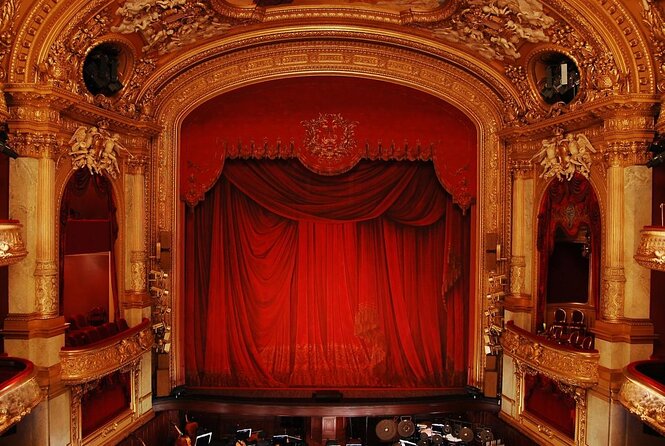
The tour also includes a stop at the Royal Swedish Opera, a masterpiece dating to the late 19th century. Here, the guide shares a story about the Phantom of the Opera in Stockholm style.
Even if you already know the general legend, the Stockholm-angle framing is what makes this worthwhile. You learn how local context reshapes a familiar idea, and you notice how a major performing arts building becomes part of a city’s identity.
Because the time at this portion is not laid out in the same detail as other stops, approach it like a short storytelling break. Let the setting do its job, and then keep moving.
Skeppsholmen viewpoints and the art belt around the water
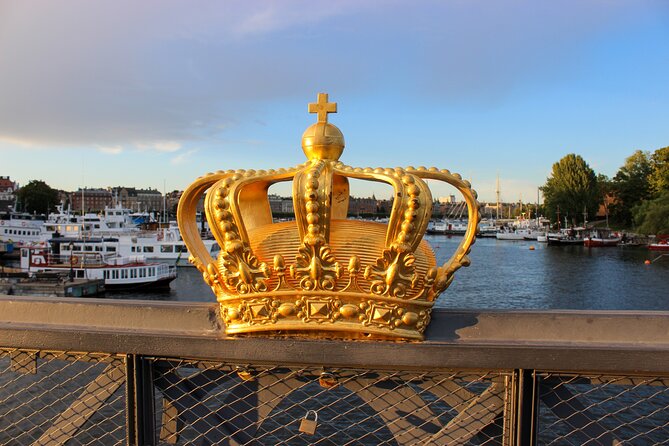
For the last stop, you head to Skeppsholmen, one of the prettiest islands in central Stockholm. This is where the tour shifts from “streets and facades” to “views and institutions.”
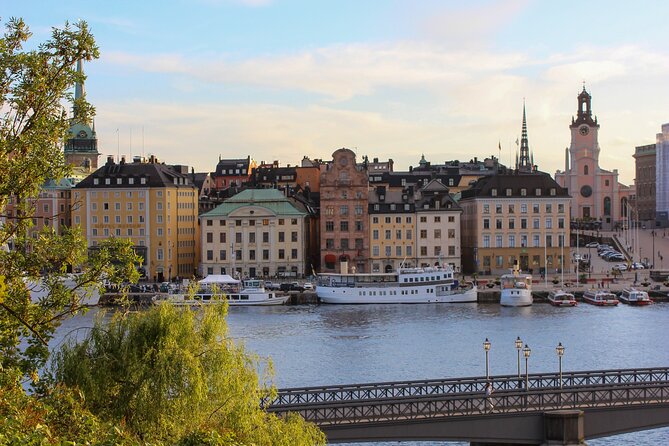
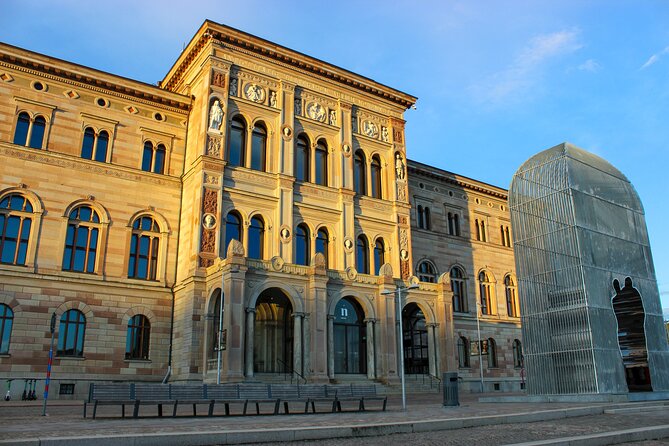
You get a gorgeous perspective toward Old Town, and Skeppsholmen is associated with major Swedish art museums. The tour references places like the National Museum, Moderna Museet, and ArkDes.
What I like about wrapping up here is that it gives your brain somewhere to rest. After design details and architectural eras, you end with a wide view. It also helps you understand Stockholm spatially: the water shapes the city’s identity, and these art spaces sit right at the center of it.
Practical advice: if you plan to continue your day, this is a smart launch point for more culture. Bring comfortable shoes and consider checking museum hours right after the tour, since you will already be geographically oriented.
What you get for the money, and why it is decent value
The price is listed as $61.62 per person for about 3 hours. That might sound “market normal,” but value is about what you get in that time, not the sticker.
Here is the value equation I see:
- You cover multiple districts and landmark types, from posh residential design streets to a 19th-century food hall to major theaters and parks.
- You get included access for design shops and a ticket-included food hall stop, which helps justify the cost.
- The max group size is 10, which keeps the experience from feeling like a herd.
Also, because the tour is in English and uses a mobile ticket, it is easy to manage. For a first or second day in Stockholm, it is a good use of time. You get a mental map of what to look for later when you explore on your own.
Who this tour fits best
This tour is a strong match if you want:
- A fast introduction to Stockholm design culture, especially the Östermalm side
- Architecture stories tied to real places, not just dates
- A mix of exterior viewing and one substantial indoor stop at Saluhall
- Time to browse design stores, at a self-paced pace
If you are the type who likes walking tours but gets bored with only monuments, this version tends to land better because it keeps your attention on how design shows up in everyday life.
One more useful detail from a standout guide experience: a guide named Olesia received praise for engaging stories and for balancing guided insight with time to explore design shops on your own. If you get a guide with that style, you will likely appreciate the mix of structure and freedom.
Tips to make the most of your 3-hour Stockholm walk
You do not need to overthink it, but a few choices will help:
- Wear comfortable shoes. The route is mostly walking.
- Dress in layers. You will spend time outdoors in a city that can shift its mood quickly.
- Bring small cash or a card for Saluhall items, even if your plan is just to sample.
- If you love design shopping, note that the tour includes access to design shops, so you may want to arrive ready to browse.
And the best mindset: look at buildings like they are objects with purpose. Windows are not random. Colors are not random. Streets were chosen for a reason.
Should you book this Scandinavian Art, Architecture and Design Tour in Stockholm?
I think you should book it if you want a compact, design-forward way to start seeing Stockholm differently. It is well-paced for a 3-hour format, it hits meaningful stops, and it includes one of the city’s most recognizable food hall settings without turning the tour into a meal event.
I would skip it or pair it with extra time elsewhere if you are looking for hours in museums, deep interior access, or a slow, neighborhood-by-neighborhood wandering day. This is a sampler that helps you aim your later days. It does not try to replace full museum visits.
If you are traveling in good weather, you like architecture and interiors, and you want a smart first pass through Östermalm plus landmark anchors, this tour is an easy yes.
FAQ
How long is the Stockholm Scandinavian Art, Architecture and Design Tour?
The tour lasts about 3 hours, with travel time included in that duration.
What does the tour cost?
The price is $61.62 per person.
What language is the tour offered in?
The tour is offered in English.
Where do I meet the guide, and where does the tour end?
You start at Svampen Stureplan, Östermalm, 114 35 Stockholm, Sweden. The tour ends in front of the Nationalmuseum at Södra Blasieholmshamnen 2, 111 48 Stockholm, Sweden.
Is Ostermalms Saluhall admission included?
Yes. Ostermalms Saluhall is listed with admission ticket included.
Which stops are marked as free for admission?
Ostermalm and Kungsträdgården are listed with admission free. Royal Dramatic Theater is also listed as free.
How large is the group?
The tour has a maximum of 10 travelers.
Do I need a printed ticket?
No, it uses a mobile ticket.
What is the cancellation policy?
Free cancellation is available. You can cancel up to 24 hours in advance for a full refund. If you cancel less than 24 hours before the start time, the amount paid is not refunded.
Is the tour outdoors?
It depends on weather, but it requires good weather. If canceled due to poor weather, you are offered a different date or a full refund.
Reviewed Across Sweden





Design, Art And Clean Lines





Stockholm, A Few More Ways
Other Swedish trips from the review pile
- ROYAL Castle Skokloster and Viking Sigtuna (private tour)
★ 4.5 · 3 reviews - Stockholm Port to Stockholm Arlanda Airport (ARN) – Departure Private Transfer
★ 3.5 · 3 reviews - Stockholm Ghost Hunt: Self-Guided Tour and Puzzle Adventure
★ 4.5 · 3 reviews - Private Photography workshop in Stockholm
★ 5.0 · 3 reviews - Private blood, ghosts and folklore Old Town 2h Stockholm tour
★ 4.0 · 3 reviews - Ghosts of Stockholm: A Guided Tour of Horror and Dark Folklore
★ 4.5 · 3 reviews
Stockholm City Tours, compared.
 ★ 4.3City Archipelago Sightseeing Cruise with GuideFrom $4110,798 reviews
 ★ 4.5Skansen Open-Air Museum Admission TicketFrom $273,427 reviews
 ★ 4.4Archipelago Boat TourFrom $393,110 reviews
 ★ 4.3Highlights Boat TourFrom $392,542 reviews
 ★ 4.1Stockholm Pass: Save up to 50% – Includes Vasa Museum TicketFrom $952,392 reviews
 ★ 4.7Ghost Walk and Historical TourFrom $312,206 reviews
 ★ 5.0Walking Tour of Stockholm Old TownFrom $241,175 reviews
 ★ 4.5The Original Stockholm Ghost Walk and Historical Tour – Gamla StanFrom $381,165 reviews
Browse the lists this tour appears in