
REVIEW · SöDERMALM
Stockholm: Scandinavian Architecture & Design Ostermalm Tour
Stockholm style reads like a street-by-street museum. In Östermalm, you get a guided path from the late 1800s onward, reading the city’s architecture and design through the buildings themselves. I like that the tour ties the look of Stockholm to the ideas behind it, not just the postcard view.
The pace is friendly but busy, with multiple photo stops in a 3-hour window. If you want long museum time or deep browsing in shops, you may wish you had more hours to work with.
In This Review
- Key things I think you will enjoy
- Why Östermalm is a smart choice for architecture and design
- Meeting at Svampen and how the 3-hour format works
- Stureplan to Östermalmshallen, the city’s style you can see and taste
- Östermalm district stroll, where the façades tell the story
- Strandvägen, the Royal Dramatic Theatre, and park breaks that reset your eyes
- Royal Swedish Opera and the National Museum run-up
- The design-store visits, what to look for once you are inside
- What the guide experience is really like (based on how past tours are described)
- Price and value, what you really get for $66
- Who this tour is best for, and who might want something else
- What to bring, and how to avoid small annoyances
- Should you book the Stockholm Scandinavian Architecture and Design Östermalm Tour?
- FAQ
- How long is the Stockholm Scandinavian Architecture & Design Östermalm Tour?
- Where do I meet the guide?
- What is included in the tour price?
- How large is the group?
- Is the tour wheelchair accessible?
- What should I bring?
- What is the cancellation policy?
Key things I think you will enjoy
- Svampen start point: meet under the raincover by the mushroom-shaped Svampen landmark, and spot the guide by the neon name tag lanyard
- Small group size: limited to 10 participants, so questions actually get answered
- Östermalmshallen market hall stop: architecture plus real food-market energy, with local snacks and a short browse
- Design-store visits: two well-known Swedish design retailers are built into the route, not left as optional detours
- Big cultural backdrops: Royal Dramatic Theatre, Kungsträdgården Park, and the Royal Swedish Opera work as outdoor design-and-style lessons
- National Museum sculpture garden finish: a strong ending for photos and a final dose of form and materials
Stockholm is a big menu. Here is what else we tried
- Stockholm: City Archipelago Sightseeing Cruise with Guide★ 4.3 · 10,798 reviews
- Stockholm: Skansen Open-Air Museum Admission Ticket★ 4.5 · 3,427 reviews
- Stockholm: Archipelago Boat Tour★ 4.4 · 3,110 reviews
- Stockholm: Highlights Boat Tour★ 4.3 · 2,542 reviews
Why Östermalm is a smart choice for architecture and design
Östermalm is one of those Stockholm neighborhoods where style is not just something you wear. It is built into the streets. You will notice it in the way buildings line up, how façades are detailed, and how public spaces feel planned rather than accidental.
This tour is also well matched to people who like the “why” behind design. Instead of treating architecture as a set of pretty surfaces, the walk frames it as a timeline, from older influences forward into the city’s more modern design identity. That approach helps you see Stockholm as a long conversation between tradition and taste.
And yes, you will get the classic Stockholm photo angles. But the real value is learning how designers and architects shaped what you see, and how Swedish design culture became a global export.
Meeting at Svampen and how the 3-hour format works
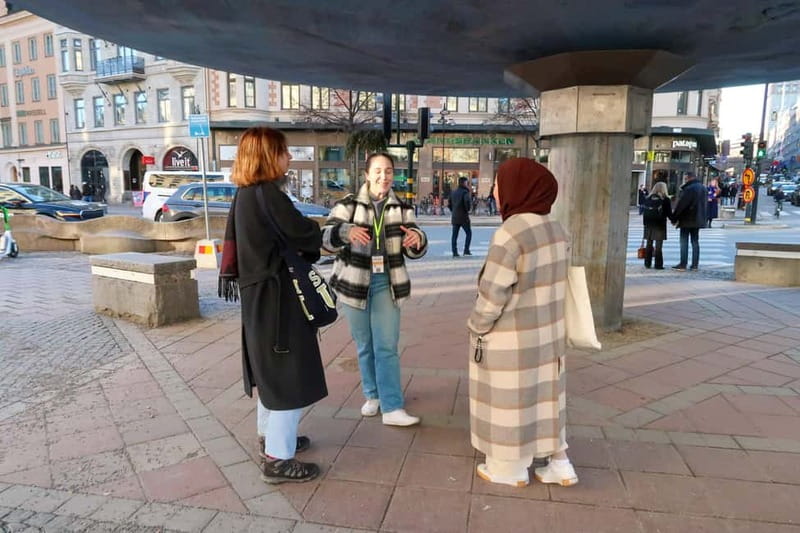
You start at Svampen, under the raincover at the mushroom-shaped landmark. Arrive 5 to 10 minutes early, because the first minutes matter when you are trying to find the correct group. The guide wears a neon name tag lanyard, which makes it easier if you are jet-lagged or the weather is doing its thing.
This is a live, English-language tour with a small group (up to 10). That size is a big deal. You are not lost in a crowd, and the guide can pivot when someone asks a specific question about a façade, a design shop, or a landmark.
The tour also includes skip-the-line access using a separate entrance, which helps when you want to spend your energy looking, not waiting. And it is wheelchair accessible, so you can plan without guessing how tight the route might feel.
The tradeoff is time. With 3 hours, you will hit several “photo and walkthrough” stops. That is great for getting your bearings fast, but it means the tour is not designed for slow, spend-all-afternoon museum browsing.
Stureplan to Östermalmshallen, the city’s style you can see and taste
Your first major guided stop is Stureplan, followed by a visit to Östermalmshallen, the market hall. Stureplan is one of those places where the street energy immediately tells you Stockholm is confident about design. Expect a guided look that connects building styles and artistic influences, not just a general “this is pretty” walk.
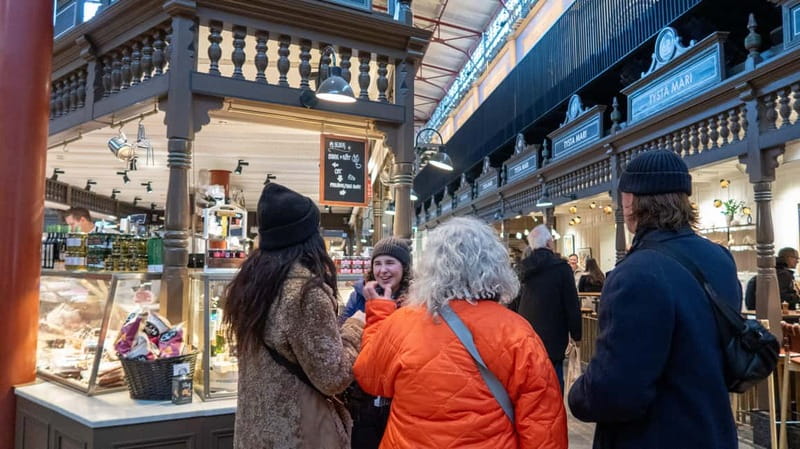
Then you shift into the kind of stop that makes architecture tours feel real: Östermalmshallen. This is a food market, and the experience includes time for photos plus a guided tour inside. You also get the chance for local snacks and regional food, plus shopping time.
Why this matters for you: Stockholm’s reputation for design can feel abstract until you connect it to daily life. A market hall is where materials, layout, and everyday habits meet. You will likely notice how the building and the market culture work together, and that is a key theme in how Scandinavian design became part of ordinary routines.
Possible drawback: if you are not a snack person, the market hall still is worth it for the interior design and the atmosphere, but you might want to go in with a mindset of light tasting rather than a full meal.
Östermalm district stroll, where the façades tell the story
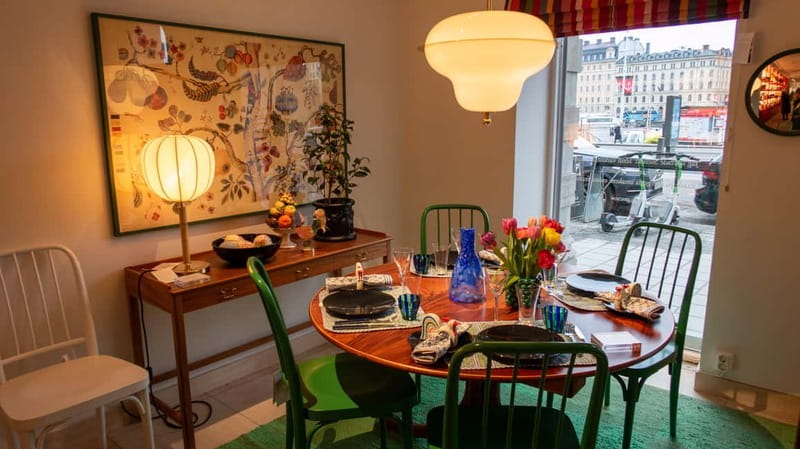
After the market hall, the tour continues through the Östermalm district. This stretch is built for “look closely” energy. You will pass by areas where the city’s design culture shows up in details, like stonework, window proportions, and how the streets frame buildings.
This part is also where the tour’s timeline feel starts to click. By this point, you are not just collecting landmarks. You are noticing patterns: how older styles influence later buildings, and how the city kept refining its aesthetic rather than changing it overnight.
If you love photos, this is the kind of leg that rewards slowing down for 20 seconds here and there. The walk is guided, but you can still find your own angles and capture street-level details that most quick self-guided visits miss.
Off the tourist spine, more Stockholm districts
Strandvägen, the Royal Dramatic Theatre, and park breaks that reset your eyes
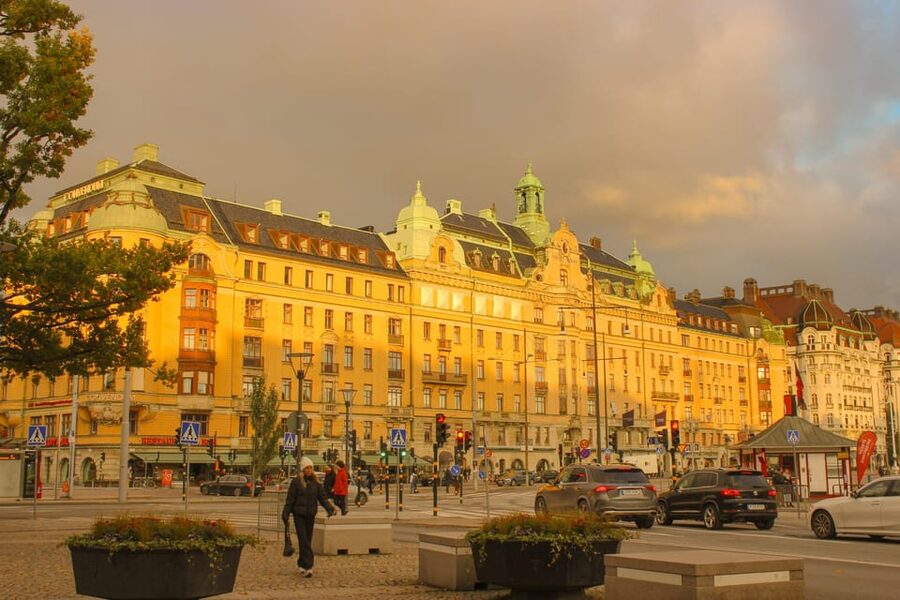
Next up is Strandvägen, known for scenic waterfront views and a grand urban feel. You get break time plus a guided look along the way, including photos. Even if you have seen pictures of Stockholm before, Strandvägen tends to land differently in person, because the scale becomes obvious.
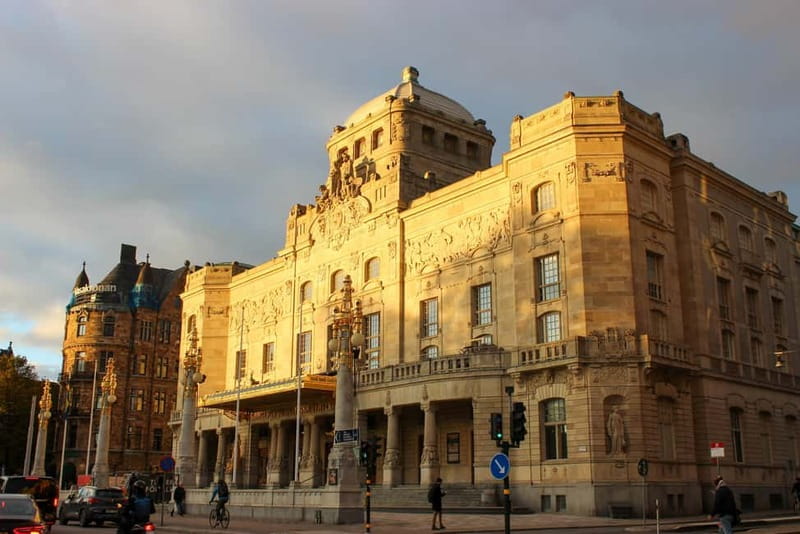
From there, the route brings you to the Royal Dramatic Theatre for a short photo stop and guided visit. This is a quick moment in the larger story of Swedish culture, where architecture intersects performance, and buildings become part of the city’s identity.
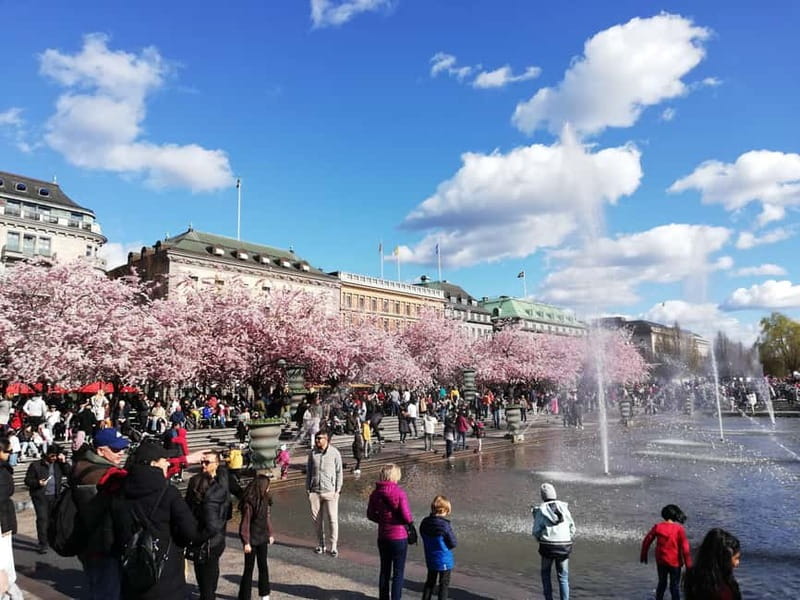
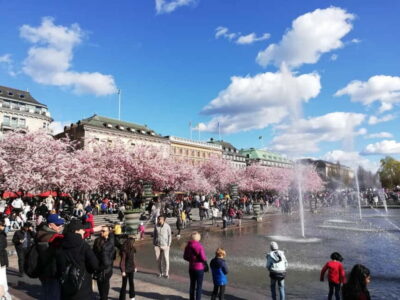
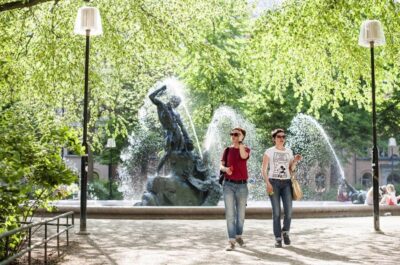
Then comes Kungsträdgården Park. You will get a photo stop, some guided sightseeing, and time to walk. Parks matter on a design tour. Your brain needs a visual reset. After façades and stone details, greenery gives you breathing space and makes the next landmark pop more.
Royal Swedish Opera and the National Museum run-up
The tour continues with Royal Swedish Opera for sightseeing and walking time. This stop is less about shopping and more about context, style, and how the building sits within the city’s rhythm.
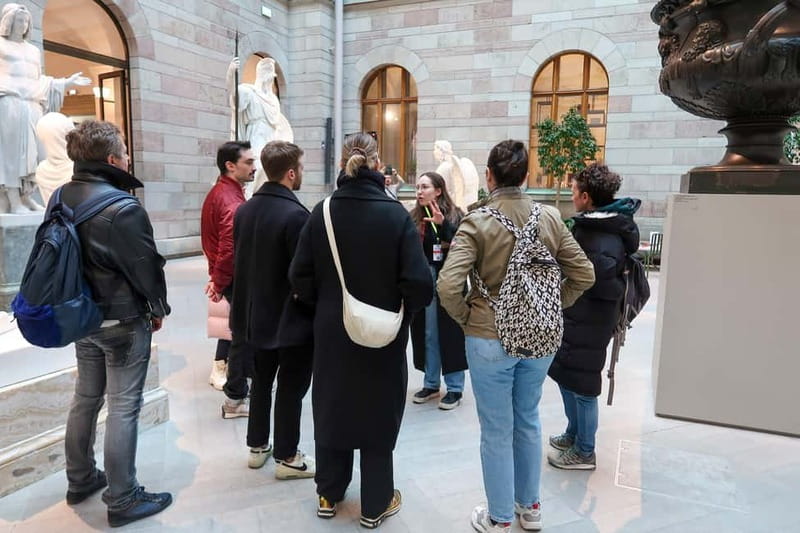
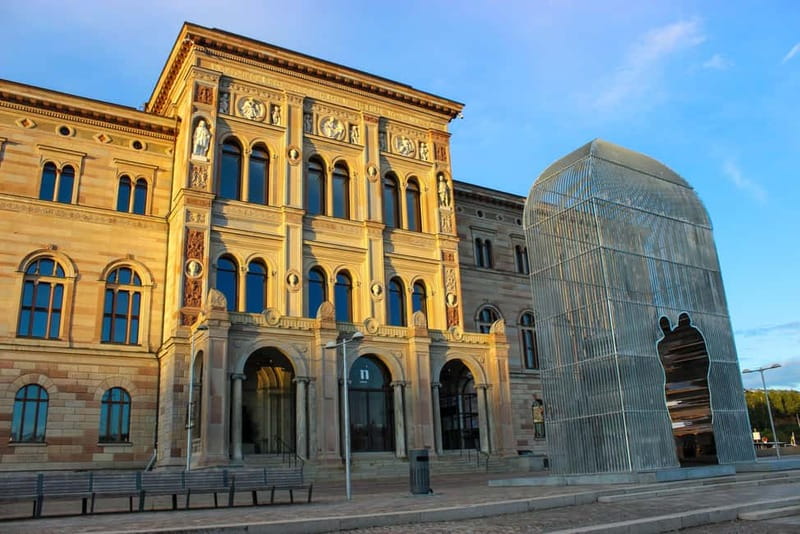
Then you finish with the National Museum. The schedule includes a photo stop, visit, guided tour, sightseeing, and a walk with a scenic feel, timed near sunset. The exact amount of time is short, but the structure gives you a strong end point, plus a natural moment to take in the broader city views.
One important included detail: the tour includes a visit to the National Museum’s sculpture garden. If you care about form, materials, and how design shows up in outdoor spaces, that final garden visit is a highlight. It turns the tour from “buildings as objects” into “design as experience,” which is a big part of Scandinavian design’s appeal.
The design-store visits, what to look for once you are inside
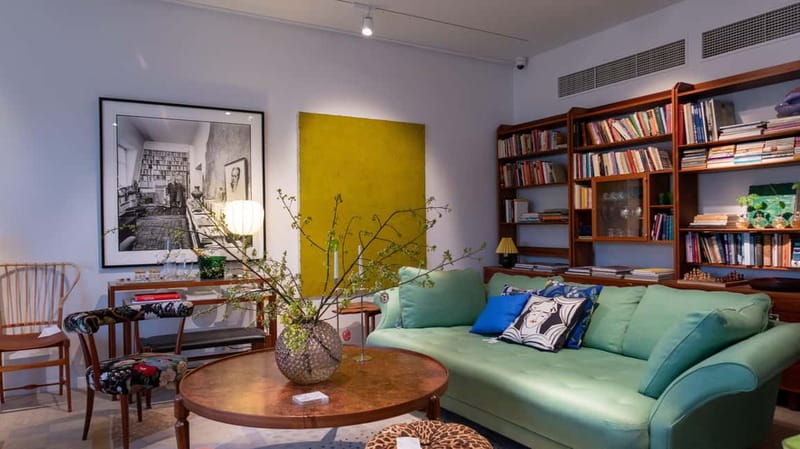
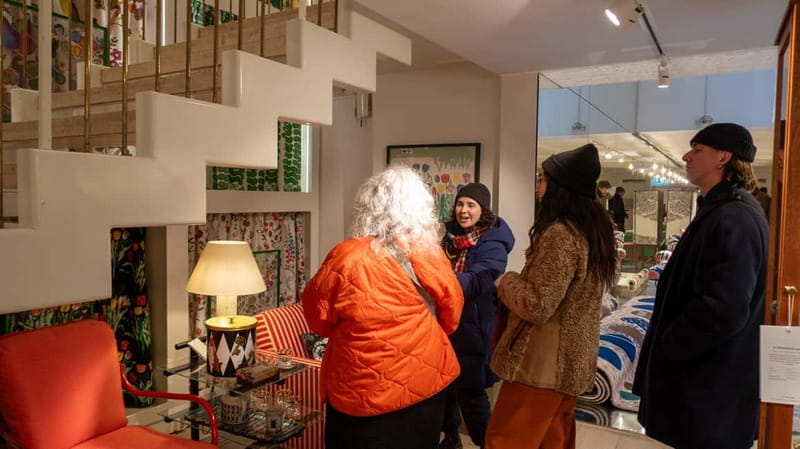
Two design household-name shops are included, which is a smart move for two reasons. First, it shows you what Swedish design looks like when it is functional. Second, it lets you connect the architectural talk from earlier with real products.
The shops named in the experience include Nordiska Galleriet and Svenskt Tenn. The route also frames the day with references like Scandinavian design culture and iconic brands such as IKEA, plus street-level artistic touches like subway art. You might not spend an equal amount of time on every reference, but the guide’s job is to link them to what you are seeing in the neighborhood.
Practical tip: go into the shops ready to slow down. Spend 3 minutes on a single object, like a lighting fixture, tableware, textiles, or a design accessory. Then compare what you notice to the design themes the guide mentioned outside. That is where the tour becomes more than a walk, it becomes a way of training your eye.
What the guide experience is really like (based on how past tours are described)
A consistent theme is how friendly, accessible, and question-friendly the guide experience can be. People have praised guides like Olesia for being kind and the right kind of present, and Franky for explaining Swedish art, design, and architecture clearly.
One practical comfort: the tour runs in English, and there have been situations where a guide planned for another language was replaced, with English still handled well. The point for you is simple: you are not stuck with a language barrier if your tour start needs a switch.
There is also a realistic note worth considering: the topics are broad, from architecture to art to design. With a compact schedule, two hours might feel like an appetizer. The 3-hour format is a better fit if you want more time to connect the dots, not just skim the highlights.
Price and value, what you really get for $66
At $66 per person for 3 hours, this tour prices in the middle for a guided small-group city experience. It is not just a walk with a map. You get:
- a local expert guide focused on art history, architecture, and Swedish design
- visits to two design stores
- a guided stop at Östermalmshallen, including local snacks and a food market visit
- a visit connected to the National Museum sculpture garden
- extra convenience with skip-the-line access using a separate entrance
That combination is the value. If you tried to do this on your own, you would spend time hunting for the right interiors, paying separately for any museum components, and possibly wasting time guessing which shops are worth your attention. Here, the structure keeps your time efficient, while still giving you enough stops to understand the neighborhood’s design identity.
If you are the kind of traveler who likes to see just enough in each place, and then ask follow-up questions, this price feels fair. If you want maximum time in shops and museums, you may feel the limits of 3 hours.
Who this tour is best for, and who might want something else
You will probably love this if:
- you enjoy architecture details and want help reading them
- you like Swedish design culture and want shop time built into the plan
- you want the mix of outdoor landmarks and interior stops
- you prefer small groups where questions are welcome
You might want a longer or more museum-heavy option if:
- you need lots of unstructured free time to browse
- you expect a deep museum stay rather than a guided highlights approach
- you do not like walking and photo-stop pacing
Also, this is a great fit for first-timers to Stockholm who want a shortcut to understanding what makes the city feel distinct.
What to bring, and how to avoid small annoyances
This tour is weather-dependent, like most Stockholm days. Bring comfortable shoes first. Then plan for changing conditions: umbrella, rain gear, sunglasses, and sunscreen, plus a sun hat if you have one.
Other helpful items:
- a charged smartphone for photos (video recording is not allowed)
- a reusable water bottle
- personal medication, since you should not rely on finding everything on the route
Know the rules before you go. Flash photography is not allowed. Tripods are not allowed. Video recording is not allowed. Alcohol and drugs are not allowed. Also skip sandals or flip flops, and leave luggage or large bags at home.
That all sounds strict, but it usually makes the tour smoother for everyone, and it helps keep indoor spaces respectful.
Should you book the Stockholm Scandinavian Architecture and Design Östermalm Tour?
Yes, if your goal is a design-smart overview of Stockholm that includes real stops, not just viewpoints. The mix of Östermalmshallen, Swedish design store visits, and a strong National Museum ending gives you a well-rounded taste of what the city is about, in a compact 3-hour format.
Skip it only if you want long museum time or you dislike a route with frequent photo stops. If you like the idea of connecting streets, buildings, and objects into one story, this is a solid use of your day.
And one final practical note: arrive on time at Svampen and wear comfortable shoes. Stockholm will reward you for moving well and looking closely.
FAQ
How long is the Stockholm Scandinavian Architecture & Design Östermalm Tour?
The tour duration is 3 hours.
Where do I meet the guide?
You meet under the raincover at Svampen, the mushroom-looking landmark. Arrive 5 to 10 minutes early and look for the guide with a neon name tag lanyard.
What is included in the tour price?
The tour includes a local expert guide on art history, architecture, and Swedish design. It also includes visits to two design shops, Östermalmshallen food market hall, and the National Museum sculpture garden.
How large is the group?
The group is small, limited to 10 participants.
Is the tour wheelchair accessible?
Yes, the tour is wheelchair accessible.
What should I bring?
Bring comfortable shoes, sunglasses, sun hat, umbrella, sunscreen, rain gear, weather-appropriate clothing, a charged smartphone, personal medication, and a reusable water bottle.
What is the cancellation policy?
There is free cancellation up to 24 hours in advance for a full refund.
Design, Art And Clean Lines





Beyond The Tourist Spine




Stockholm, A Few More Ways





Other Swedish trips from the review pile
- ROYAL Castle Skokloster and Viking Sigtuna (private tour)
★ 4.5 · 3 reviews - Stockholm Port to Stockholm Arlanda Airport (ARN) – Departure Private Transfer
★ 3.5 · 3 reviews - Stockholm Ghost Hunt: Self-Guided Tour and Puzzle Adventure
★ 4.5 · 3 reviews - Private Photography workshop in Stockholm
★ 5.0 · 3 reviews - Private blood, ghosts and folklore Old Town 2h Stockholm tour
★ 4.0 · 3 reviews - Ghosts of Stockholm: A Guided Tour of Horror and Dark Folklore
★ 4.5 · 3 reviews
Södermalm & Stockholm Neighbourhoods, compared.
 ★ 4.0Södermalm: 2-Hour Sightseeing TourFrom $4446 reviews
 ★ 4.6Södermalm E-Bike TourFrom $7428 reviews
 ★ 3.5The Södermalm Tour in StockholmFrom $437 reviews
 ★ 5.0Stockholm Private Tour with a Local: Hip & Bohemian Sodermalm 3hrFrom $1296 reviews
★ 4.5Stockholm Södermalm E Bike TourFrom $786 reviews
★ 5.0Stockholm Private Tour with a Local: Hip & Bohemian Sodermalm 3hrFrom $1296 reviews
★ 4.5Stockholm Södermalm E Bike TourFrom $786 reviews
Browse the lists this tour appears in