
REVIEW · UPPSALA
Uppsala bloody history 1h- racial biology, 18th century plague, 19th century prostitution etc.
There’s something unsettling about seeing cruelty and fear embedded in everyday streets. This tour traces Uppsala’s bloody history through real neighborhoods and landmark buildings, with topics like the 18th-century plague, 19th-century prostitution, and the state-backed science that turned human bodies into evidence.
I especially like how the guide frames hard subjects in a clear, street-level way, not as spooky theater. I also love the balance that shows up as you move, with the tour hinting at the ordinary life hiding right next to the worst chapters.
One drawback to consider: this is not a gentle city stroll. You’ll hear about forced sterilizations and how people were treated as less-than, so it can feel heavy if you are not in the mood for history’s ugly side.
In This Review
- Key points at a glance
- Why this tour feels real, not just “dark history”
- Timing, meeting points, and how the walk works
- The route you’ll walk: plague streets, poor neighborhoods, and red-light Uppsala
- Svartbäcksgatan and the 1709 to 1712 plague, poverty in plain sight
- The Linnéträdgården area and Uppsala’s 19th-century red-light streets
- Gustavianum University Museum: racial biology, anatomical rules, and forced sterilizations
- Inside the museum story: slave trade context and how “science” got weaponized
- Uppsala Domkyrka and the cathedral-area story of persecution
- The guide element: clarity, tone, and Q and A
- Price and value: $36.58 for 1 hour, plus Gustavianum admission
- Who should book this tour, and who should skip it
- Should you book Uppsala’s Bloody History?
- FAQ
- FAQ
- How long is the Uppsala’s Bloody History tour?
- What is the price per person?
- Where do I meet the guide?
- Where does the tour end?
- What time does the tour start?
- Is the museum ticket included?
- Are some parts of the tour free admission?
- What topics are covered during the tour?
- How big is the group?
- Is there free cancellation?
Key points at a glance
- A focused 1-hour route with a small group size of up to 20 people
- Plague, poverty, and the 19th-century red-light district in the same walking loop
- Gustavianum museum time on anatomy, racial biology, and rules for who could end up dissected
- Cathedral-area stories on persecution of dissent and atheists
- Mobile ticket and easy start and finish points in central Uppsala
Still shortlisting? These are other Swedish tours we sat down and reviewed.
- Stockholm Viking History Full Day Tour to Sigtuna + Uppsala★ 4.6 · 218 reviews
- Cube of Art Uppsala Museum of Interactive Art★ 4.5 · 69 reviews
- Roofwalking on the worlds greatest pink castle!★ 5.0 · 15 reviews
- Uppsala: City Highlights and Hidden Gems Walking Tour★ 4.7 · 12 reviews
Why this tour feels real, not just “dark history”
Uppsala is one of those cities where the past is hard to avoid. The cathedral, university buildings, and older street patterns make it easy to see why these stories landed where they did.
This tour leans into that. You’re not stuck inside a classroom. You’re outside, looking at the kind of streets where poverty, illness, and social control would have been part of daily life.
And that matters, because “dark history” can turn into vague doom if it stays abstract. Here, it’s tied to specific places like Svartbäcksgatan and the cathedral area, so the ideas feel anchored in real life.
Timing, meeting points, and how the walk works
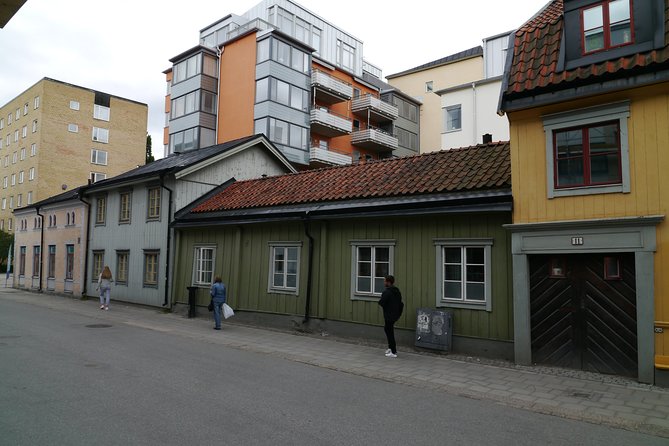
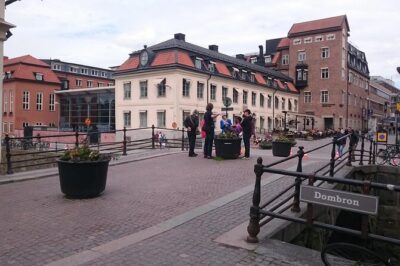
The tour runs about 1 hour and starts at 3:00 pm. You meet at Riddartorget near Knights’ Square (Biskopsgatan) and finish near Uppsala City Library on Svartbäcksgatan.
You’ll get a mobile ticket, which keeps things simple. There’s also a small max group size of 20 people, which helps the guide keep things moving and answer questions without the whole group turning into one loud blob.
You should plan for steady walking and a bit of uphill cobblestone comfort. The activity calls for moderate physical fitness, so it’s not for people who need fully flat, slow routes.
The route you’ll walk: plague streets, poor neighborhoods, and red-light Uppsala
The tour’s flow is built around a sequence of themes, each tied to a different part of town. You start in the zone around Svartbäcken and Svartbäcksgatan, then move through street areas linked to Uppsala’s 19th-century nightlife, poverty, and illness.
You also pass through the university and cathedral area themes, where the stories shift from social survival to institutions that justified control. You’ll hear about Uppsala’s gallows hill, and the 17th-century slave trade context also comes up as part of the bigger picture.
That structure is a big part of why I think it works. It doesn’t just name crimes. It shows how different kinds of harm were organized, supported, and normalized across time.
Svartbäcksgatan and the 1709 to 1712 plague, poverty in plain sight
One early stop focuses on Svartbäcksgatan and what life looked like in poor Uppsala, especially during the plague years. The span from 1709 to 1712 is specifically mentioned, which helps you hold onto a time frame instead of getting lost in general “old times” talk.
What I like about this stop is the tone. It’s not just about death numbers. It’s about what plague does to housing, health, and how people get blamed when things fall apart.
This part of the tour also stays practical. You are outdoors, and you’re looking at the kind of street layout where crowding, sanitation problems, and fear would have mattered.
Uppsala rewards a slow walk. More of it here
The Linnéträdgården area and Uppsala’s 19th-century red-light streets
After the plague and poverty streets, the tour moves toward the area around Linnéträdgården, where you hear about the 19th-century red-light district. The stories include brothels and alcohol problems, and they also connect those issues to the realities of poor neighborhoods nearby.
This is one of those segments where you can feel the guide trying to treat people like people, not just labels. The point is not shock value. It’s showing how vulnerability and exploitation formed a brutal loop.
A useful consideration here: if you want your history tours clean and tidy, this one is not that. Expect frank discussion of how money, desperation, and social stigma shaped lives.
Gustavianum University Museum: racial biology, anatomical rules, and forced sterilizations
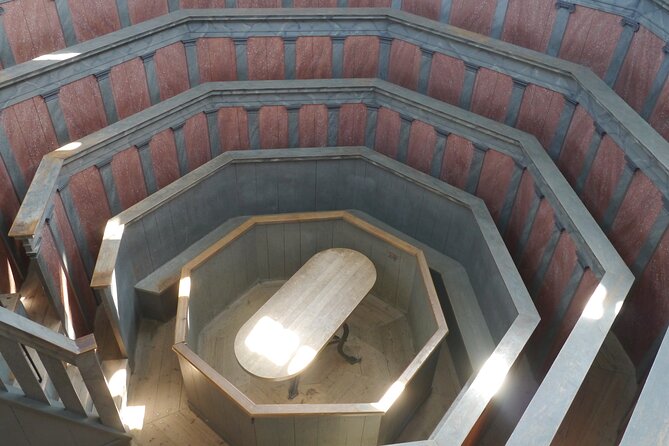
The center of gravity for the tour’s hardest themes is Gustavianum, the Uppsala University museum. This is where the tour shifts from streets into what institutions believed and did.
You’ll hear about the Swedish Institute of Racial Biology and a period stretching from 1920 to 1958. The tour also covers ideas connected to phrenologists and the anatomical institution, including rules about which crimes could end up under the knife.
One detail that sticks is the mention of forced sterilizations in the 1940s. That is a heavy subject, and it’s exactly why I think this museum stop earns its place on the route. It shows how pseudo-science can become policy, not just an ugly thought.
Important practical note: the museum entry is not included. So budget extra for the Gustavianum ticket if you are coming in without one.
Inside the museum story: slave trade context and how “science” got weaponized
The Gustavianum portion also includes context about the slave trade and how anatomical study and early theories of human difference were used to justify harm. The tour connects the 17th-century slave trade theme to the same intellectual machinery that later shaped racial biology thinking.
This can sound like a lot for a short tour, but the museum stop is designed to be fast and clear. You get enough to understand the pattern: measurements and collections were treated as proof, even when the underlying logic was biased or cruel.
If you’re the kind of traveler who likes to ask, this is the moment. You might want to ask how the museum explains the difference between observation and propaganda-like conclusions, and how rules turned into irreversible outcomes.
Uppsala Domkyrka and the cathedral-area story of persecution
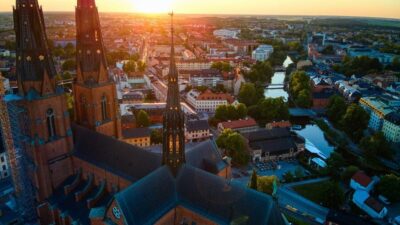
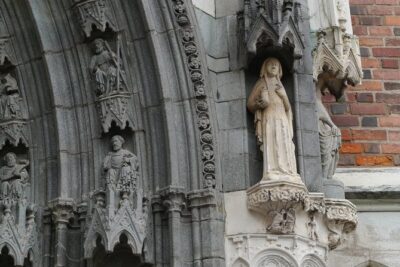
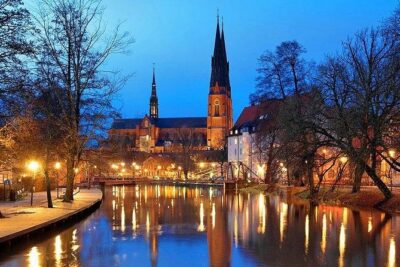
The tour ends with the cathedral area, including Uppsala Domkyrka. Here the theme shifts again to persecution, especially against dissenting Christians and atheists in the 19th century.
I like how this stop keeps the focus on social power. When belief becomes a gatekeeper, it doesn’t stay in sermons. It spills into treatment, punishment, and fear.
The setting matters too. The cathedral is a place most people associate with beauty and continuity, so hearing about persecution in that same space forces you to hold two truths in your head at once.
The guide element: clarity, tone, and Q and A
A good part of the experience is how the guide handles the material. The reviews highlight that the guide answered questions and did it in a way that felt both serious and practical, not preachy or vague.
One guide name that comes through in the feedback is Owe, and another is Jonathan. When a tour team can explain a difficult topic and still keep it understandable, that’s usually where value shows up.
So if you care about making this meaningful, don’t just listen. Bring a question. Ask how the time periods connect. Ask what changed and what stayed the same. Guides can only work with what you bring.
Price and value: $36.58 for 1 hour, plus Gustavianum admission
At $36.58 per person, this is priced like a short, high-impact city walking tour. The duration is only about an hour, so the value depends on whether the museum stop and the guided framing are the point for you.
Most street components have free admission tied to them. Gustavianum is the part marked as not included, so you may need to add the museum ticket on top. Since the tour includes museum content on racial biology and anatomy rules, paying extra there often feels justified if that topic matters to you.
Also, the tour uses a mobile ticket and limits groups to 20 people. Those small logistical choices add up, especially when the material is heavy and you want the guide to keep control of pacing.
Who should book this tour, and who should skip it
This is a strong fit if you want Uppsala beyond postcards. You like tours that treat history as something that shaped daily life, from plague survival to exploitation, to institutional cruelty.
It’s also a fit if you like walking tours that are short but themed. In one hour, you get street context plus a museum stop, and you’re not stuck all afternoon.
Skip it if you prefer light, purely architectural sightseeing. This one focuses on harm, persecution, and forced medical practices. Even with a balanced tone, the subject matter is intense.
Should you book Uppsala’s Bloody History?
I’d book it if you’re curious about how ideas, laws, and institutions turned into real-world suffering, and you want that explained in context using Uppsala’s actual streets and buildings. It’s also a good choice if you like guides who can handle hard questions clearly, not just recite dates.
I would not book it if you want a soothing tour, or if heavy topics are likely to ruin your afternoon. If you do book, plan your day so you have time to decompress after the museum stop.
FAQ
FAQ
How long is the Uppsala’s Bloody History tour?
It lasts about 1 hour.
What is the price per person?
The price is $36.58 per person.
Where do I meet the guide?
You start at Riddartorget (Knights’ Square), Biskopsgatan, 753 10 Uppsala.
Where does the tour end?
The tour ends at the City Library in Uppsala, Svartbäcksgatan 17, 753 75 Uppsala.
What time does the tour start?
The start time listed is 3:00 pm.
Is the museum ticket included?
No. Gustavianum admission is not included.
Are some parts of the tour free admission?
Yes. Svartbäcksgatan and Uppsala Domkyrka are listed as free admission.
What topics are covered during the tour?
The tour covers themes like the 17th-century slave trade, Uppsala’s gallows hill, the 18th-century plague, 19th-century prostitution and red-light district areas, and the Swedish Institute of Racial Biology era and related anatomical rules, including forced sterilizations in the 1940s.
How big is the group?
The tour has a maximum of 20 travelers.
Is there free cancellation?
Yes, there is free cancellation if you cancel up to 24 hours in advance for a full refund. If you cancel less than 24 hours before, you will not receive a refund.
Reviewed Across Sweden




More Of Uppsala
Other Swedish trips from the review pile
- Uppsala’s biggest attractions – 1h city walk in Uppsala city.
★ 4.5 · 3 reviews - Adventure parc
★ 4.5 · 3 reviews - Uppsala Must See 2h city walk – 2h tour of all big attractions!
★ 5.0 · 4 reviews - Uppsala bloody history 1h- racial biology, 18th century plague, 19th century prostitution etc.
★ 5.0 · 4 reviews - Guided tour 90min at Old Uppsala mounds and old Uppsala church
★ 4.5 · 5 reviews - Uppsala: City Highlights and Hidden Gems Walking Tour
★ 4.7 · 12 reviews
Uppsala City & Cathedral Tours, compared.
 ★ 4.5Viking History, Runes & Countryside 9h Tour to Sigtuna & UppsalaFrom $298283 reviews
 ★ 4.6Stockholm Viking History Full Day Tour to Sigtuna + UppsalaFrom $266218 reviews
 ★ 4.5Viking History and Swedish Countryside Tour to Sigtuna & UppsalaFrom $274162 reviews
 ★ 4.7From Stockholm: Uppsala and Sigtuna Viking Sites TourFrom $235157 reviews
 ★ 4.5Cube of Art Uppsala Museum of Interactive ArtFrom $2169 reviews
 ★ 5.0Private Full Day Viking History Tour from Stockholm Including Sigtuna and UppsalaFrom $67251 reviews
 ★ 4.7Sigtuna and Uppsala Viking History Day TourFrom $25541 reviews
 ★ 3.5Day-Trip- to-UppsalaFrom $24919 reviews
Browse the lists this tour appears in