
REVIEW · UPPSALA
Uppsala: City Highlights and Hidden Gems Walking Tour
Uppsala feels like Sweden before Sweden. That is the fun of this walking tour, you see how Uppsala’s past predates Stockholm and sets the tone for Swedish identity, with Uppsala Cathedral and Viking-era stories guiding every step, plus a stop at the Botanical Gardens where Carl Linnaeus spent time. I also like how the guide ties the big themes together, from early kings to Viking daily life, with an archaeological scale that includes about 30,000 rune stones. One consideration, it is 2.5 hours on foot, so plan for walking time and bring truly comfortable shoes if your stamina is limited.
This tour runs as an English private group, starting right at Uppsala C where you meet your guide outside the main exit near the fountain roundabout. I like the low-stress setup, the guide from XperienceSthlm wears an orange name tag and an orange hat, so you can spot them quickly, even if you are running on travel-day coffee.
In This Review
- Key things to know before you go
- Why Uppsala’s story beats Stockholm’s timeline
- Finding your guide at Uppsala C and getting your bearings fast
- Uppsala Cathedral, where old Sweden starts to feel real
- Rune-stone scale and Viking-era clues you can actually picture
- Botanical Gardens with Carl Linnaeus and taxonomy vibes
- A quick break in the Uppsala food market and student-life scenery
- Uppsala University, one of the world’s oldest institutions in motion
- Uppsala Castle, the pink military story you can see
- Price and what $142 really buys you in Uppsala
- Who should book this walk, and who should skip it
- Should you book this Uppsala highlights walking tour?
- FAQ
- Where do I meet the guide?
- How long is the walking tour?
- Is this a private tour?
- What language is the guide?
- What is included in the price?
- What should I bring?
- Can I cancel if my plans change?
- Is it suitable for everyone?
- Are there any restrictions on the tour?
Key things to know before you go
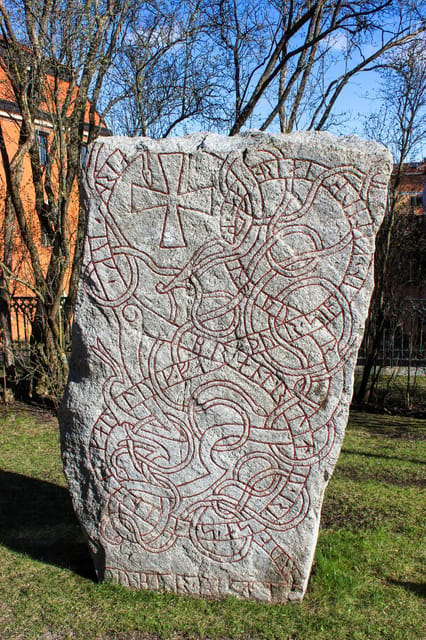
- 30,000 rune stones in context: you get the scale of the Viking world, not just dates on a page
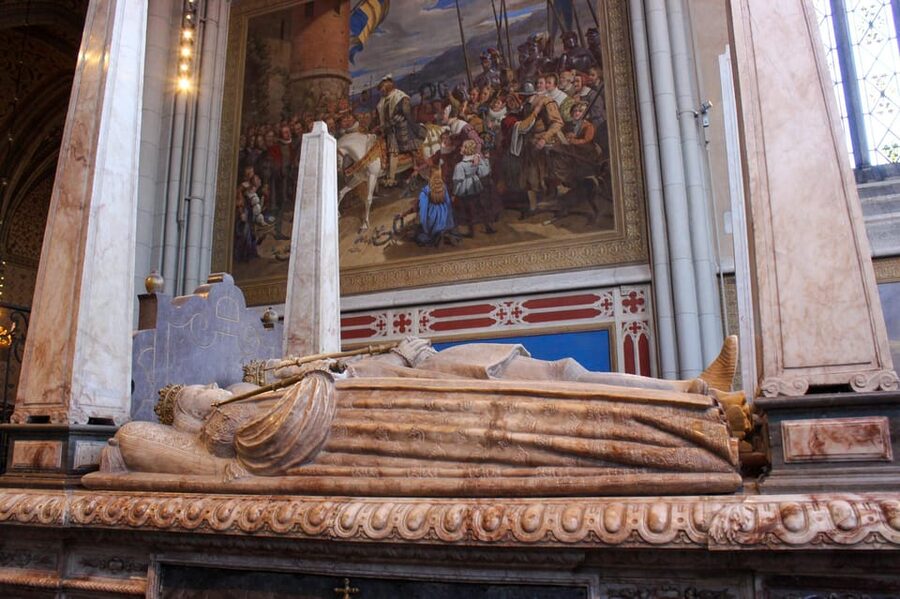
- Uppsala Cathedral first: you start with one of Sweden’s oldest and most beautiful cathedrals, then everything else makes more sense
- Linnaeus in the gardens: the Botanical Gardens connect directly to taxonomy and species classification
- Student life along canals: you see how Uppsala’s university culture shapes everyday streets and viewpoints
- A pink castle with military history: Uppsala Castle is famously pink, and the story behind it is practical, not just postcard stuff
Uppsala rewards a slow walk. More of it here
- Stockholm Viking History Full Day Tour to Sigtuna + Uppsala★ 4.6 · 218 reviews
- Cube of Art Uppsala Museum of Interactive Art★ 4.5 · 69 reviews
- Uppsala: City Highlights and Hidden Gems Walking Tour★ 4.7 · 12 reviews
- Guided tour 90min at Old Uppsala mounds and old Uppsala church★ 4.5 · 5 reviews
Why Uppsala’s story beats Stockholm’s timeline
If Stockholm feels like Sweden’s polished front window, Uppsala is the older house you keep passing on the way to someplace else. This tour leans into that idea quickly, explaining how Uppsala is often called the true birthplace of the Swedish nation, with a history that reaches back into Viking times.
What I like most is that the guide does not treat the past like a museum diorama. You hear how Vikings lived day to day through stories connected to the enormous archaeological record, including the finding of about 30,000 rune stones. That kind of detail changes the mood. Instead of thinking Vikings were only raiders and legends, you start imagining everyday routines, beliefs, and social life.
And if you are the kind of traveler who enjoys connecting locations instead of collecting stamps, you will probably love how the tour links threads: early monarchy, early education, and how power played out in places you can literally point at on the map.
Finding your guide at Uppsala C and getting your bearings fast
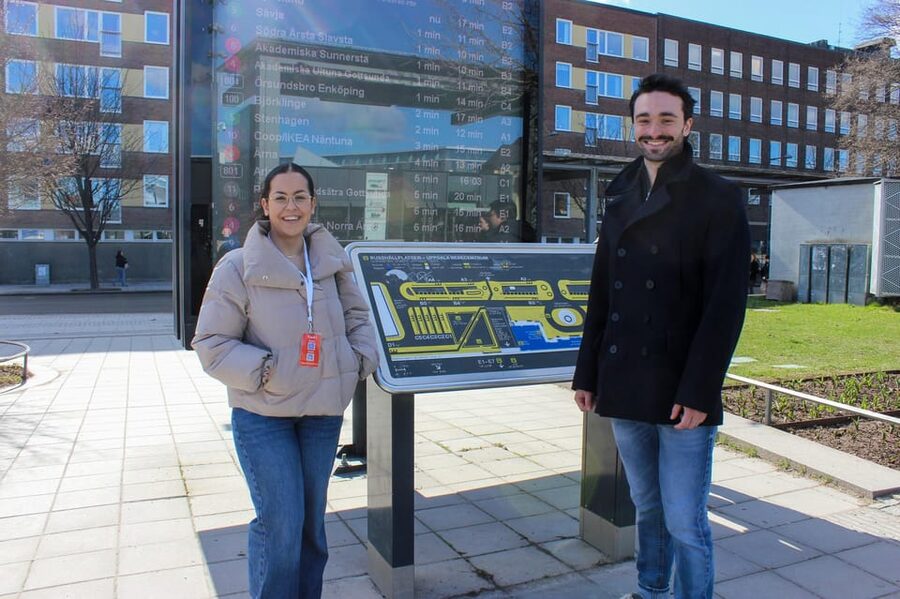
The meeting point is simple, but do arrive a little early. You meet your guide directly outside Uppsala train station’s main exit, at the fountain roundabout in front of the B2 bus stop. The guide waits near the park benches close to the bus stops, in front of the station’s parking lot.
Two small details matter here. First, the guide is wearing an orange name tag and an orange hat that says Xperience Stockholm, so you should not have to play guessing games. Second, plan to show up 5 to 10 minutes before the activity begins, since private groups tend to start promptly.
Practical tip for the walk itself: charge your smartphone and keep it ready for photos and reference. This is not just a “look at buildings” stroll. You are moving between viewpoints, and you will want your battery for quick photo stops and quick recall later.
Uppsala Cathedral, where old Sweden starts to feel real
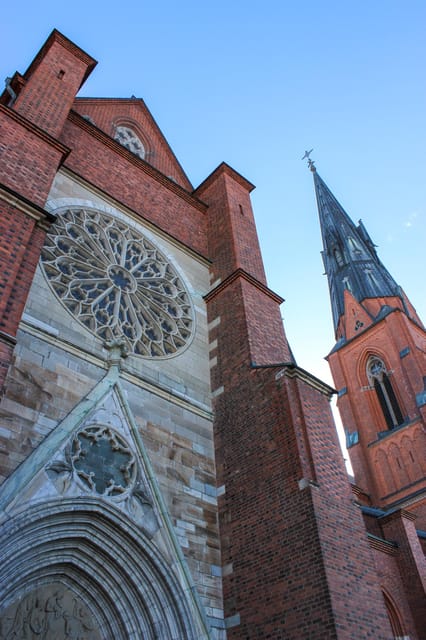
Uppsala Cathedral is the anchor stop, and it earns that role. The tour has you arrive, pause for photos, and then spend time visiting with guided context. You will get entry to the cathedral as a donation-based site, meaning you should expect the visit to work on the idea of an offering rather than a fixed ticket price.
Why this stop is worth your time: cathedrals like this do not just represent religion. They represent the long timeline of authority, architecture, and cultural identity. Once you see it, the rest of Uppsala’s story becomes easier to follow, because you understand what kinds of institutions mattered and why.
Also, this is one of those places where your senses help. Even if you are not deeply into churches, you are in an old structure that has survived centuries of change, and the guide’s stories help you read the building as part of national identity. Expect a calm, respectful pace, and give yourself time to look up.
Potential drawback: if you dislike indoor visits or prefer only outdoor photos, this is still a meaningful part of the tour, so make peace with a short cathedral visit rather than trying to rush through.
Rune-stone scale and Viking-era clues you can actually picture
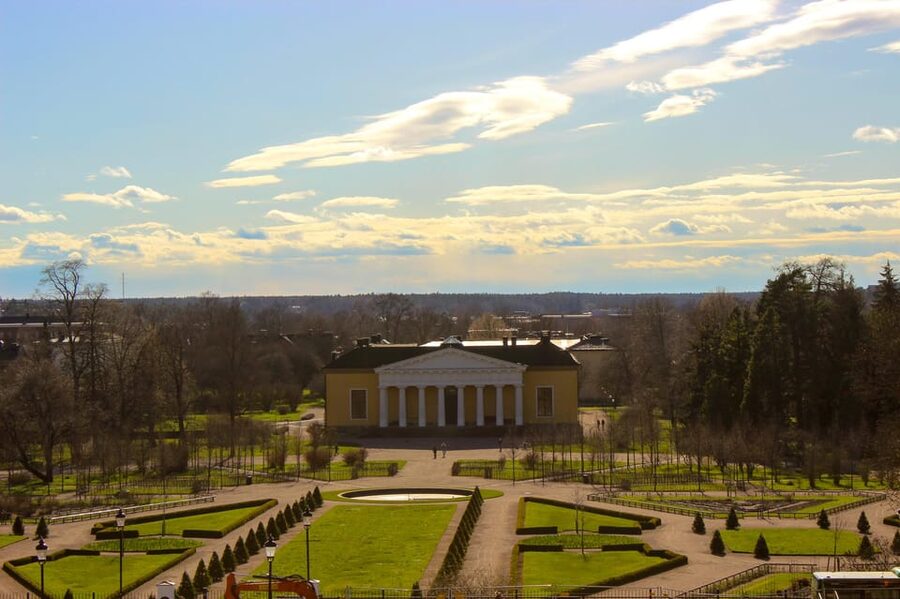
After the cathedral, the tour shifts into “how did people live?” mode. You stop briefly for a photo and guided walk time, with a focus on Viking heritage and the scale of evidence found in the region.
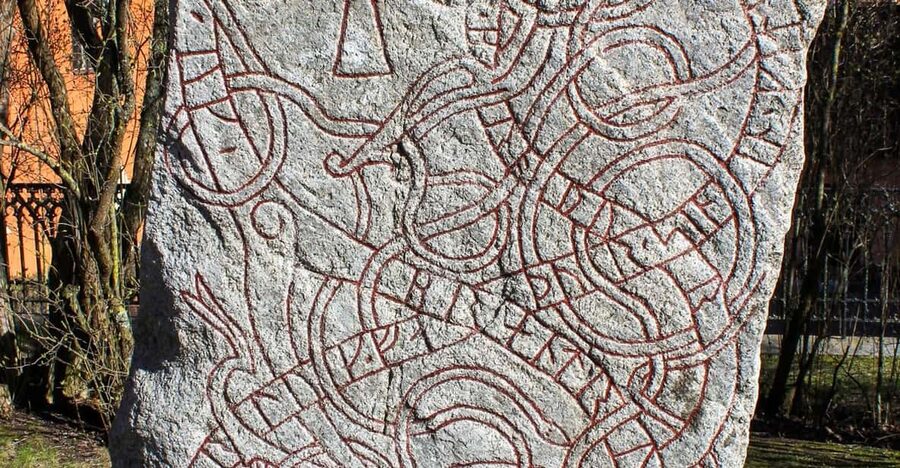
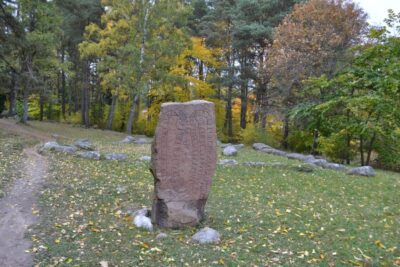
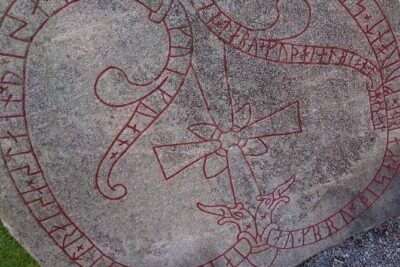
The standout detail here is the about 30,000 rune stones finding, which the guide uses to explain daily life, not just Viking myths. Rune stones can be easy to treat as vague artifacts. In this tour format, you learn what that volume of inscriptions can suggest about communities, communication, memory, and social identity.
Here is the practical value: it helps you stop thinking of Vikings as a single story. Instead, you start seeing them as neighbors with beliefs, family connections, and ordinary routines. That changes how you interpret everything you see next, including university culture and monuments tied to power.
If you prefer history that is story-driven rather than lecture-driven, this is the section where that approach tends to work best. The tour takes complex archaeology and makes it feel like a human-scale story.
More Swedish streets covered on foot
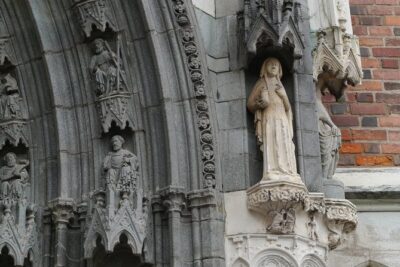
Botanical Gardens with Carl Linnaeus and taxonomy vibes
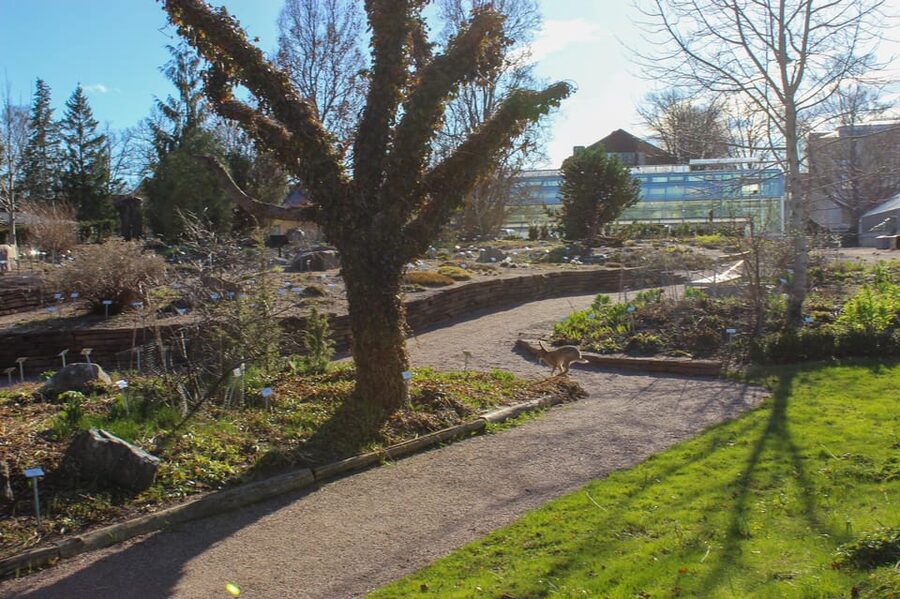
Then you move into the Botanical Gardens, and this is where the tour gets gentler and more scenic. Botanical Garden entry to the grounds is included, so you are not stuck doing extra ticket math mid-walk.
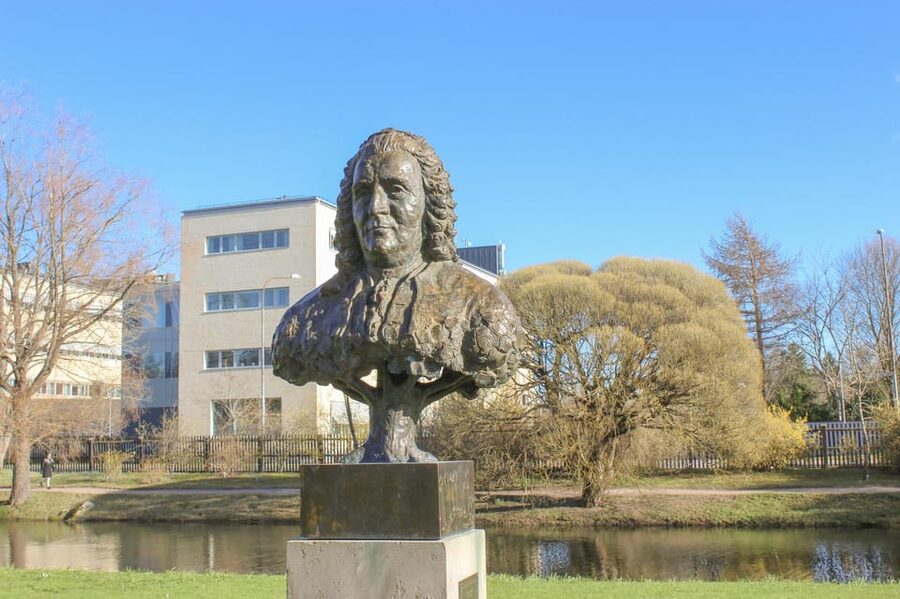
This stop is special because it links a real name to a real place. Carl Linnaeus, often described as the father of taxonomy, spent time here studying and practicing. You will hear how his work helped classify species, and the guide makes the connection between that scientific mindset and the garden setting.
What you will probably enjoy most is the mix of beauty and explanation. This is not just a stroll through pretty paths. The guide points you toward how people learned from nature, and why a garden setting mattered for early science.
Practical considerations: bring sunglasses and sunscreen, since the garden can include open areas and bright weather. Also wear shoes you can trust on garden paths, because the pace is leisurely but you are still walking.
A quick break in the Uppsala food market and student-life scenery
After the gardens, the tour schedules a break time with a food market visit. This is your chance to reset, grab a small bite, and watch locals move through the day.
I like breaks like this because they keep the tour enjoyable. If you skip the food market stop, you might still be fine, but this one is useful for two reasons. One, you can refuel without needing to plan a separate detour. Two, the market and nearby street life show you a different side of Uppsala than monuments do.
From there, you walk again with a focus on Swedish student life. Uppsala’s canals and everyday streets make it easy to see how a university town is lived in, not just studied in. You are not only hearing facts about education. You are seeing the setting that keeps young people, ideas, and routines moving.
One tip: even though food and drinks are not included, it helps to bring a budget for a small snack. Keep it light so you stay comfortable for the next stops.
Uppsala University, one of the world’s oldest institutions in motion
The university area is a key part of the tour, and you get time for a photo stop, visit, guided context, and a walking look around the surrounding viewpoints. Uppsala University is presented as one of the world’s oldest, and the guide helps you understand why that matters.
This is not a “sit and listen for an hour” situation. The format keeps moving, and the university stories connect back to earlier themes like national identity and the long arc of learning. If you like history that stays relevant to how places feel today, this stop usually clicks.
What I find practical for you: when you see an old university in a real city setting, it stops feeling abstract. You get a sense of how centuries of education can shape street life, architecture, and even the pace at which people move.
Potential drawback: if you are hoping for lots of time inside specific buildings, this tour gives more of a guided exterior-and-context approach within the time limit. It is focused on coverage and flow, not a deep campus-only day.
Uppsala Castle, the pink military story you can see
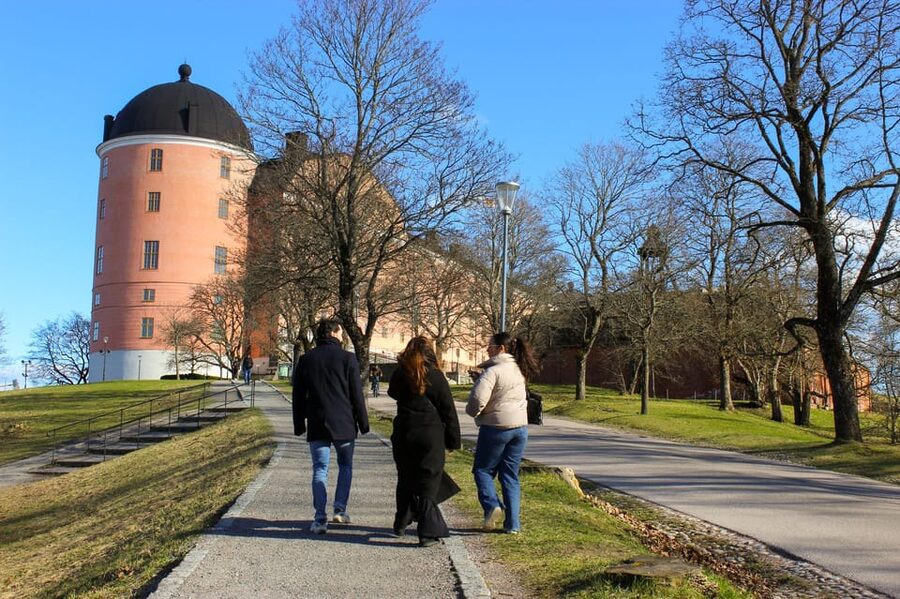
Finally, the tour takes you to Uppsala Castle for photo, guided visit time, and scenic viewpoints on the way. The castle is famous as the world’s largest pink castle, and the guide connects that visual identity to its military history.
Why this stop lands: castles can feel like mere visuals until someone explains what they were built to do. Here, the guided context helps you see the castle as a piece of power, defense, and strategy, not just a colorful landmark.
You will probably appreciate how the tour ends with a sense of scale and consequence. After hearing about monarchy, Viking-era evidence, and long-standing institutions, the castle makes a clean, physical statement about how authority worked on the ground.
If your legs are feeling it by the end, this last stop is still manageable because you are not trying to squeeze in extra detours. It is a fitting finish to a walk that has kept its pace steady.
Price and what $142 really buys you in Uppsala
At $142 per person for about 2.5 hours, the biggest value is not just entry. You are paying for a guided route that packs several anchor sites into one coherent story, including Uppsala Cathedral (donation-based entry) and Botanical Gardens grounds (entry included).
A private group also matters. Even if it is not a large crowd, private walking tours tend to feel more flexible. You can ask questions, and the guide can adjust how you move through each stop.
So is it worth it? If you plan to visit cathedral, gardens, university, and castle anyway, a guided approach saves you the work of stitching the stories together yourself. And if you enjoy connecting people and themes, the guided narrative makes the places feel like a timeline instead of separate photo stops.
If you already know Uppsala well, or you prefer totally self-paced wandering, you might feel the cost more. But for most first-timers who want a smart hit of Uppsala with context, this price is reasonably aligned with what you get.
Who should book this walk, and who should skip it
This tour makes the most sense if you want history with clear places attached. I think it is especially good for:
- First-time visitors who want an efficient route across major Uppsala highlights
- People who like Viking-era stories that connect to real archaeological evidence
- Travelers interested in Carl Linnaeus and early science through the setting of the Botanical Gardens
- Anyone who enjoys university-town atmosphere along canals and everyday streets
It may not be a great fit if you have low fitness, since it is still a walking tour with multiple stops over 2.5 hours. It also is not suitable for people over 95 years. Electric wheelchairs are not allowed, and bikes are not part of the plan.
Should you book this Uppsala highlights walking tour?
I would book it if you want Uppsala to feel like a living story, not a list of buildings. The combination of cathedral, Linnaeus-linked gardens, Viking-era rune-stone context, student-life scenery, and a memorable pink castle gives you a wide slice of what makes this city important.
Skip it if you want a slow, sit-down-only day, or if walking for 2.5 hours is hard for you. Also, if you care mainly about photos and not about explanations, you may not feel the guided value as strongly.
If you like practical guidance and you want Uppsala to click as a timeline, this is a solid way to do it in a half-day.
FAQ
Where do I meet the guide?
Meet your guide directly outside Uppsala train station’s main exit, at the fountain roundabout in front of the B2 bus stop.
How long is the walking tour?
The tour lasts about 2.5 hours.
Is this a private tour?
Yes, it is listed as a private group.
What language is the guide?
The tour is available with an English live tour guide.
What is included in the price?
You get a walking tour, a guide, entry to Uppsala Cathedral (donation-based), and entry to the Botanical Gardens’ grounds.
What should I bring?
Bring comfortable shoes, sunglasses, a sun hat, sunscreen, comfortable clothes, and a charged smartphone.
Can I cancel if my plans change?
Free cancellation is available up to 24 hours in advance for a full refund.
Is it suitable for everyone?
It is not suitable for people with low level of fitness, and it is not suitable for people over 95 years. Electric wheelchairs are not allowed.
Are there any restrictions on the tour?
Yes. Bikes are not allowed, flash photography is not allowed, and alcohol and drugs are not allowed.
Other Swedish Outings We Reviewed


Reviewed Across Sweden


More Of Uppsala
Other Swedish trips from the review pile
- Uppsala’s biggest attractions – 1h city walk in Uppsala city.
★ 4.5 · 3 reviews - Adventure parc
★ 4.5 · 3 reviews - Uppsala Must See 2h city walk – 2h tour of all big attractions!
★ 5.0 · 4 reviews - Uppsala bloody history 1h- racial biology, 18th century plague, 19th century prostitution etc.
★ 5.0 · 4 reviews - Guided tour 90min at Old Uppsala mounds and old Uppsala church
★ 4.5 · 5 reviews - Uppsala: City Highlights and Hidden Gems Walking Tour
★ 4.7 · 12 reviews
Uppsala City & Cathedral Tours, compared.
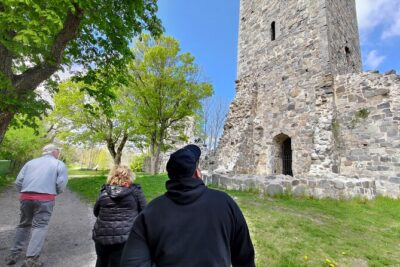 ★ 4.5Viking History, Runes & Countryside 9h Tour to Sigtuna & UppsalaFrom $298283 reviews
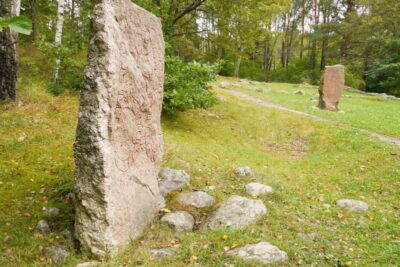 ★ 4.6Stockholm Viking History Full Day Tour to Sigtuna + UppsalaFrom $266218 reviews
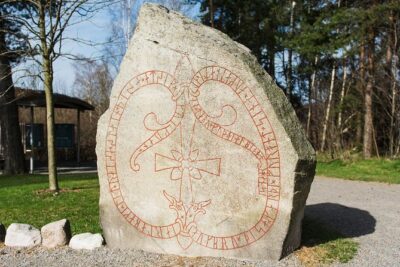 ★ 4.5Viking History and Swedish Countryside Tour to Sigtuna & UppsalaFrom $274162 reviews
 ★ 4.7From Stockholm: Uppsala and Sigtuna Viking Sites TourFrom $235157 reviews
 ★ 4.5Cube of Art Uppsala Museum of Interactive ArtFrom $2169 reviews
 ★ 5.0Private Full Day Viking History Tour from Stockholm Including Sigtuna and UppsalaFrom $67251 reviews
 ★ 4.7Sigtuna and Uppsala Viking History Day TourFrom $25541 reviews
 ★ 3.5Day-Trip- to-UppsalaFrom $24919 reviews
Browse the lists this tour appears in